Language Is Migrant | Veranstaltungen| Bildergalerie
Colomboscope 2022 brought together intergenerational cultural practices from across Sri Lanka, South Asia and varied international contexts fostering global dialogue. The channeling of sonic frequencies, live acts and spaces of reading became elemental instruments that sustained the traffic of creative processes, biographical timekeeping, engaged listening and senses of diasporic belonging.
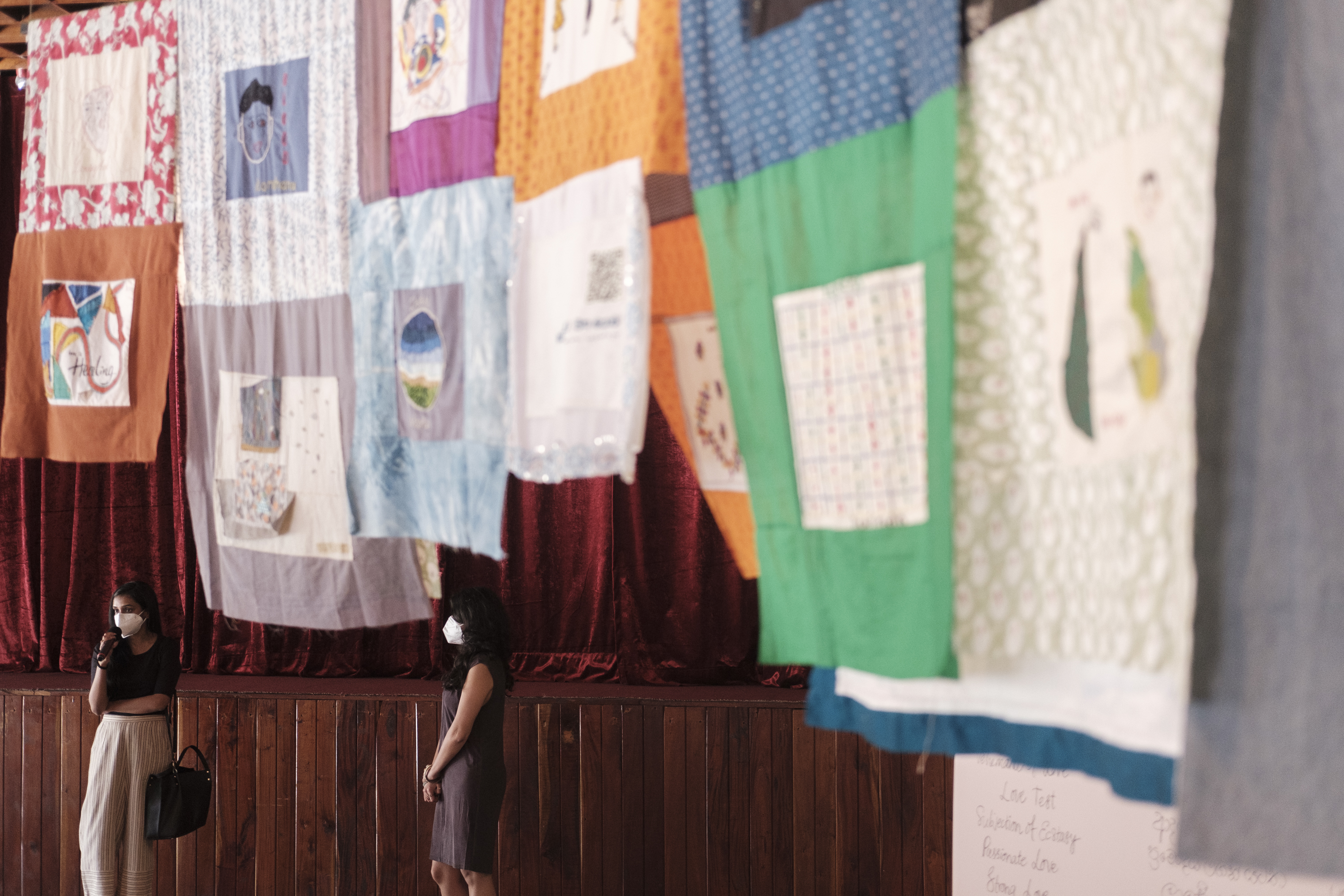
Fridays with Curators | Guided Tours | 21 January
On every Friday during the festival Anushka Rajendran and Natasha Ginwala take visitors on a walk through the exhibition chapters of Language is Migrant at the Colombo Public Library and Rio Complex. Photography: Shehan Obeysekara
© Colomboscope
1/28
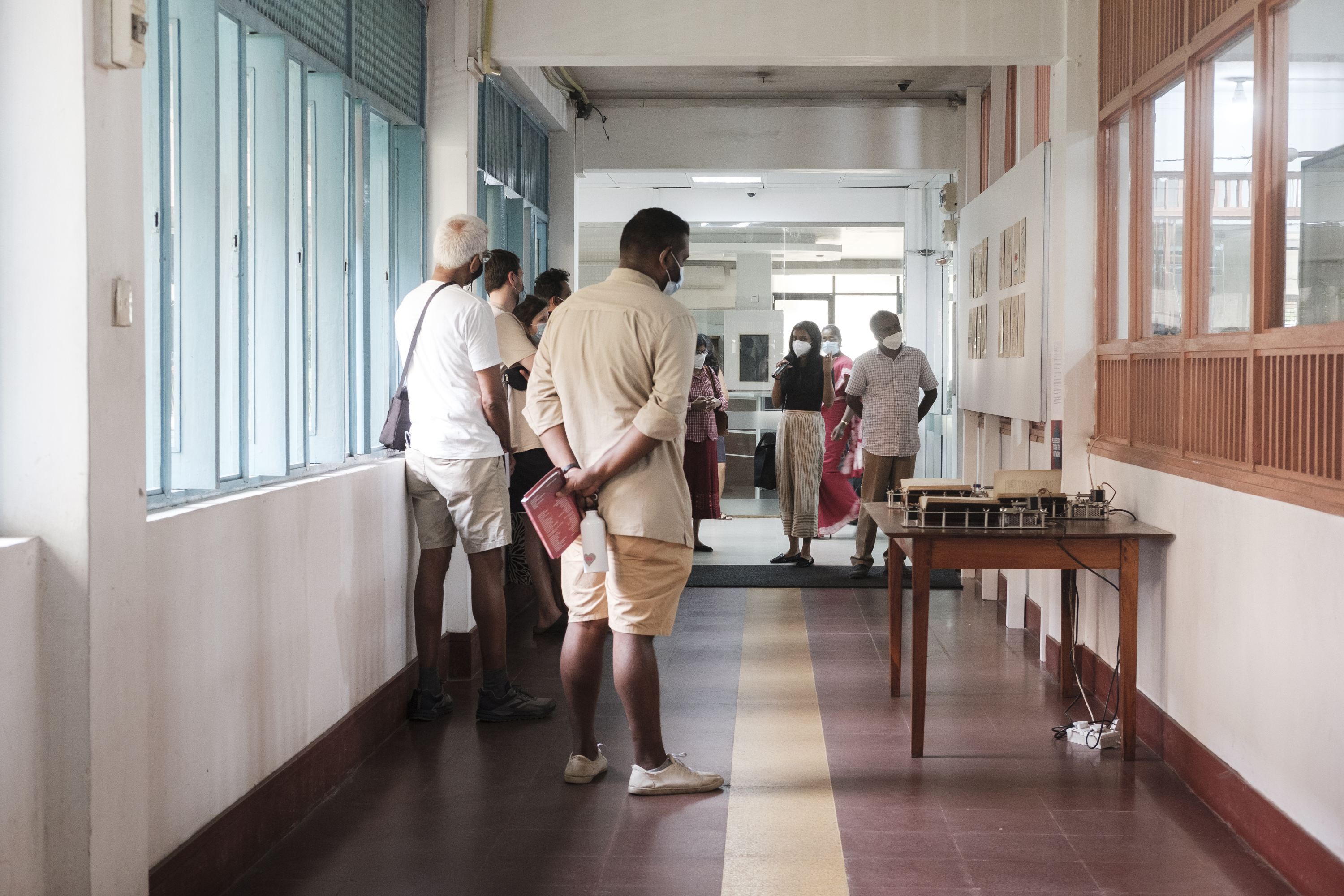
Fridays with Curators | Guided Tours | 21 January
On every Friday during the festival Anushka Rajendran and Natasha Ginwala take visitors on a walk through the exhibition chapters of Language is Migrant at the Colombo Public Library and Rio Complex. Photography: Shehan Obeysekara
© Colomboscope
2/28
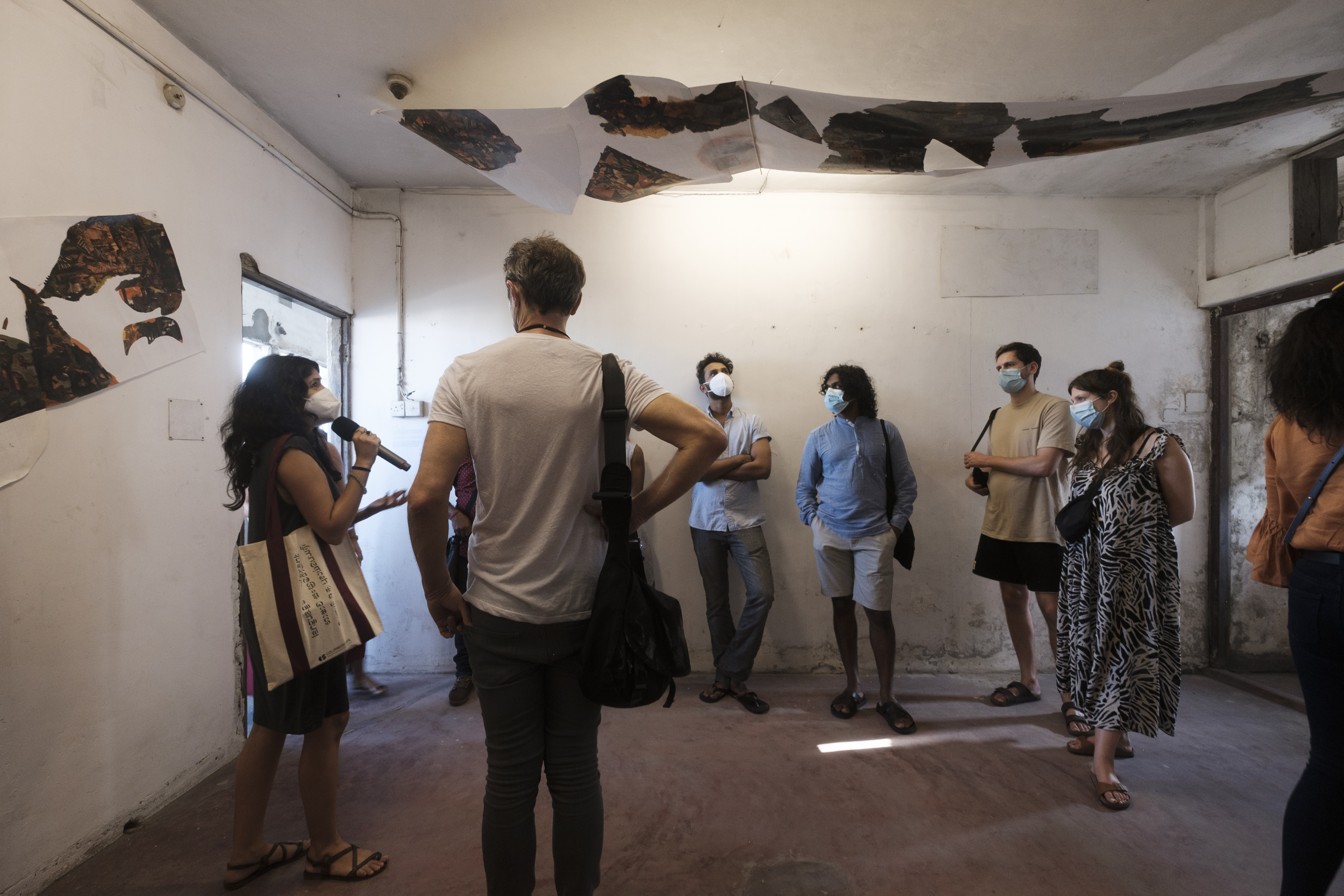
Fridays with Curators | Guided Tours | 21 January
On every Friday during the festival Anushka Rajendran and Natasha Ginwala take visitors on a walk through the exhibition chapters of Language is Migrant at the Colombo Public Library and Rio Complex.
© Colomboscope
3/28
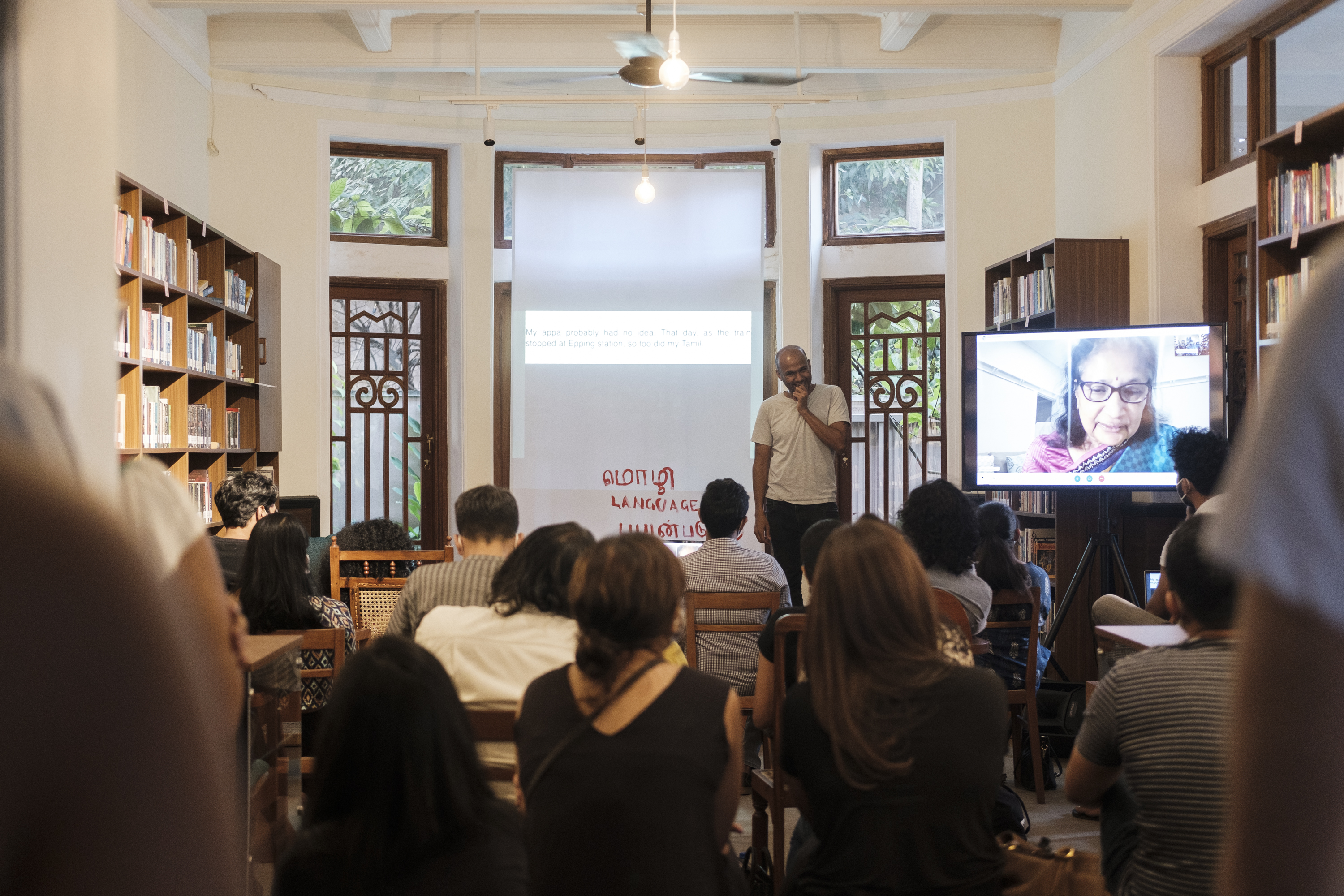
The Tamilization of Ahilan Ratnamohan | Performance | 21 January
Ahilan Ratnamohan, a performance-maker from the Sri Lankan diaspora, has been learning Tamil for the first time in his life over skype conversations with his mother, communicating in their natal tongue for the first time. The resulting performance is an intimate exploration of his diasporic identity and second generation amnesia. Photography: Shehan Obeysekara
© Colomboscope
4/28
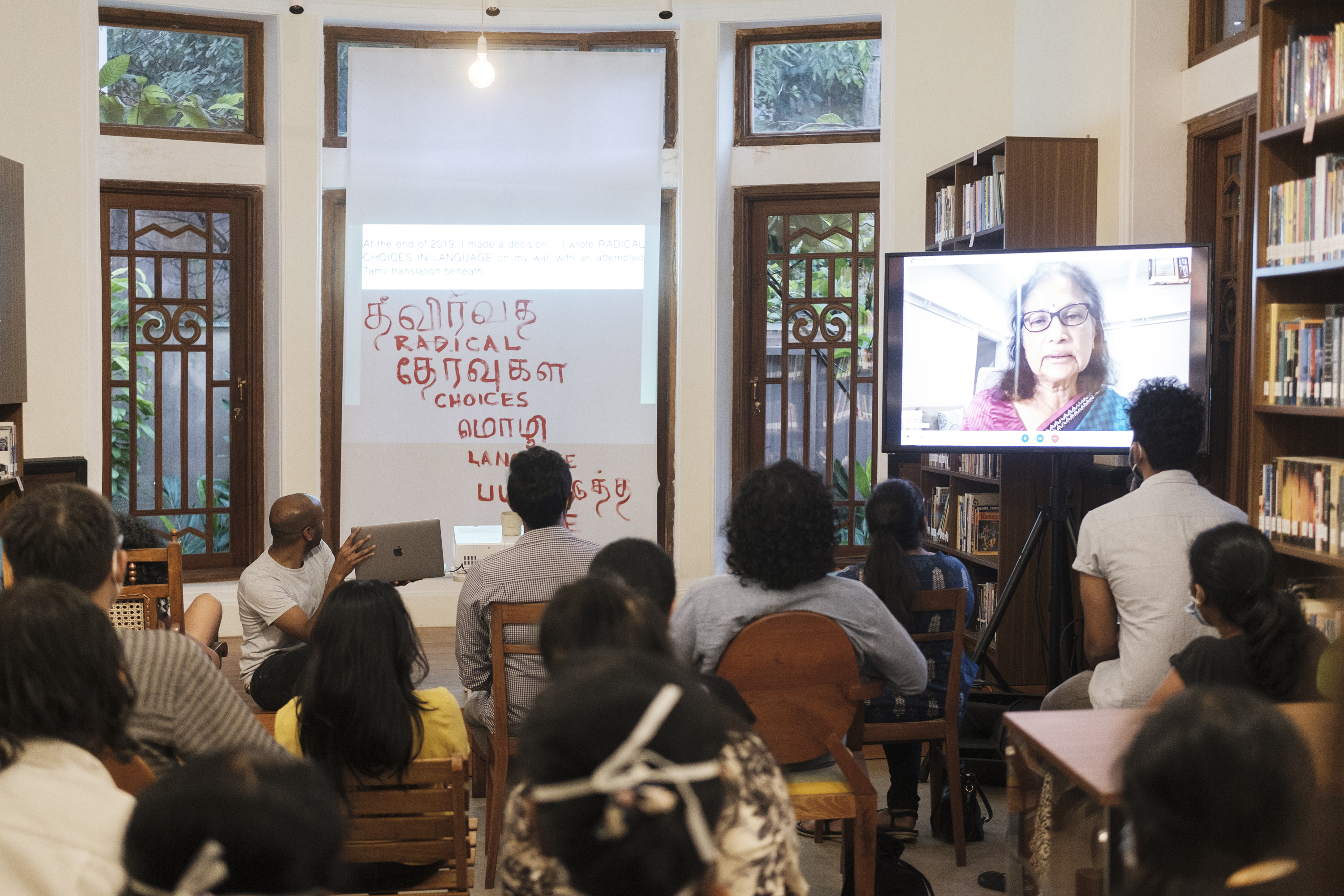
The Tamilization of Ahilan Ratnamohan | Performance | 21 January
Ahilan Ratnamohan, a performance-maker from the Sri Lankan diaspora, has been learning Tamil for the first time in his life over skype conversations with his mother, communicating in their natal tongue for the first time. The resulting performance is an intimate exploration of his diasporic identity and second generation amnesia. Photography: Shehan Obeysekara
© Colomboscope
5/28
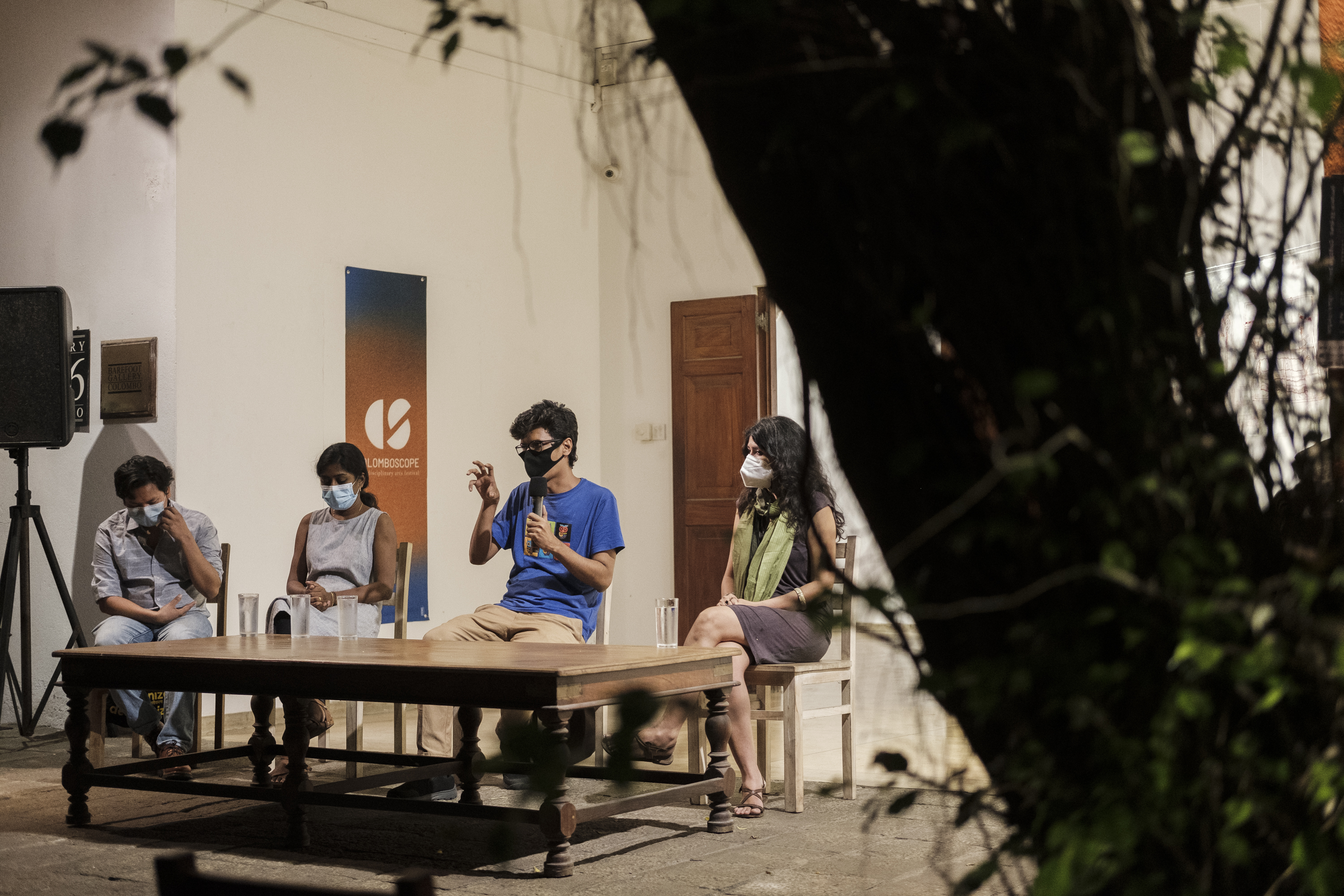
Artist Encounters & Translocal Solidarity | Conversation | 21 January
Artist Encounters is a series of dialogues among artists and cultural organizers who are part of Language is Migrant elaborating on their artistic processes, material research, and infrastructures that have sustained their imaginative substance through these relentless times. The second part of this session stems from the platform Translocal Solidarity Networks set up to develop alliances between socially committed artists and arts initiatives across South Asia engaging in cultural advocacy, collaborative production, and experimental arts models in the region. Photography: Shehan Obeysekara
© Colomboscope
6/28
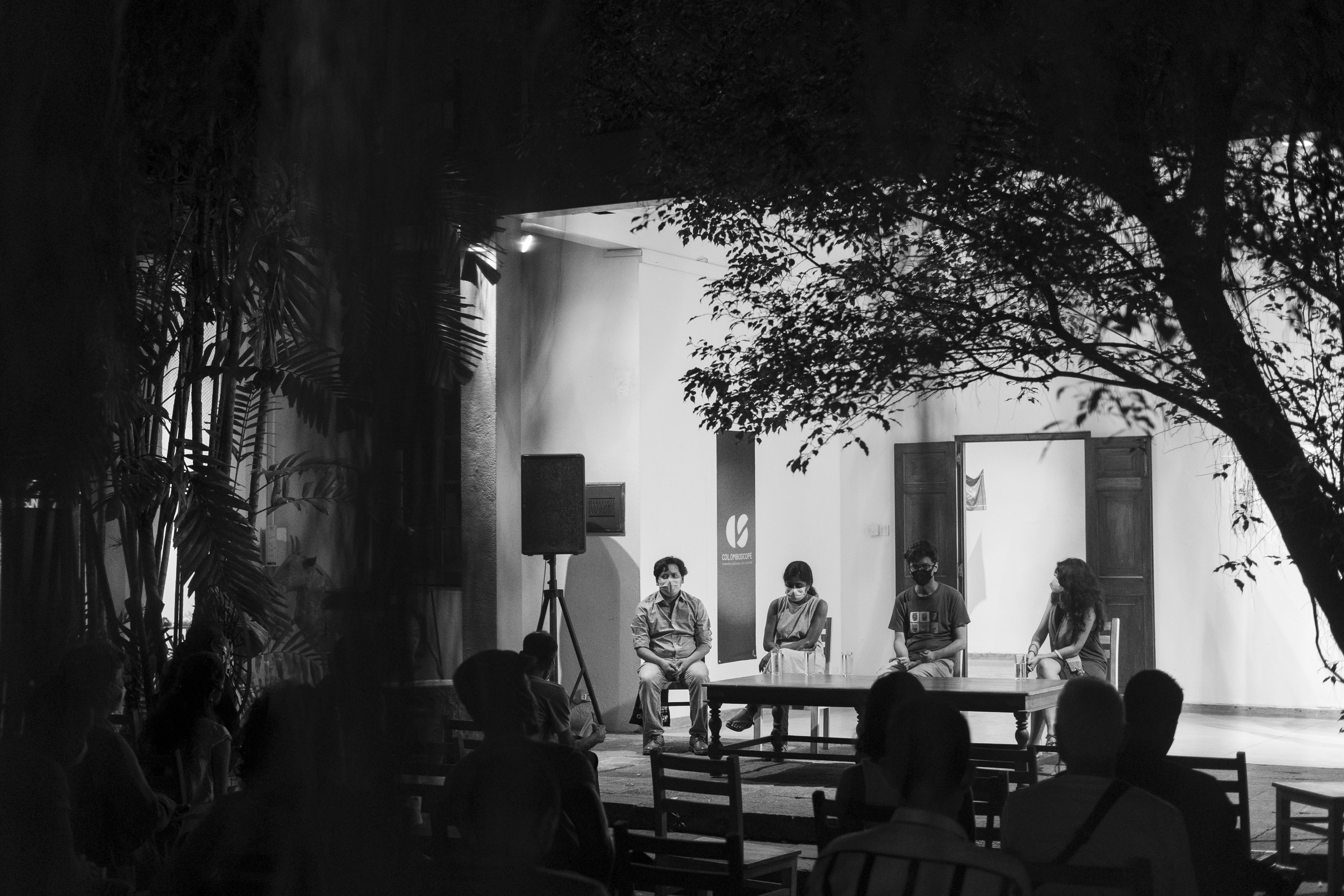
Artist Encounters & Translocal Solidarity | Conversation | 21 January
Artist Encounters is a series of dialogues among artists and cultural organizers who are part of Language is Migrant elaborating on their artistic processes, material research, and infrastructures that have sustained their imaginative substance through these relentless times. The second part of this session stems from the platform Translocal Solidarity Networks set up to develop alliances between socially committed artists and arts initiatives across South Asia engaging in cultural advocacy, collaborative production, and experimental arts models in the region. Photography: Shehan Obeysekara
© Colomboscope
7/28
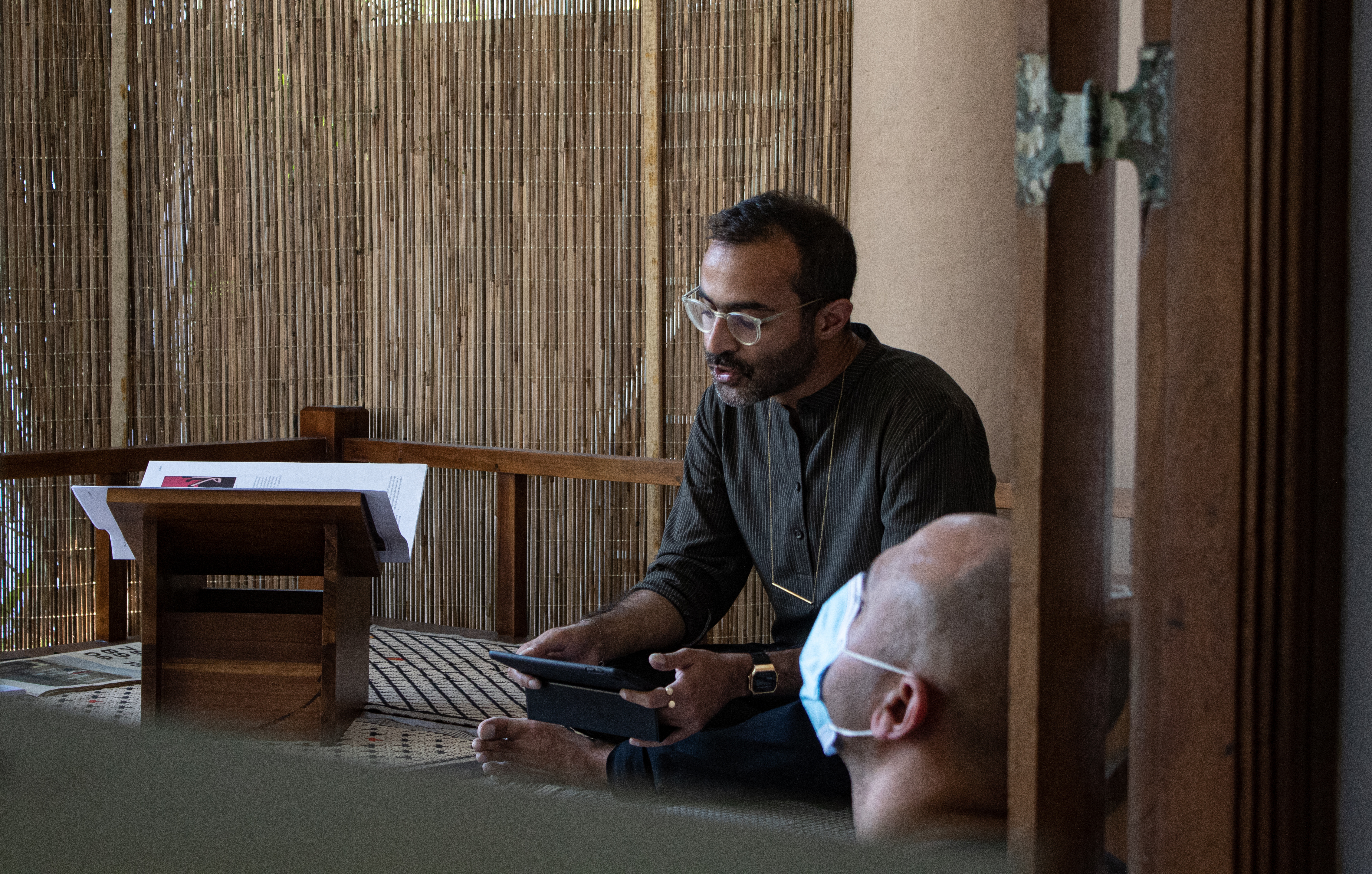
Migrant Fabulations | Reading and Discussion | 22 January
This reading by cultural anthropologist, Omar Kasmani is a hopscotch across languages, geography and beliefs, and asks “What transpires when the strange pervades the familiar, dispossession becomes ordinary, or when home, to quote an artwork, is a foreign place?” Photography: Lojithan Ram
© Colomboscope
8/28
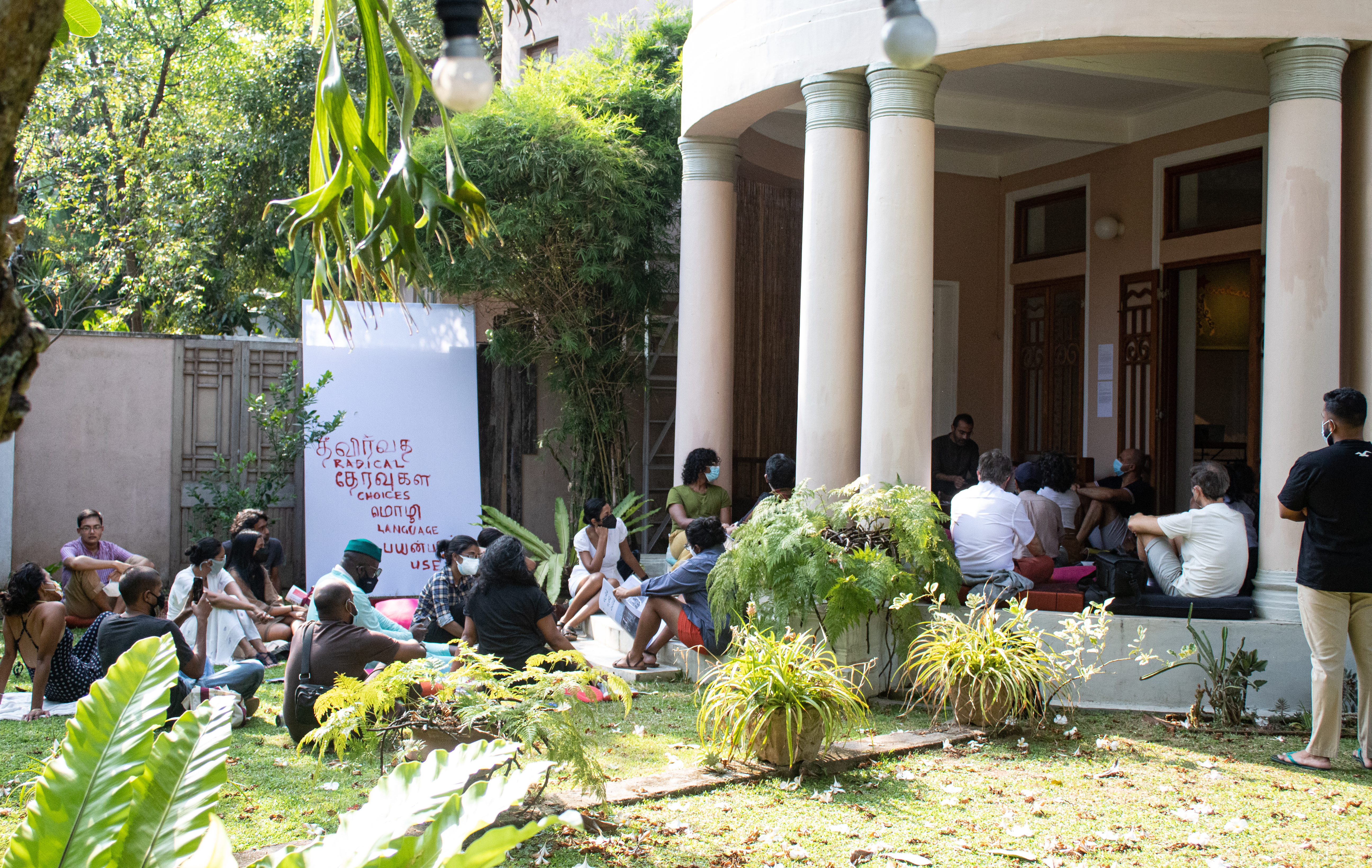
Migrant Fabulations | Reading and Discussion | 22 January
This reading by cultural anthropologist, Omar Kasmani is a hopscotch across languages, geography and beliefs, and asks “What transpires when the strange pervades the familiar, dispossession becomes ordinary, or when home, to quote an artwork, is a foreign place?” Photography: Lojithan Ram
© Colomboscope
9/28
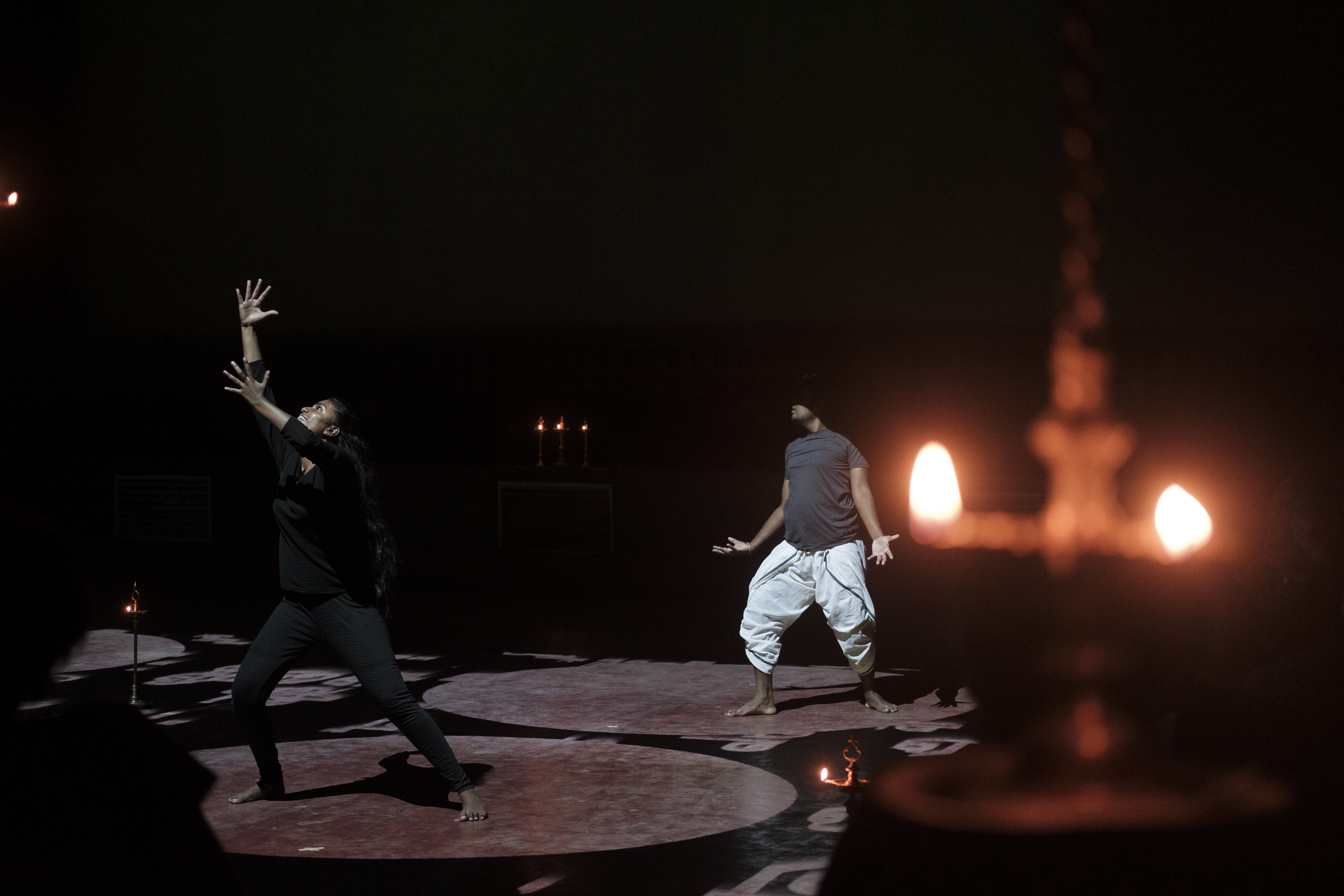
Aaraniyam | Performance | 22 January
Aaraniyam is a collective of four contemporary performers and dancers Srikannan, Ragaventhan, Shalini, Yalini, who use improvised choreography combining Bharatham with theatre and narrative elements, responding to poems by Packiyanathan Ahilan. In collaboration with Lalindra Amarasekara, the collective will plot visualization elements focusing on light and shadow as well as literary fields of loss and injustice. Photography: Shehan Obeysekara
© Colomboscope
10/28
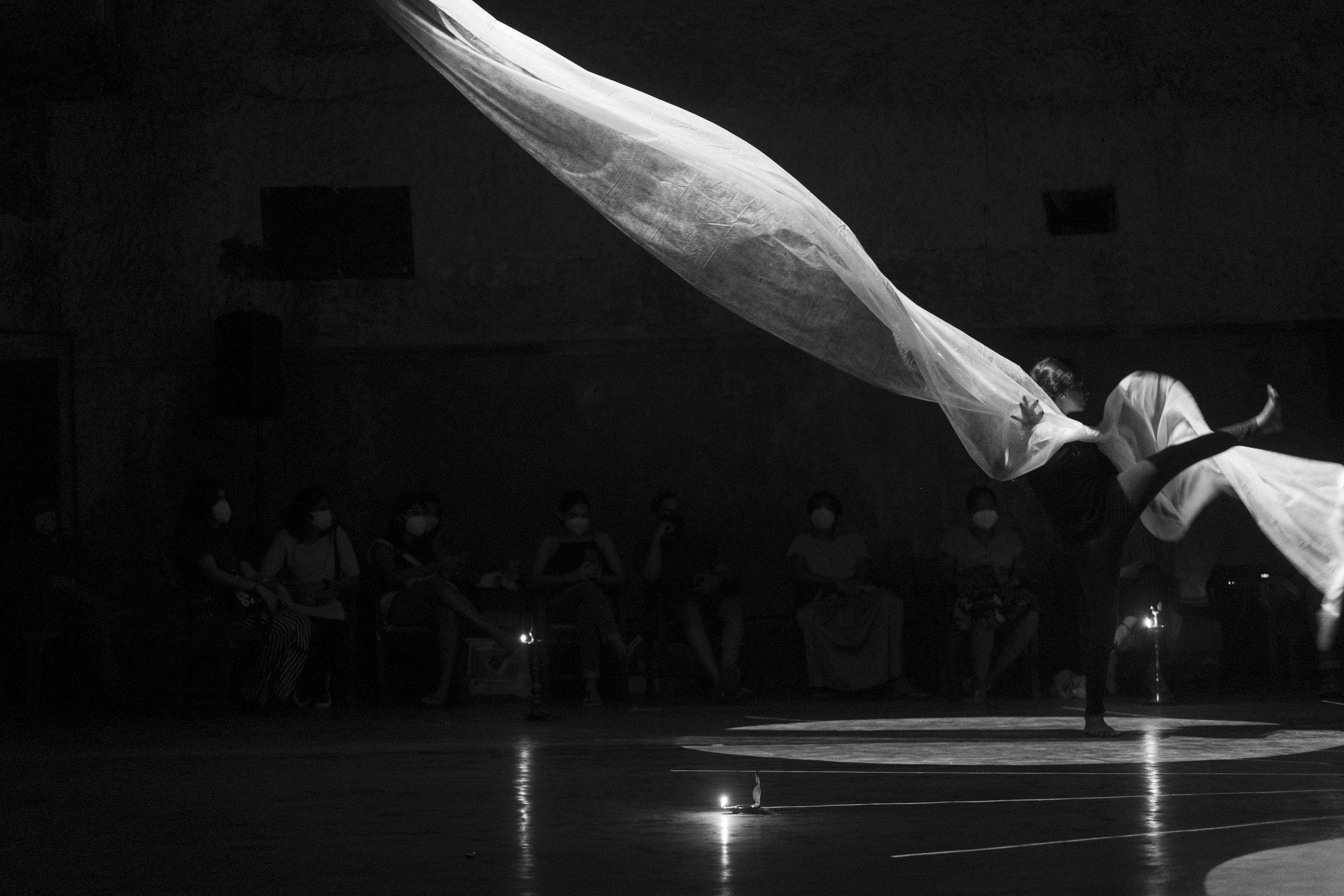
Aaraniyam | Performance | 22 January
Aaraniyam is a collective of four contemporary performers and dancers Srikannan, Ragaventhan, Shalini, Yalini, who use improvised choreography combining Bharatham with theatre and narrative elements, responding to poems by Packiyanathan Ahilan. In collaboration with Lalindra Amarasekara, the collective will plot visualization elements focusing on light and shadow as well as literary fields of loss and injustice. Photography: Shehan Obeysekara
© Colomboscope
11/28
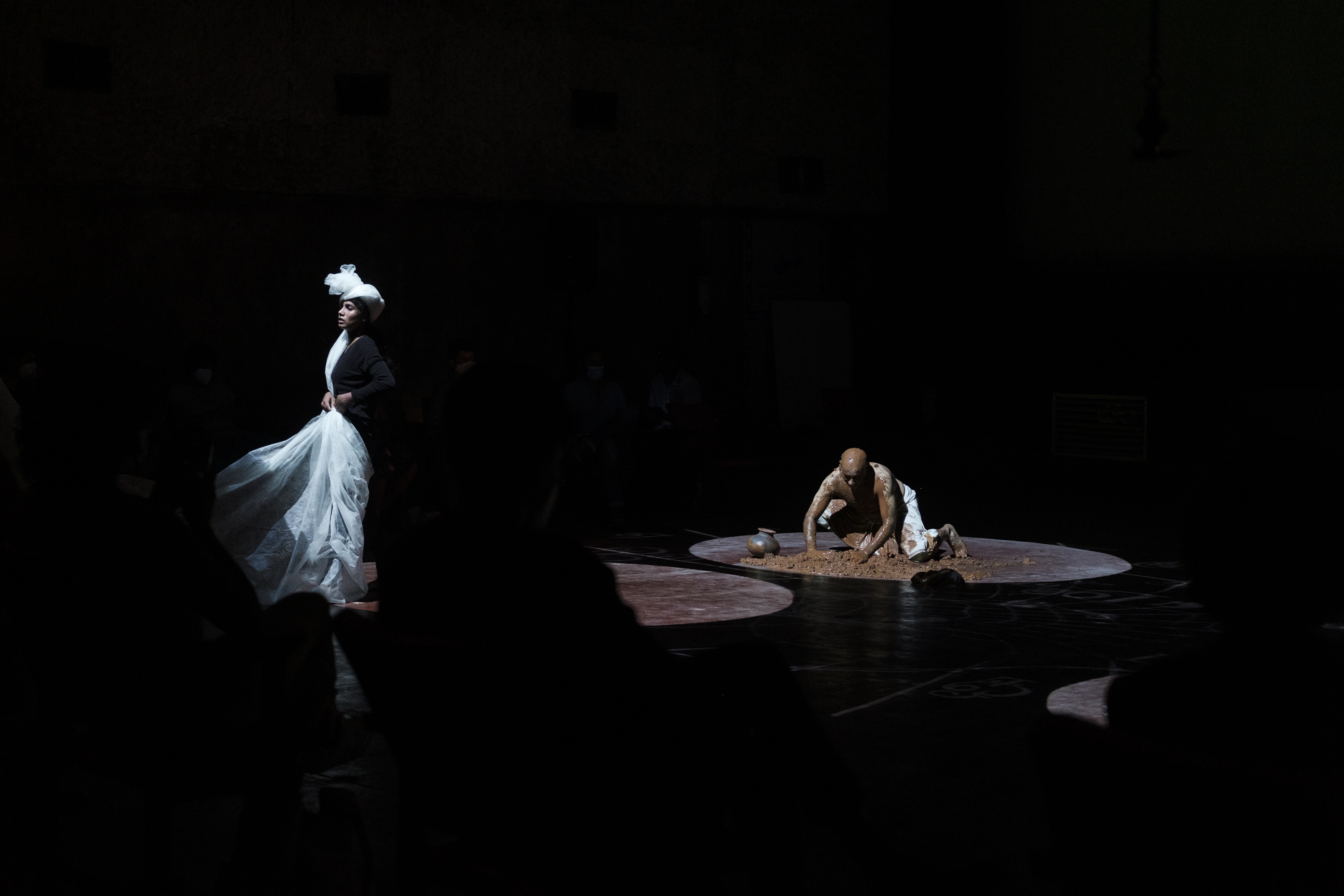
Aaraniyam | Performance | 22 January
Aaraniyam is a collective of four contemporary performers and dancers Srikannan, Ragaventhan, Shalini, Yalini, who use improvised choreography combining Bharatham with theatre and narrative elements, responding to poems by Packiyanathan Ahilan. In collaboration with Lalindra Amarasekara, the collective will plot visualization elements focusing on light and shadow as well as literary fields of loss and injustice. Photography: Shehan Obeysekara
© Colomboscope
12/28
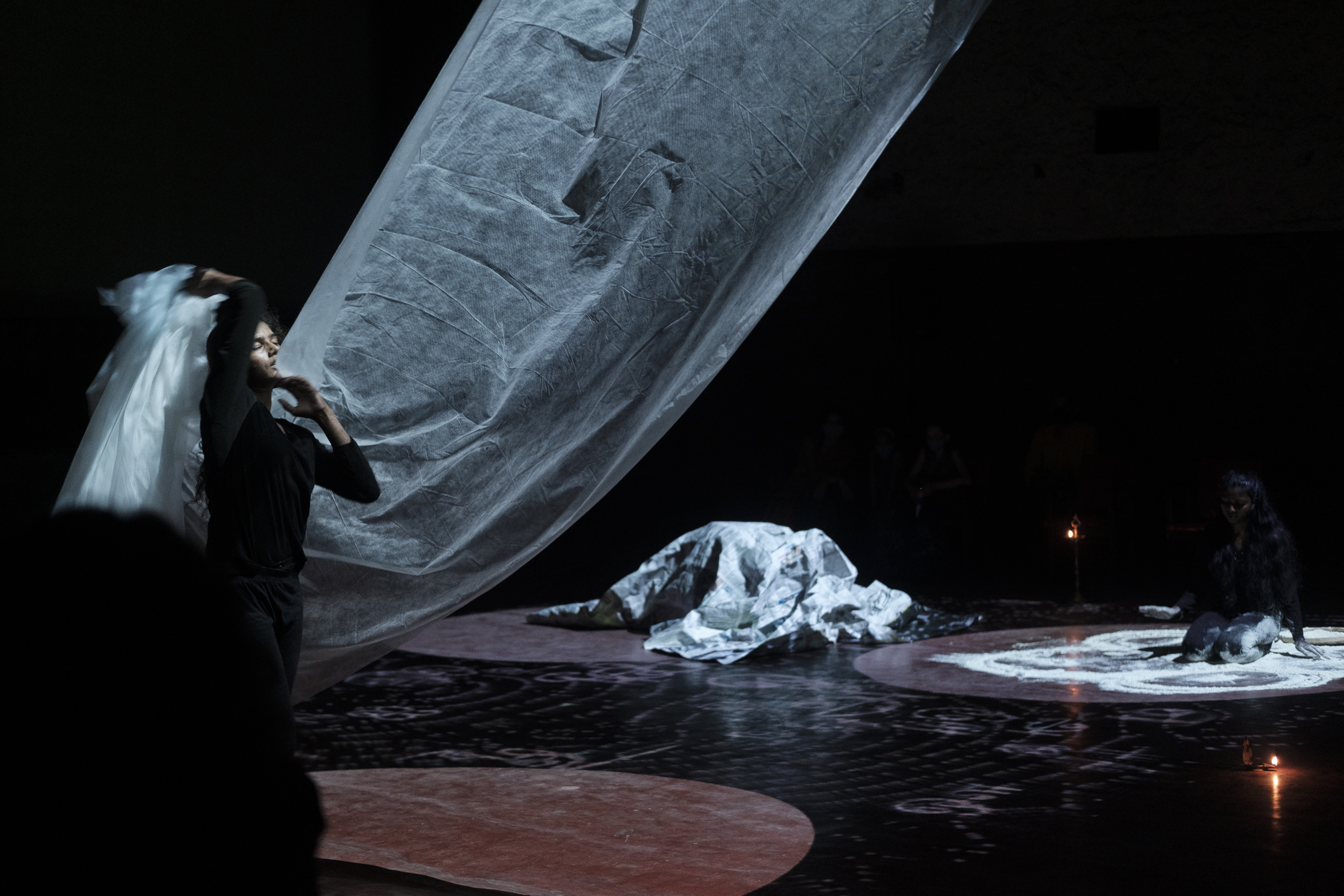
Aaraniyam | Performance | 22 January
Aaraniyam is a collective of four contemporary performers and dancers Srikannan, Ragaventhan, Shalini, Yalini, who use improvised choreography combining Bharatham with theatre and narrative elements, responding to poems by Packiyanathan Ahilan. In collaboration with Lalindra Amarasekara, the collective will plot visualization elements focusing on light and shadow as well as literary fields of loss and injustice. Photography: Shehan Obeysekara
© Colomboscope
13/28
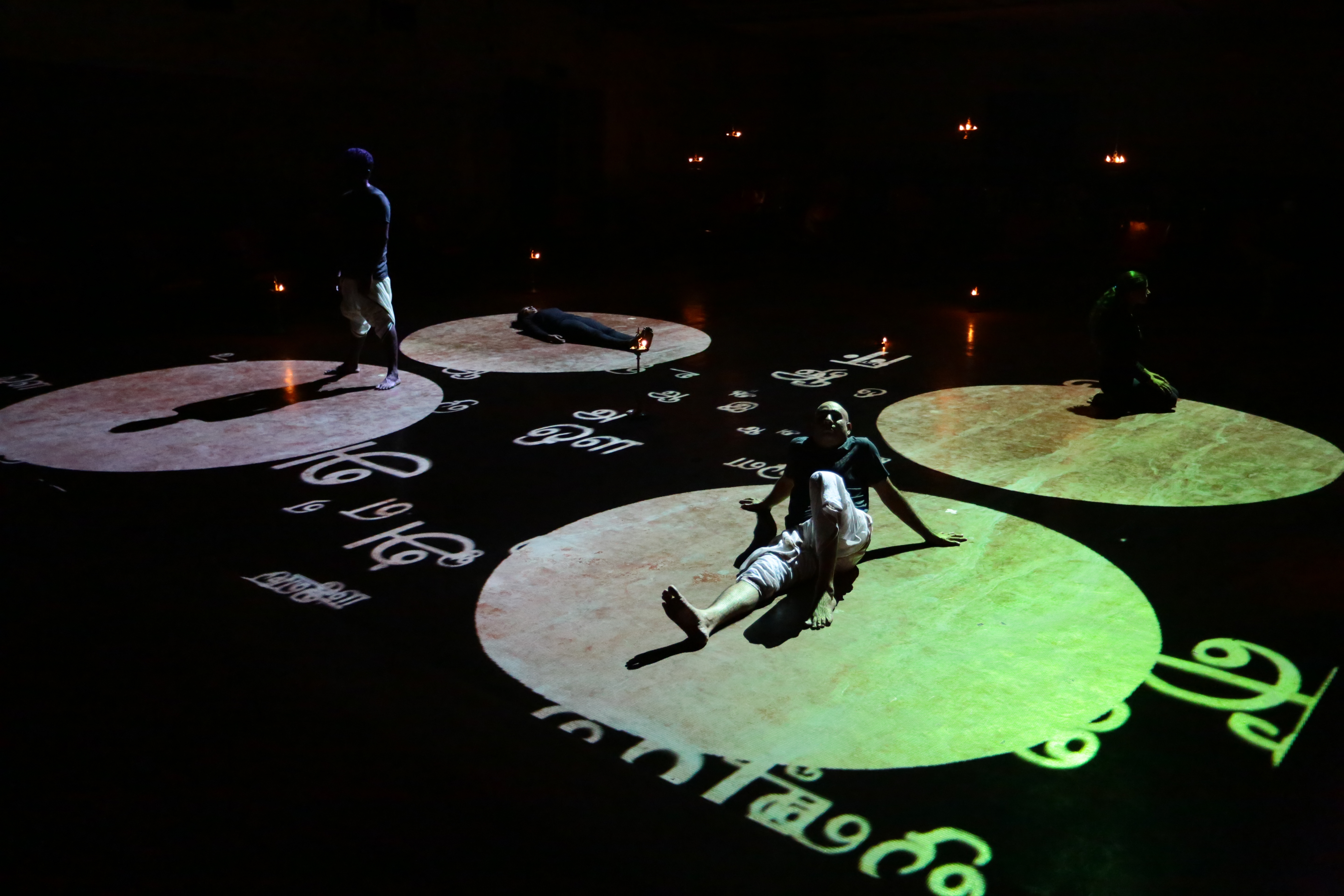
Aaraniyam | Performance | 22 January
Aaraniyam is a collective of four contemporary performers and dancers Srikannan, Ragaventhan, Shalini, Yalini, who use improvised choreography combining Bharatham with theatre and narrative elements, responding to poems by Packiyanathan Ahilan. In collaboration with Lalindra Amarasekara, the collective will plot visualization elements focusing on light and shadow as well as literary fields of loss and injustice. Photography: Tharmapalan Tilaxan
© Colomboscope
14/28
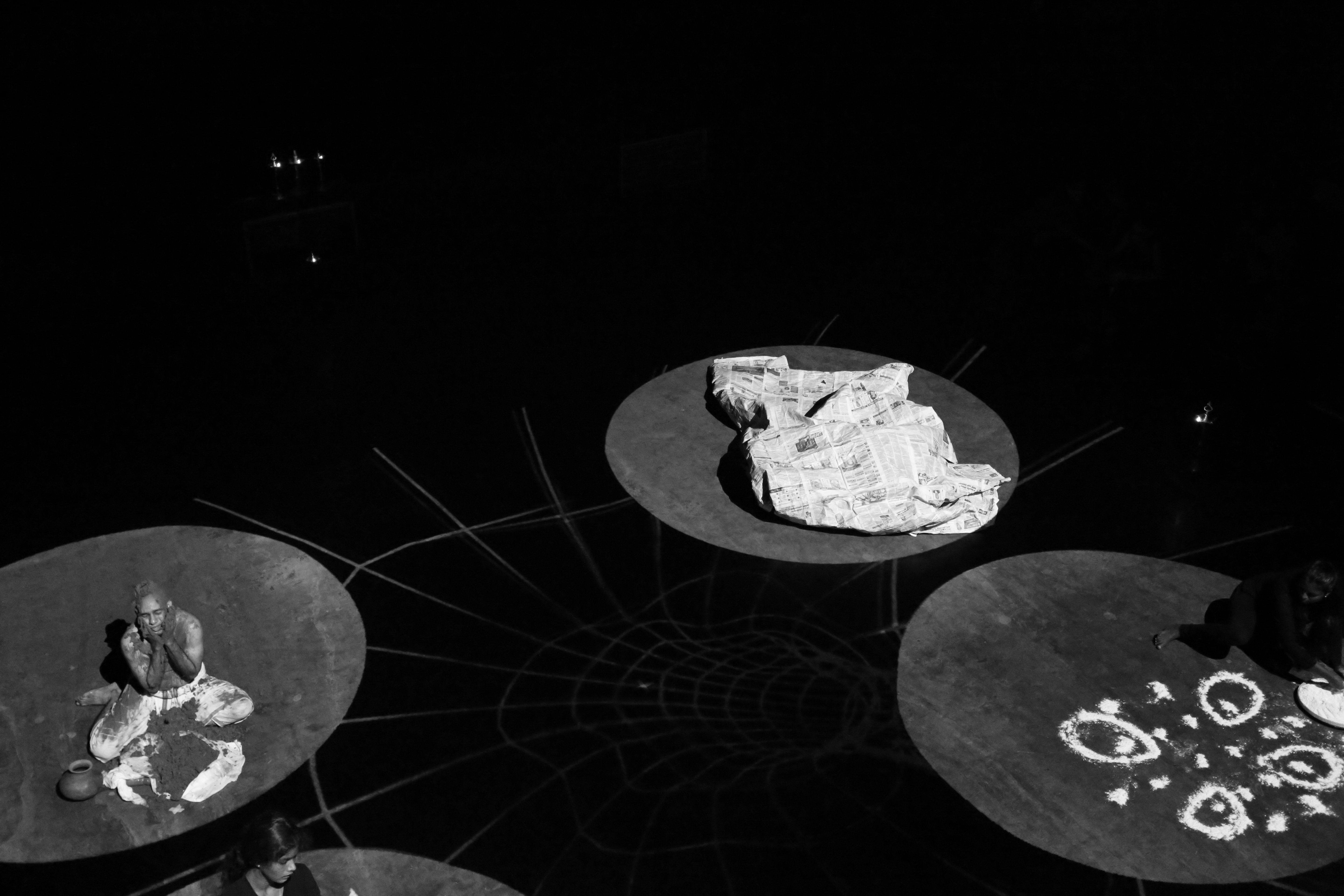
Aaraniyam | Performance | 22 January
Aaraniyam is a collective of four contemporary performers and dancers Srikannan, Ragaventhan, Shalini, Yalini, who use improvised choreography combining Bharatham with theatre and narrative elements, responding to poems by Packiyanathan Ahilan. In collaboration with Lalindra Amarasekara, the collective will plot visualization elements focusing on light and shadow as well as literary fields of loss and injustice. Photography: Tharmapalan Tilaxan
© Colomboscope
15/28
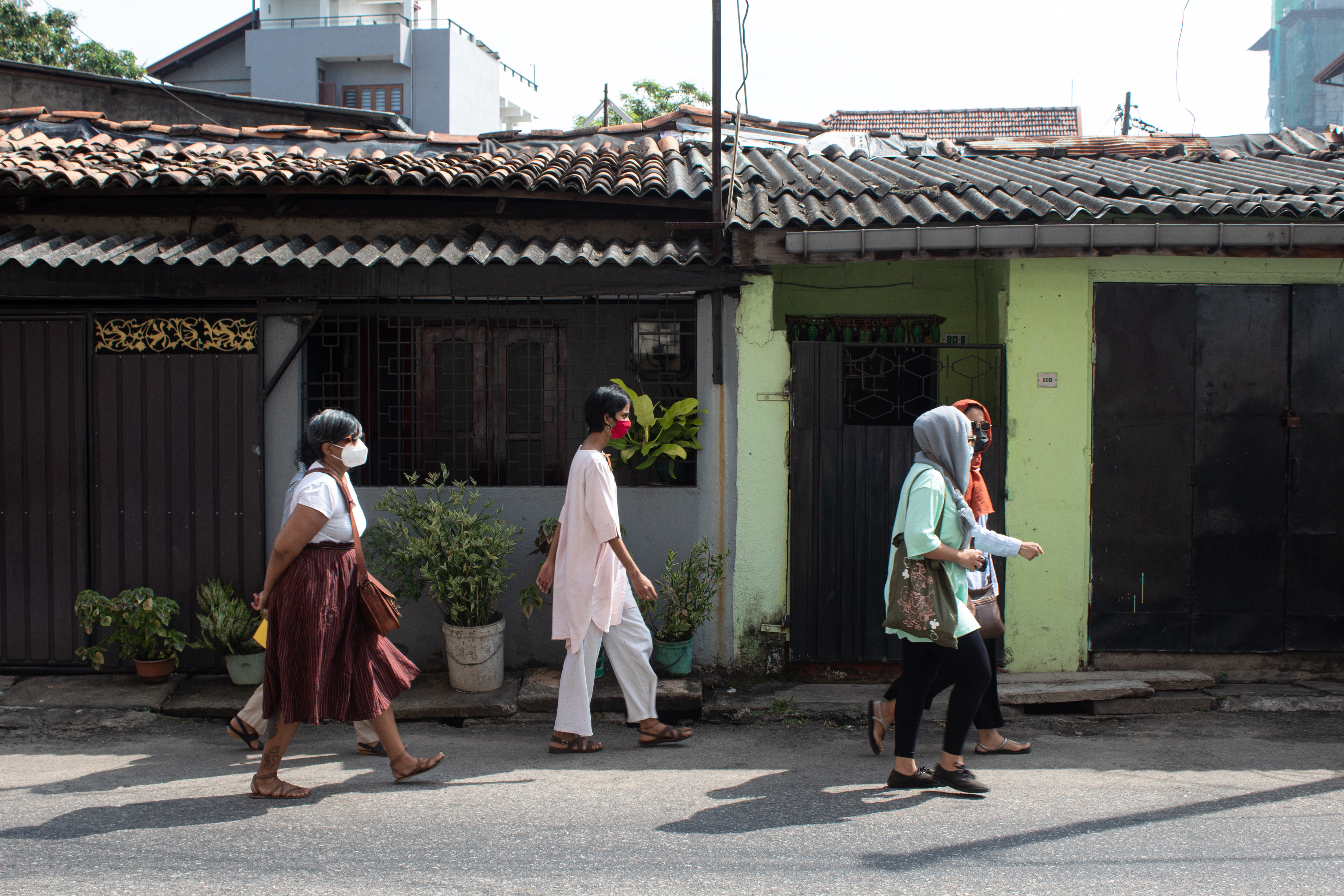
Neighbourhood Movements | Walking Tour | 23 January
This walking tour led by Phusathi Liyanaarachchi and Zul Luthufi around Wellawatta narrates a history of labour unrest, feminist engagement through The Polytechnic, as well as memorializing the Black July 1983 pogrom, traversing neighbourhood stories from residents’ perspectives and migratory histories from the colonial period into the present day. Photography: Lojithan Ram
© Colomboscope
16/28
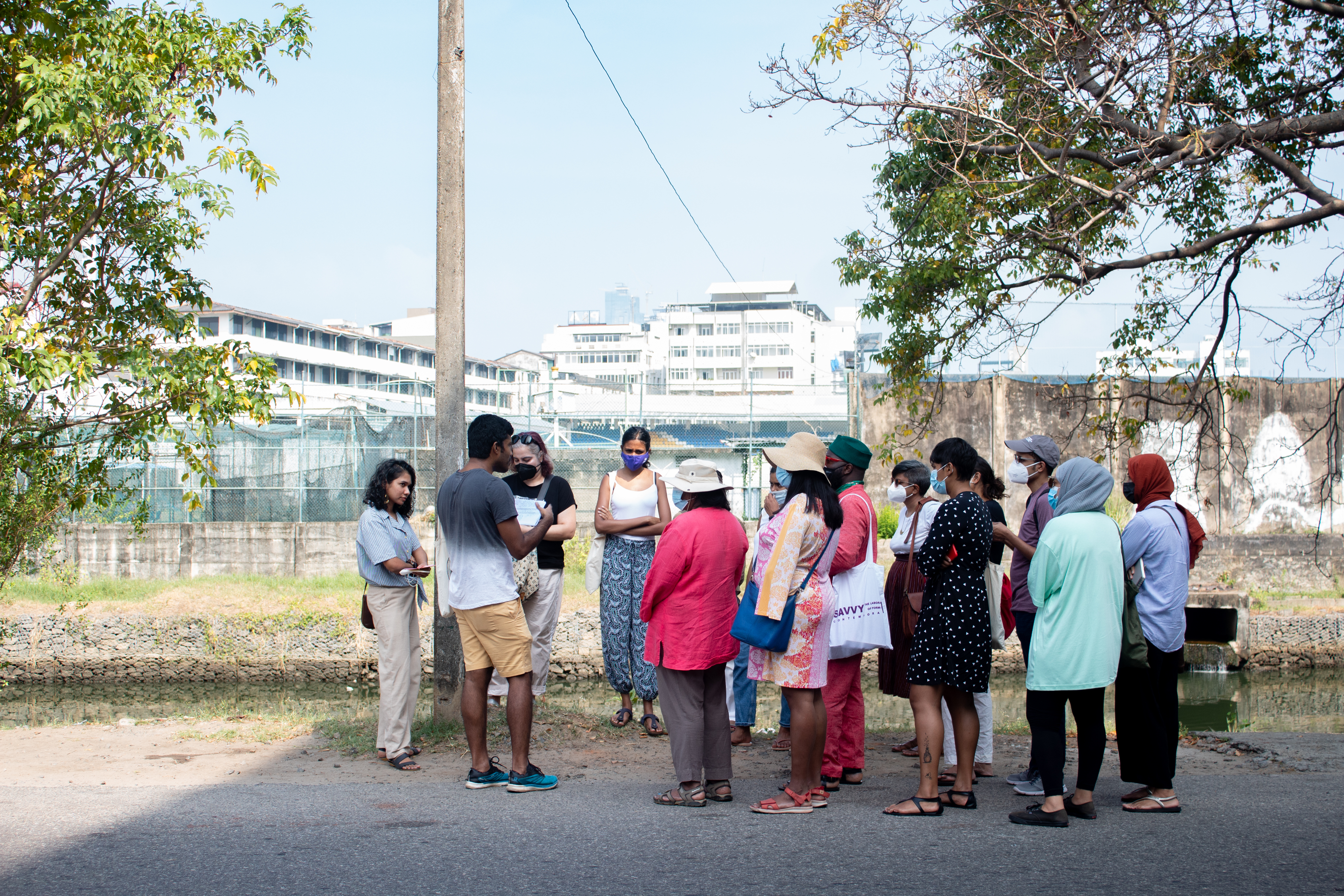
Neighbourhood Movements | Walking Tour | 23 January
This walking tour led by Phusathi Liyanaarachchi and Zul Luthufi around Wellawatta narrates a history of labour unrest, feminist engagement through The Polytechnic, as well as memorializing the Black July 1983 pogrom, traversing neighbourhood stories from residents’ perspectives and migratory histories from the colonial period into the present day. Photography: Lojithan Ram
© Colomboscope
17/28
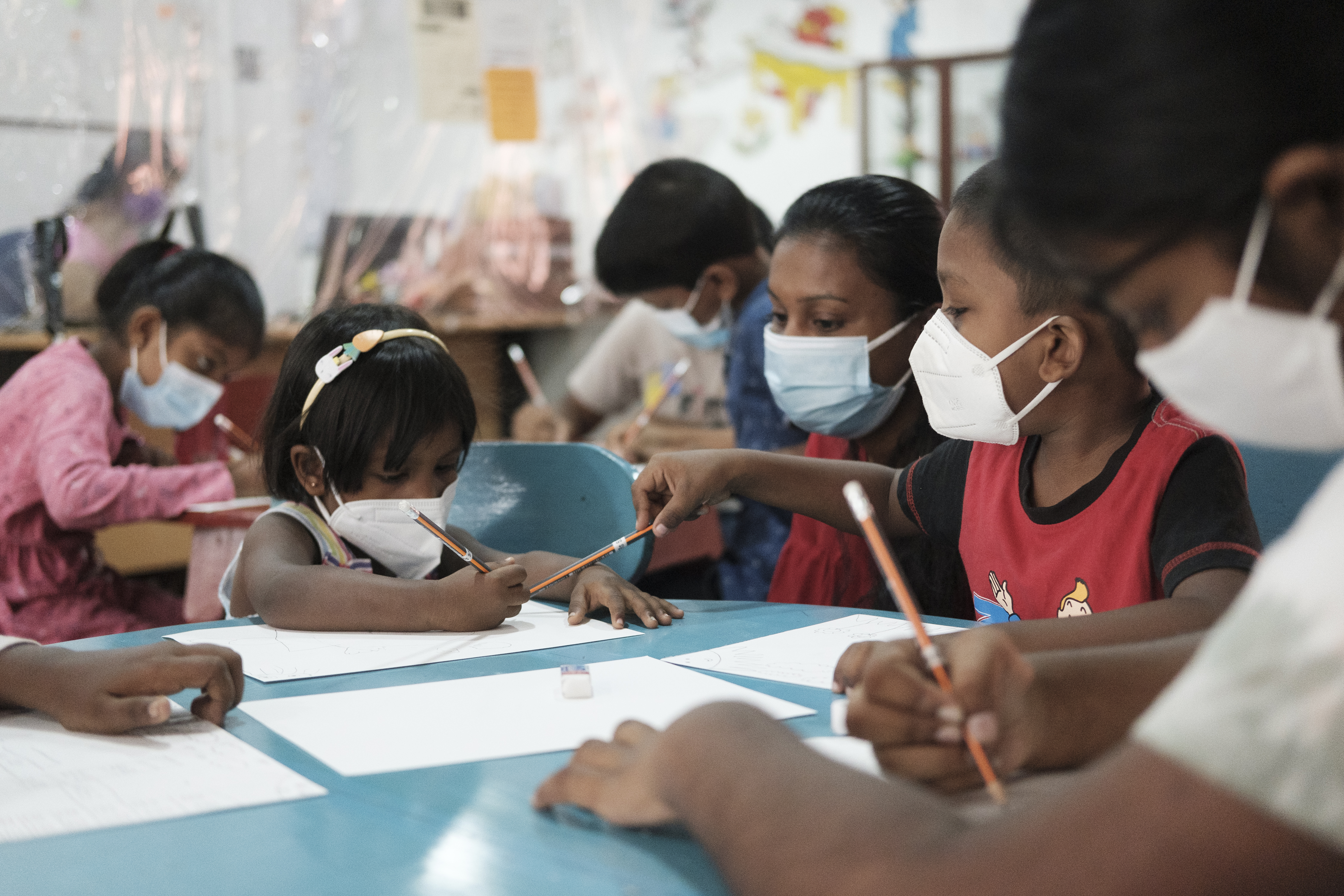
Our Land, Inner Land with Malki Jayakody | Children’s Workshops | 22 & 23 January
Artist Malki Jayakody led two workshops on mixed media collage making inviting young participants to join her in crafting the transformations of urban landscapes as well as inner and outer journeys from rural to metropolitan life. As the built horizon changes before our eyes, this workshop engaged ways of recording the living histories we are making together. Photography: Shehan Obeysekara
© Colomboscope
18/28
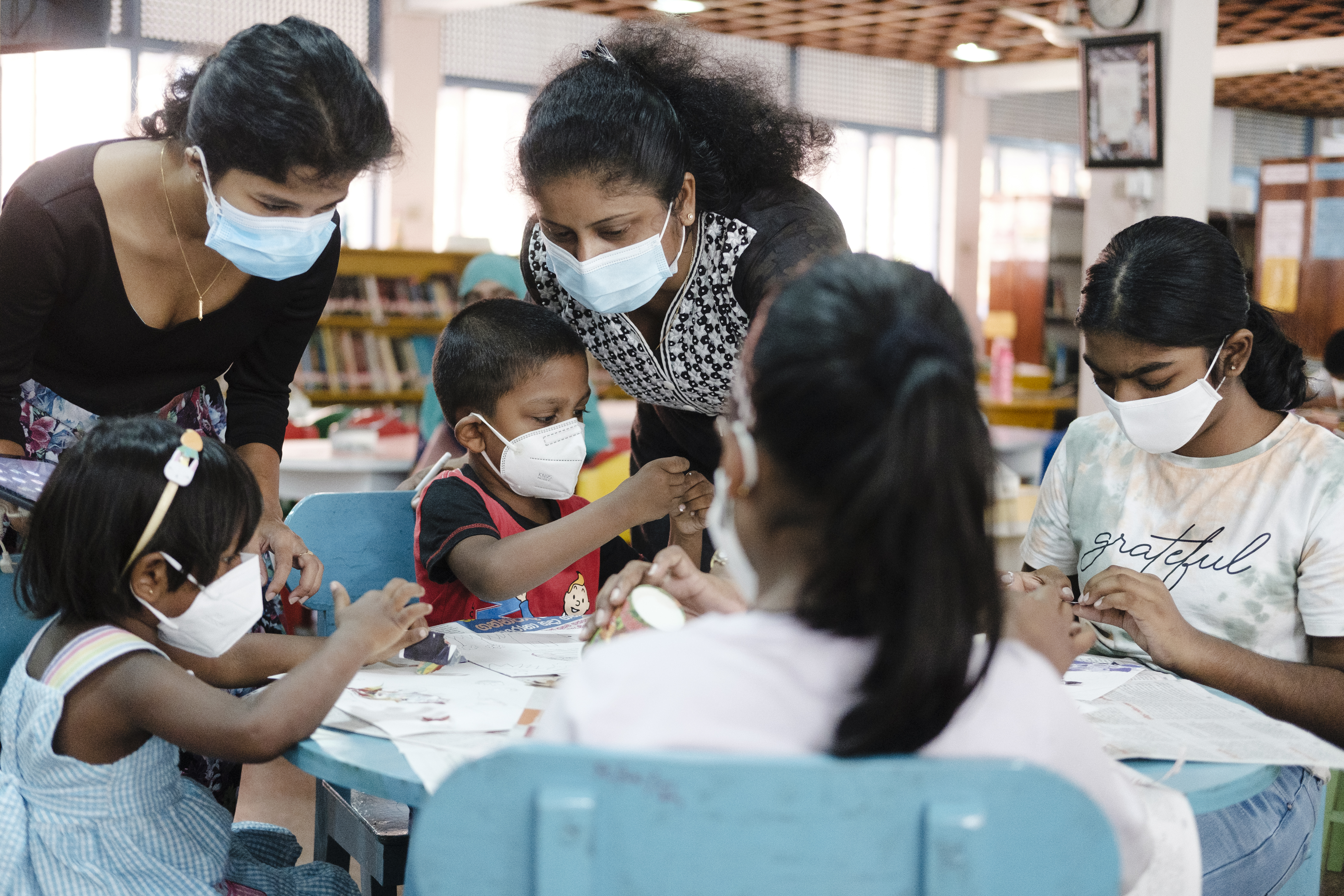
Our Land, Inner Land with Malki Jayakody | Children’s Workshops | 22 & 23 January
Artist Malki Jayakody led two workshops on mixed media collage making inviting young participants to join her in crafting the transformations of urban landscapes as well as inner and outer journeys from rural to metropolitan life. As the built horizon changes before our eyes, this workshop engaged ways of recording the living histories we are making together. Photography: Shehan Obeysekara
© Colomboscope
19/28
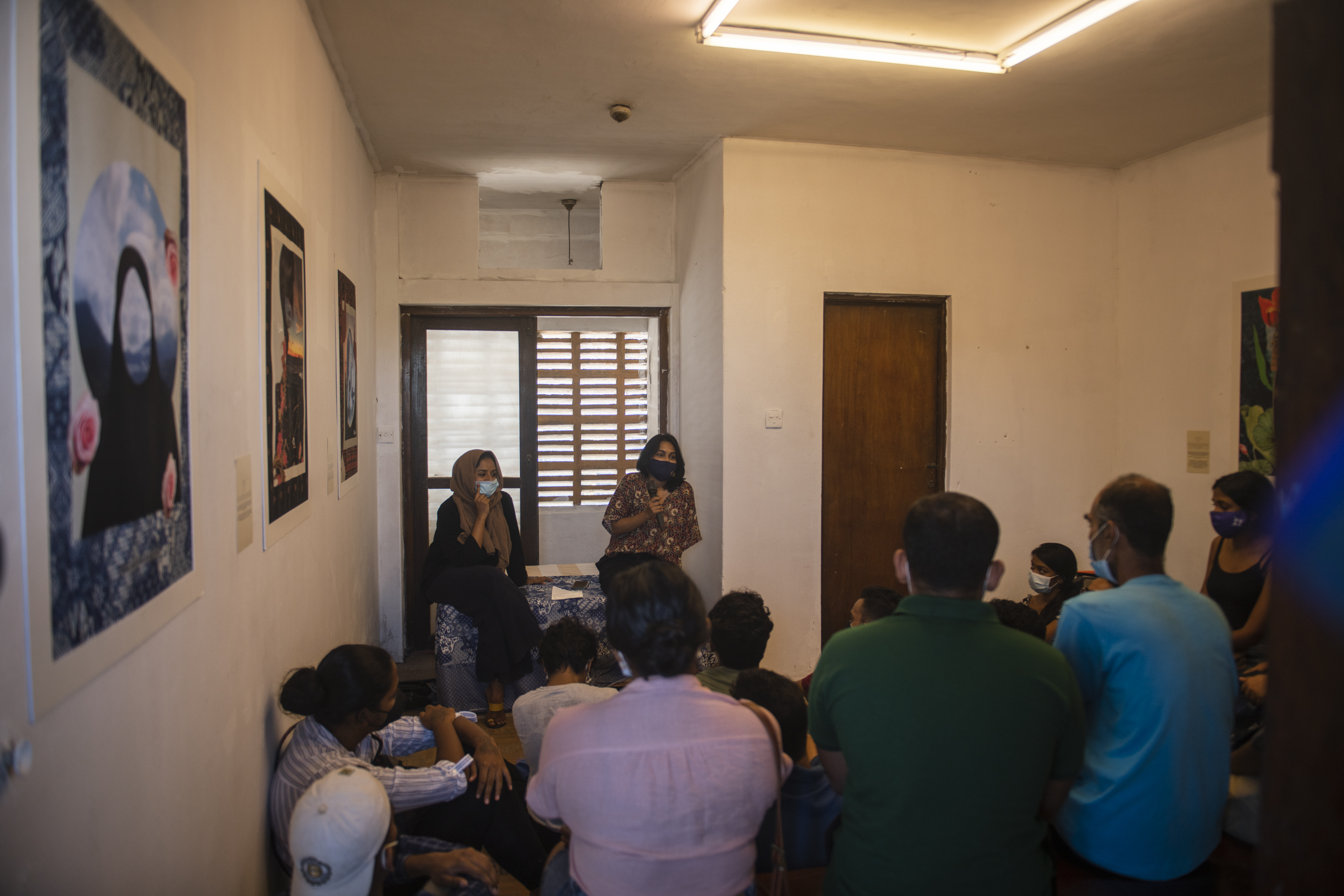
Fragile Inheritance | Artist Tour | 22 January
A walk-through and critical discussion with Megara Tegal and Aamina Nizar on the disappearance of Gundul (the Malay script), familial stories, and the evolution of the pockets of Sri Lankan Malay communities around the island. Photography: Shehan Obeysekara
© Colomboscope
20/28
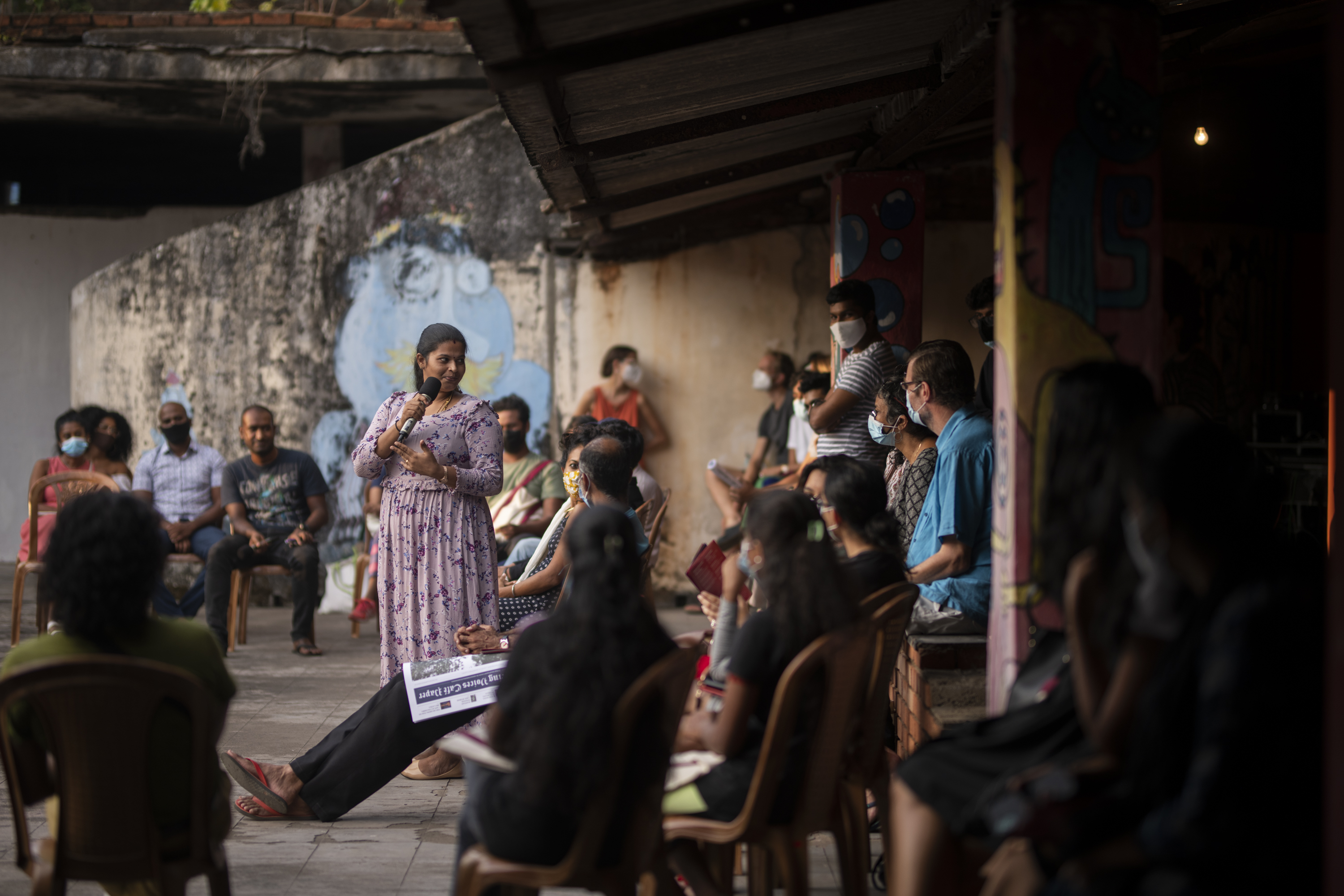
The Foreigner | Performance | 22 January
The Sri Lankan iteration of Ahilan Ratnamohan’s ongoing performative series, The Foreigner, uses atypical performative and interactive methods to respond to the specific linguistic and cultural fabric in the country through a series of language-based games. Audiences were invited to come and play specific games with learners of Sinhala who have no conventional performance training, and question their own assumptions related to the role of proficient language use in communication. Photography: Shehan Obeysekara
© Colomboscope
21/28
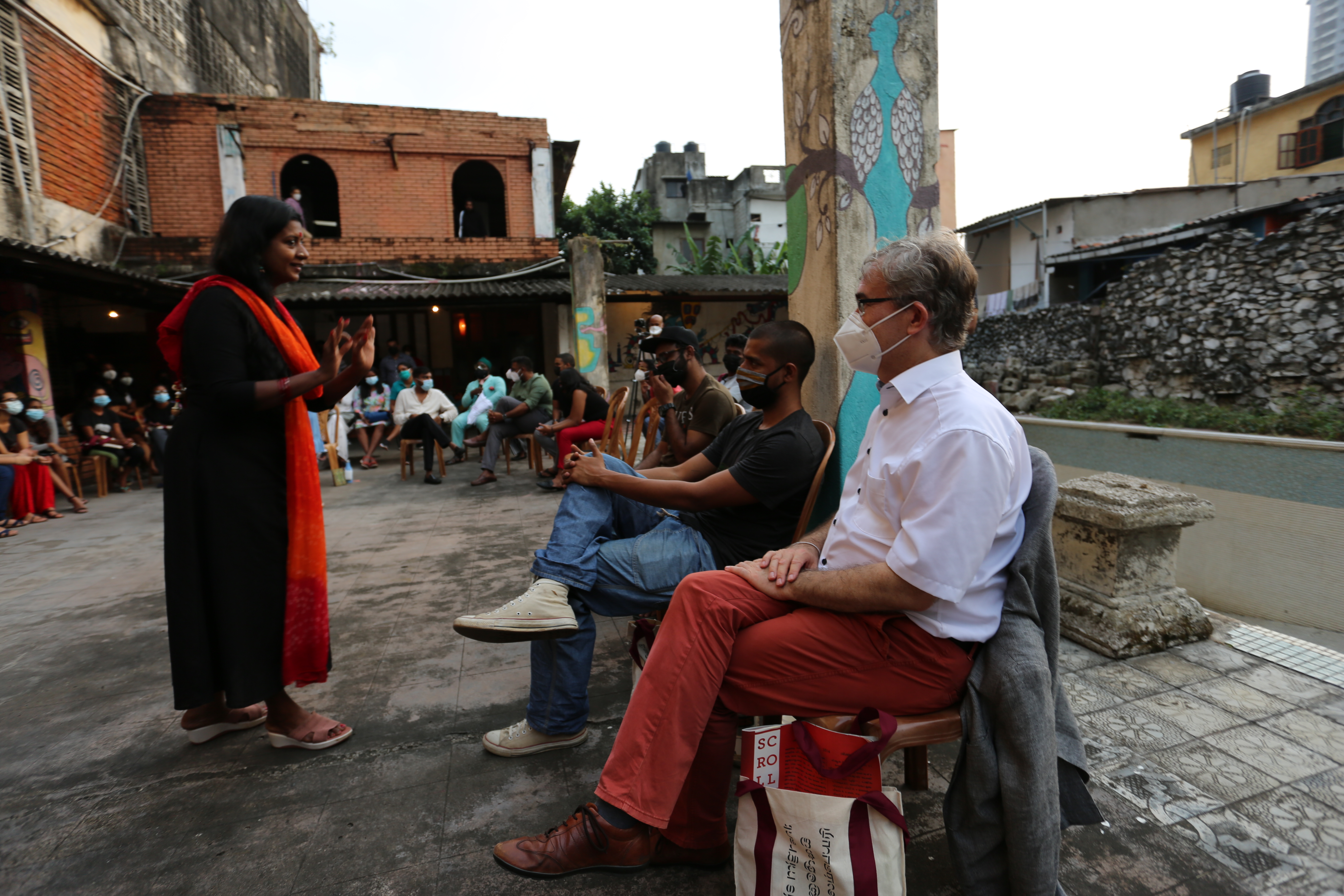
The Foreigner | Performance | 22 January
The Sri Lankan iteration of Ahilan Ratnamohan’s ongoing performative series, The Foreigner, uses atypical performative and interactive methods to respond to the specific linguistic and cultural fabric in the country through a series of language-based games. Audiences were invited to come and play specific games with learners of Sinhala who have no conventional performance training, and question their own assumptions related to the role of proficient language use in communication. Photography: Tharmapalan Tilaxan
© Colomboscope
22/28
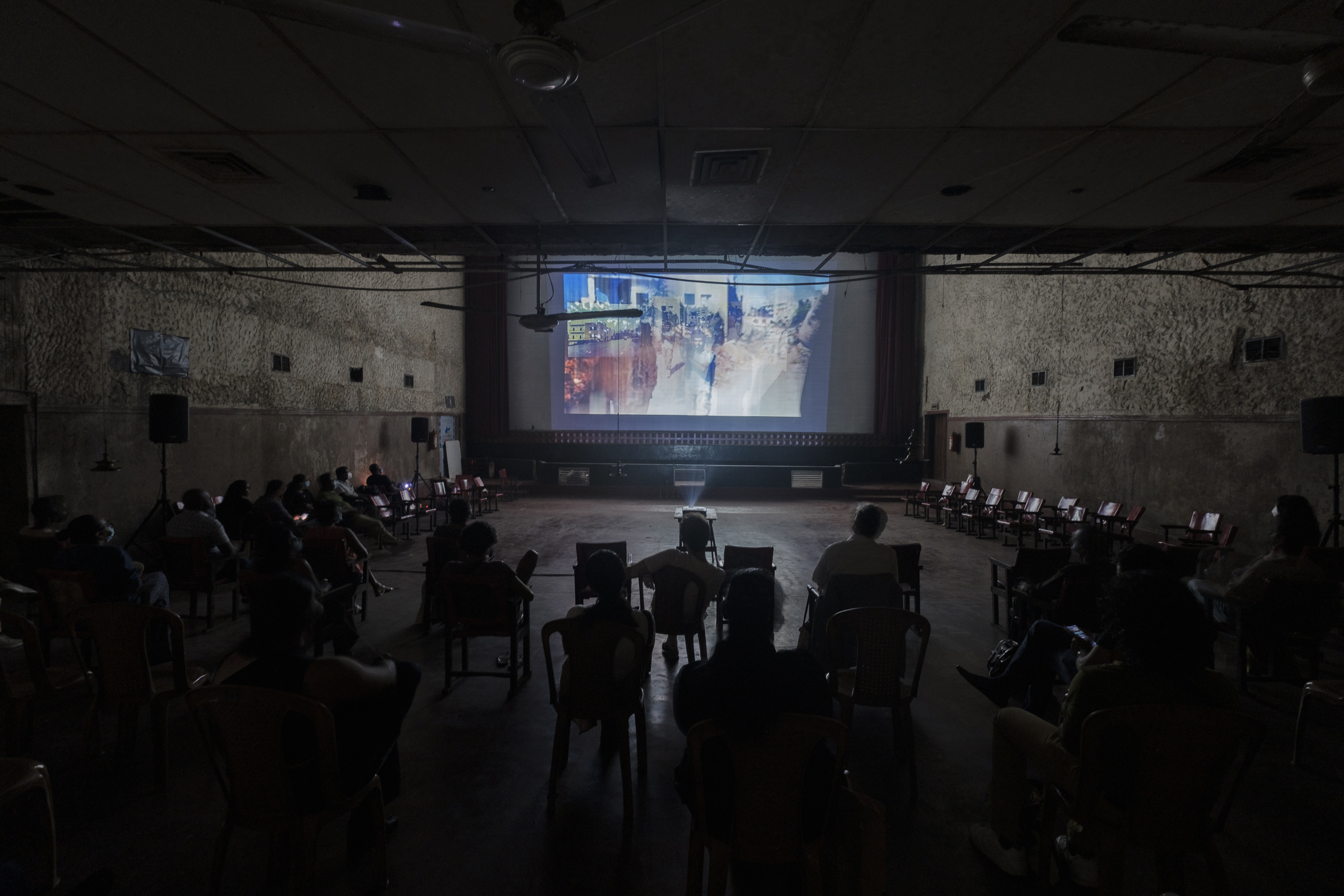
Once Removed Film Screening | 22 January
Lawrence Abu Hamdan's Once Removed finally screened in Colombo at Rio complex, a cinema marked by history of Black July 1983 at the opening chapter of the civil war. This astute and eye opening work tackles forced erasure of war crimes, intergenerational trauma, martyrdom and broken alliances all read through a protagonist reincarnated, flashbacks and buried archives. Photography: Shehan Obeysekara
© Colomboscope
23/28
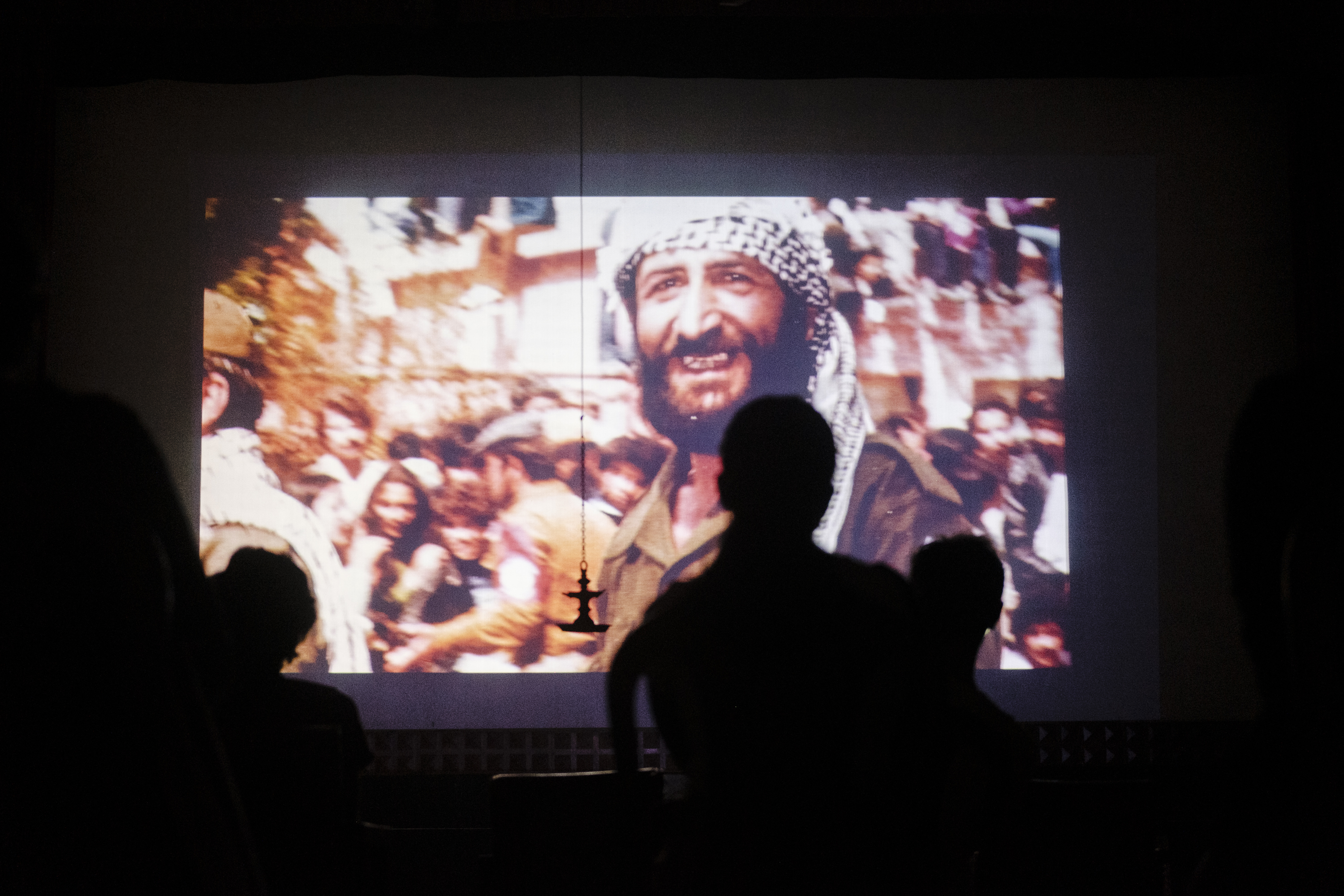
Once Removed Film Screening | 22 January
Lawrence Abu Hamdan's Once Removed finally screened in Colombo at Rio complex, a cinema marked by history of Black July 1983 at the opening chapter of the civil war. This astute and eye opening work tackles forced erasure of war crimes, intergenerational trauma, martyrdom and broken alliances all read through a protagonist reincarnated, flashbacks and buried archives. Photography: Shehan Obeysekara
© Colomboscope
24/28
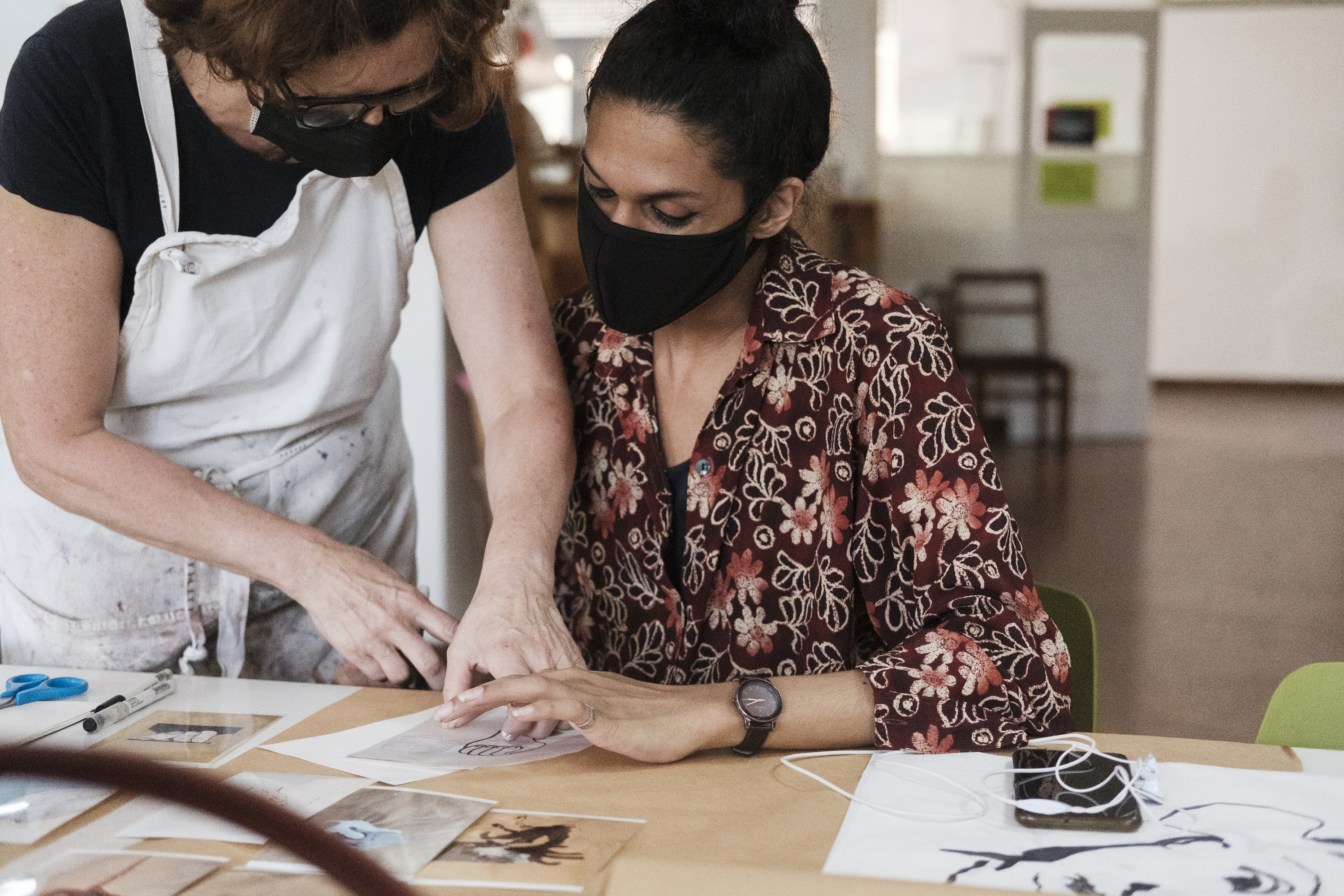
The Lookbook | Workshop | Jan 21 - 30
This workshop led by Fabienne Francotte @fabiennefrancotte calls for approaches to drawing as thinking, exploring its capacity for articulating the self, relating to fluid identities, itinerant existence, and forced displacement, continuing her practice of engaging with communities to share the transformative possibilities of artmaking. Participants are invited to draw something unusual, building on portraiture and identity, shaping maps of our spaces visited while being on the move. The lookbook is an open diary that explores drawing as a method to articulate our collective experiences and emotions that compel creative expression. Photography: Shehan Obeysekara
© Colomboscope
25/28
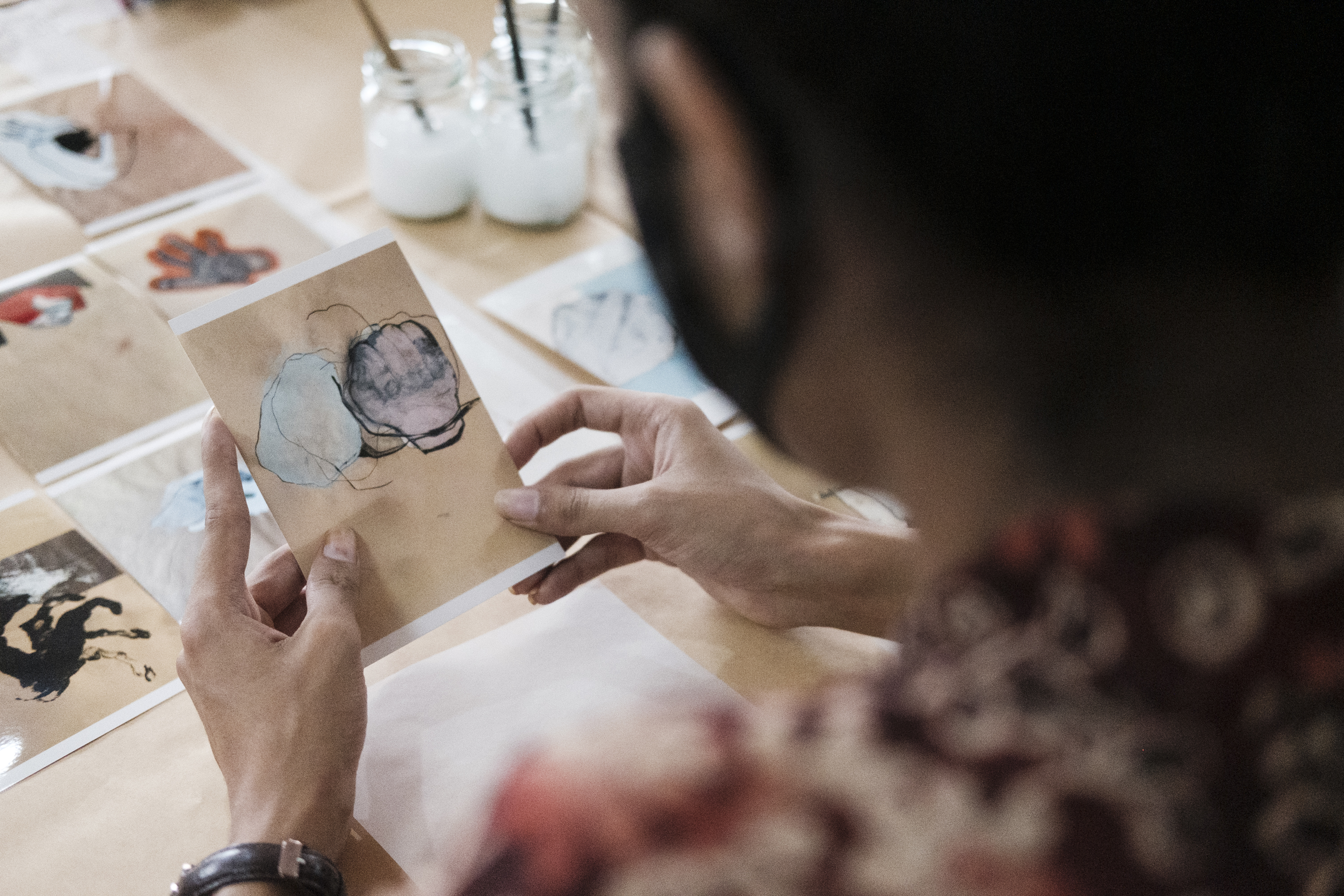
The Lookbook | Workshop | Jan 21 - 30
This workshop led by Fabienne Francotte @fabiennefrancotte calls for approaches to drawing as thinking, exploring its capacity for articulating the self, relating to fluid identities, itinerant existence, and forced displacement, continuing her practice of engaging with communities to share the transformative possibilities of artmaking. Participants are invited to draw something unusual, building on portraiture and identity, shaping maps of our spaces visited while being on the move. The lookbook is an open diary that explores drawing as a method to articulate our collective experiences and emotions that compel creative expression. Photography: Shehan Obeysekara
© Colomboscope
26/28
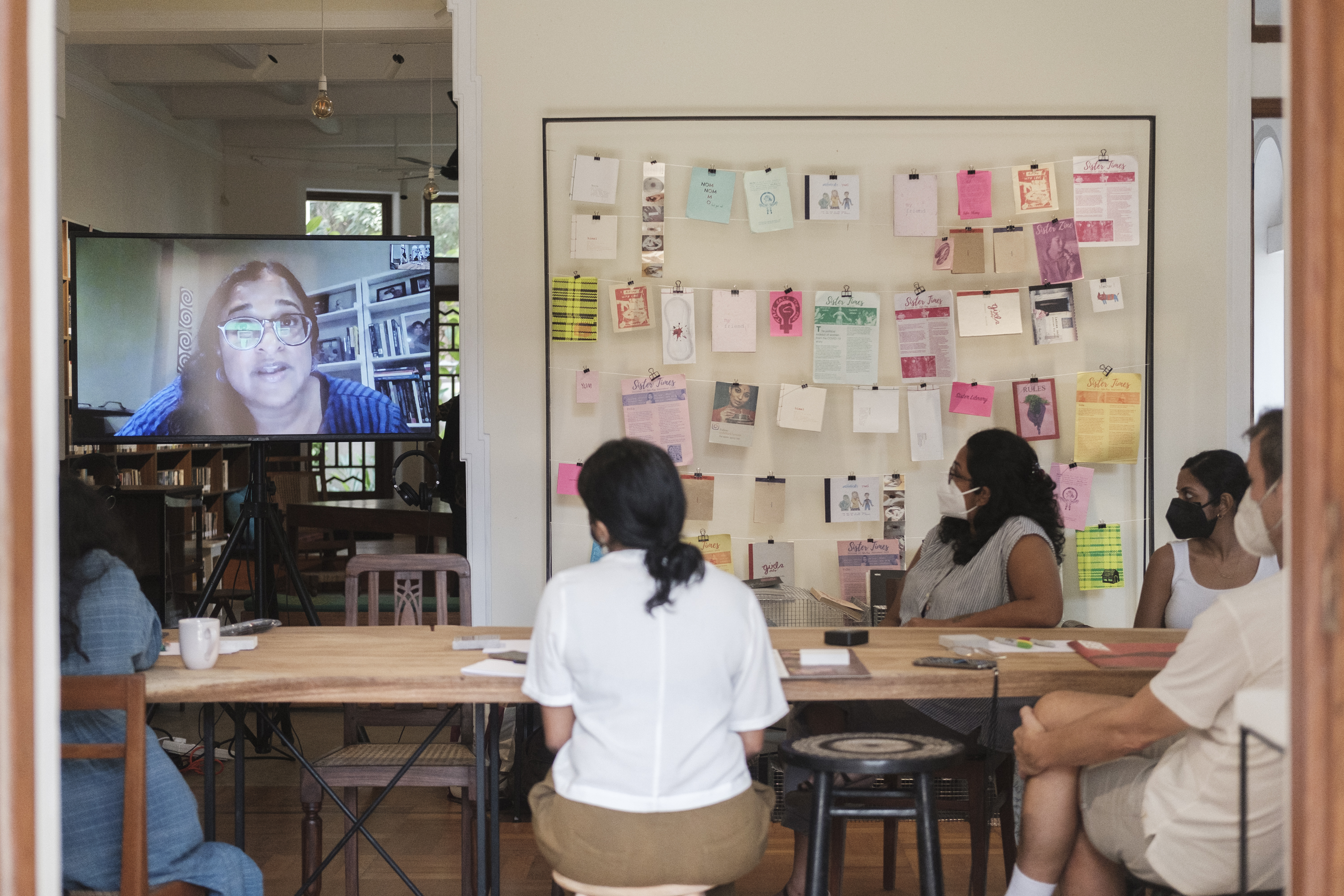
Reading for Life Beyond Tea | Workshop | 23 January
Led by cultural anthropologist Mythri Jegathesan, this workshop asked participants to think about the language, labor and Malaiyaka Tamil estate workers that make Ceylon tea possible. It featured readings from Jegathesan’s seminal book Tea and Solidarity: Tamil Women and Work in Postwar Sri Lanka, photographs from her research, and an open discussion about the politics of writing beyond the story of Ceylon tea and workers’ desires for justice in Sri Lanka. Photography: Shehan Obeysekara
© Colomboscope
27/28
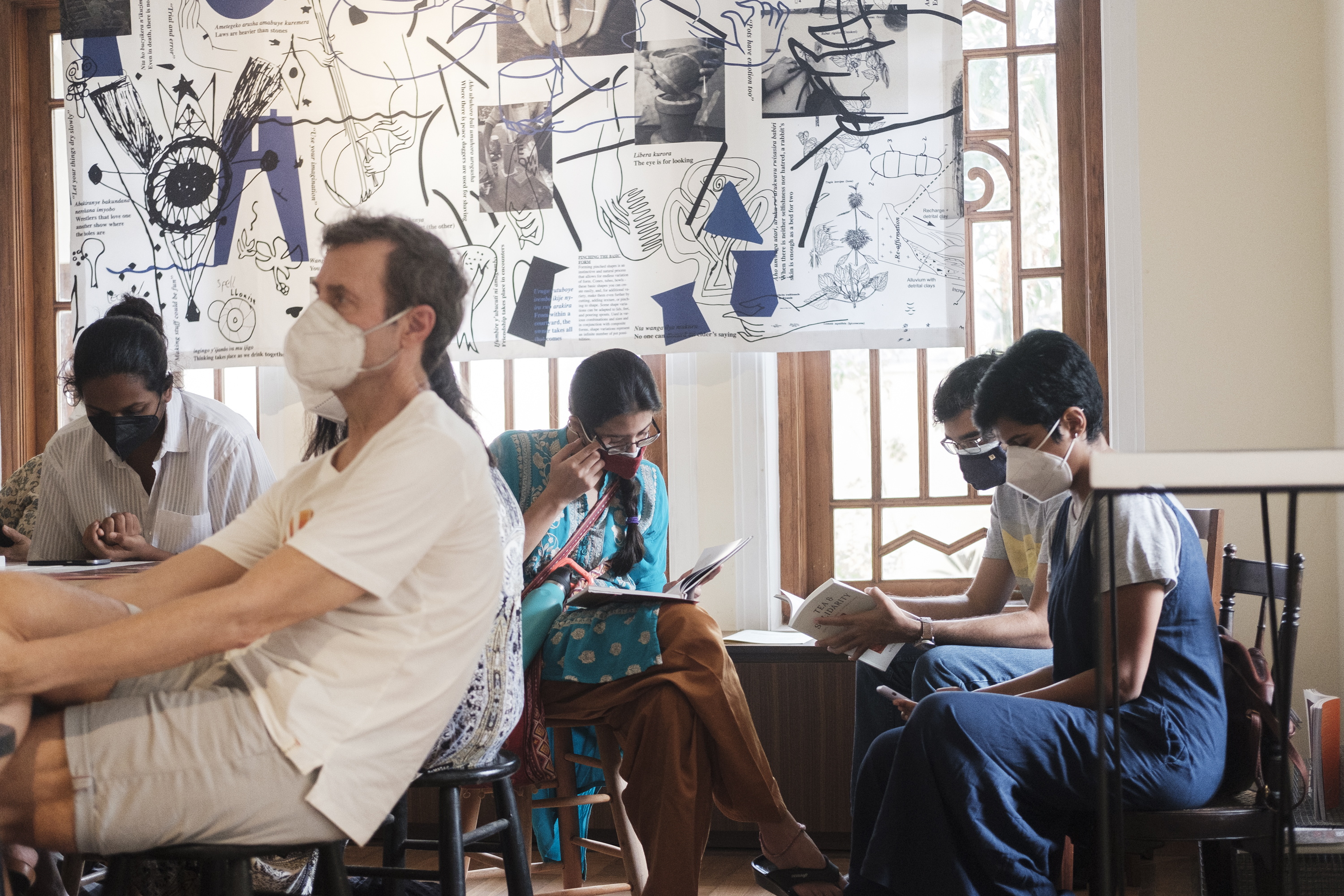
Reading for Life Beyond Tea | Workshop | 23 January
Led by cultural anthropologist Mythri Jegathesan, this workshop asked participants to think about the language, labor and Malaiyaka Tamil estate workers that make Ceylon tea possible. It featured readings from Jegathesan’s seminal book Tea and Solidarity: Tamil Women and Work in Postwar Sri Lanka, photographs from her research, and an open discussion about the politics of writing beyond the story of Ceylon tea and workers’ desires for justice in Sri Lanka. Photography: Shehan Obeysekara
© Colomboscope
28/28