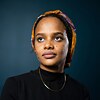
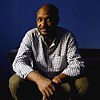
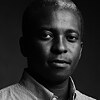
In view of the ongoing fighting in Sudan, the Goethe-Institut Sudan, the Goethe-Institut in Exile and the Goethe-Institut Bonn are showing in cooperation with the gallery Mouches Volantes, the Khartoum Downtown Gallery and the curators Rahiem Shadad and Larissa-Diana Fuhrmann, works by Sudanese artists. The exhibition draws more attention to the current situation in the country, sets a sign of solidarity and thus supports local artists who are in exile or are still there.
Collective trauma can be incredibly powerful in its ability to shift perspectives and impact a community. Times in Sudan's history bear witness to a tide of radical experiences that leave it stained and cracked. With each new generation, a new sequence of events seems to unfold.
Known locally as "Haboob," the sandstorms move from the northeast to the southwest, traversing the vast land that surrounds the Nile and is framed by two bodies of water. The soil of Sudan breathes life into this fertile landscape, making it one of the largest agricultural regions in the world. It is a country that is rich and poor at the same time.
The word "Nubia" means "gold", which is associated with vitality in Sudan. It symbolizes value, but has always been a projection screen for memories and storytelling. During the Kingdom of Kush, gold was buried alongside kings and queens to honor wealth and their heritage. Today, husbands give their wives gold, which is passed down through generations through women to preserve family history and identity. Gold has never been viewed in sheer quantity, but rather as a highly charged symbol. Today, when it is said that a woman has "sold her gold," it means that her life has hit rock bottom. There is great misfortune in this family. At the same time, a man is expected never to ask his wife to sell her gold.
There is now a collective narrative in the mention of gold, one that causes shivers to be heard when spoken of. "We've all sold our gold." On April 15, 2023, Sudan hit rock bottom. A nation had given up their gold. Fighting between Sudanese forces and the gold-funded Rapid Support Forces (RSF) is devastating the country and reducing the city of Khartoum to rubble. The conflict shows once again the importance of promoting democratic approaches of the kind that have begun to be active in Sudan since the revolution.
The works presented invite you to experience different perspectives of resilience - of enduring, of persevering, of resistance - in the midst of this shock. They illustrate the different mental experiences before and during military conflicts. The exhibition aims to stimulate reflection on the deep sense of new beginnings experienced by those displaced by the conflict. She humanizes statistics and turns them into tangible experiences captured by time and objects. We pay tribute to the brave artists and creatives who have refused to be silenced.
This exhibition on the premises of the gallery Mouches Volantes is intended to counteract the global North's slowly beginning disinterest in this war and the inherent structural racism (towards BIPoC, Muslims, people of sub-Saharan Africa) and to break down existing prejudices against Africans . The exhibition partly shows works that found their way to Germany via Egypt or other (escape) routes and is the first in Europe since the beginning of the renewed fighting and as such draws attention to the situation in Sudan.
July 19, 7 pm: Guided tour with Rahiem Shadad (English)
July 20, 7 pm: Guided tour with Rahiem Shadad (Arabic)
July 21, 7 pm: Performance by Rahiem Shadad
July 21, 7:30 pm: Artist talk with Rahiem Shadad, Amna Elhassan and Larissa-Diana Fuhrmann (English, live stream on Instagram)
The exhibition was created in collaboration with the Goethe-Institut Sudan, the Goethe-Institut Bonn, the Goethe-Institut in Exile and the Khartoum Downtown Gallery.