Operation Mhorr

Thème de discussion:
2022 Equal Opportunities in Science
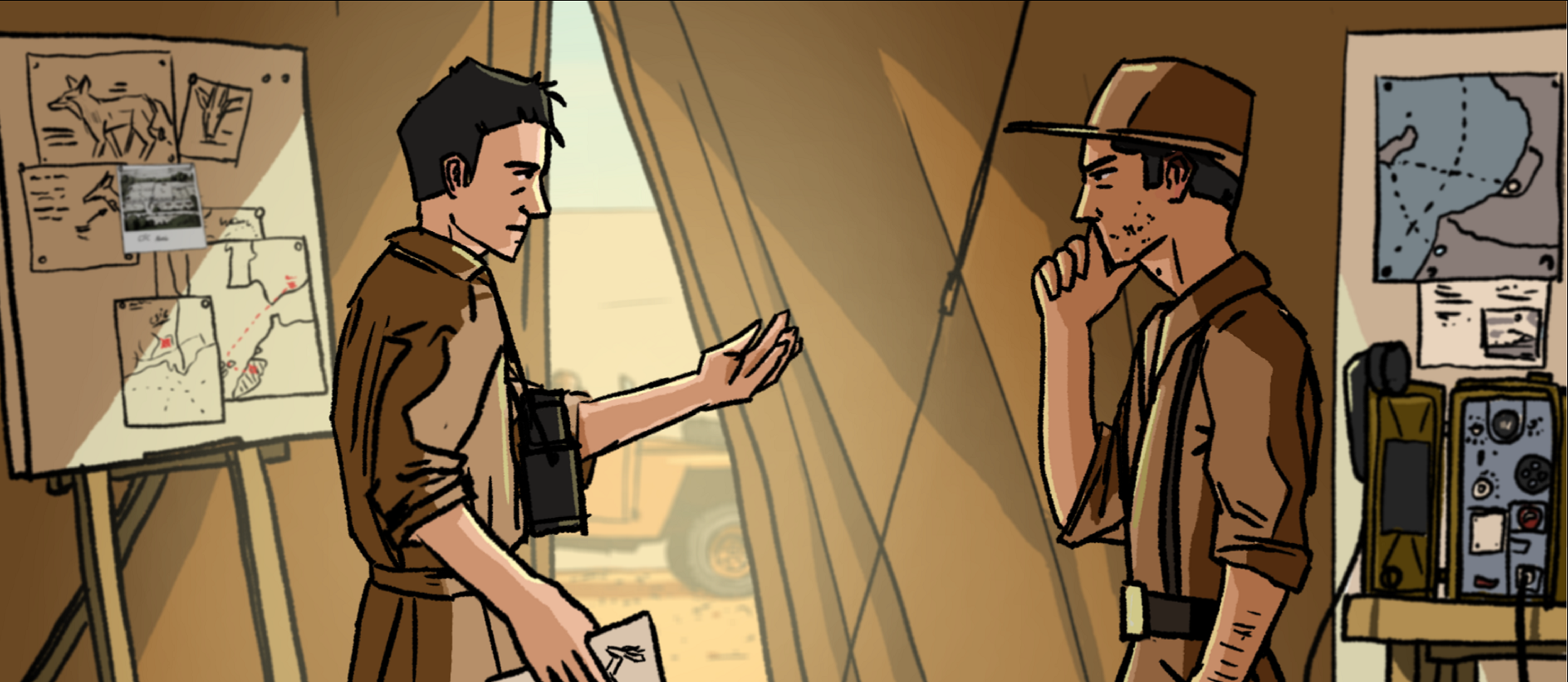
In 1971, in the midst of the war in the Western Sahara region, a group of enthusiastic conservationists, led by the scientist José Antonio Valverde, devised what ultimately became known as "Operation Mhorr". Upon discovering that the Saharan fauna was being exterminated and that some species, such as the mhorr gazelle, could become extinct, they conceived a rescue operation, which consisted on transferring specimens to the Acclimatization Institute of Almeria for their reproduction in captivity. To host them, the Saharan Fauna Rescue Park was created, where captive
breeding programs were carried out, thus ensuring their survival, and reaching a population size that has allowed developing various projects to reintroduce gazelles into their natural habitats over the years. Today, fifty years later and under the protection of the Spanish National Research Council (CSIC), the legacy of these pioneering altruists is still alive.
- Catégories Courts-métrages non verbaux et scientifiques
- Scénariste Luis Navarro
- Produit par CSIC Estación Experimental de Zonas Áridas (EEZA)
- Durée 7 Minutes
- Pays Espagne
- Année 2021
Montré dans
- Brésil
- Indonésie
- Malaisie
- Mali
- Mozambique