Past Workshops

2025


New Technologies in the VJ field

11.02 | Workshop | Online

Workshop on VJing and Immersive XR Technologies with Lisbon-based collective VJs Anonymous. This session explores the latest technologies in VJing and demonstrates how sound, light, and movement can be transformed into immersive and captivating visual experiences.

© Goethe-Institut

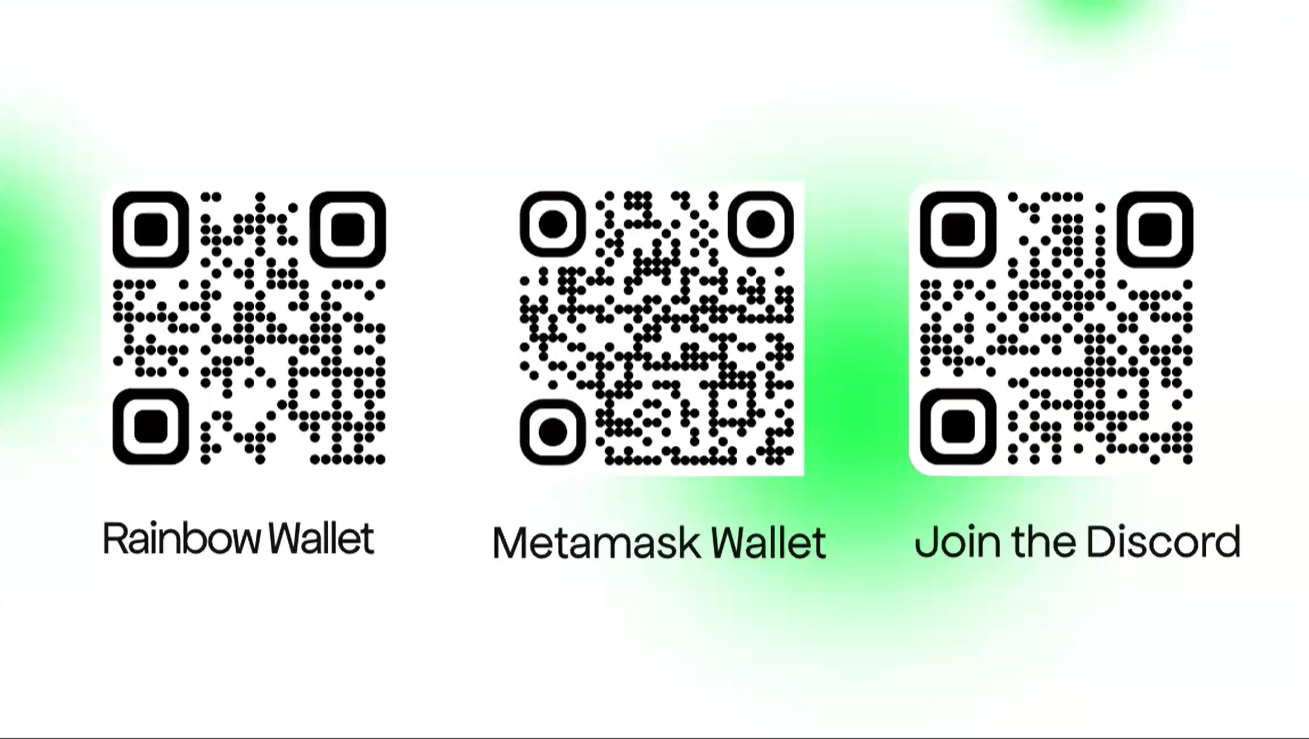
Kaitlyn Davies explains how Web3 is transforming online collaboration, allowing artists to manage their own resources without intermediaries—such as social networks (Facebook, Instagram), digital marketplaces (Etsy, Patreon), or tech companies that control artistic content distribution (Spotify, YouTube). The session also introduces DAOs (Decentralized Autonomous Organizations), which enable collective funding, shared decision-making, and new ways to monetize creative work.
Web3 Online Workshop | © Goethe-Institut

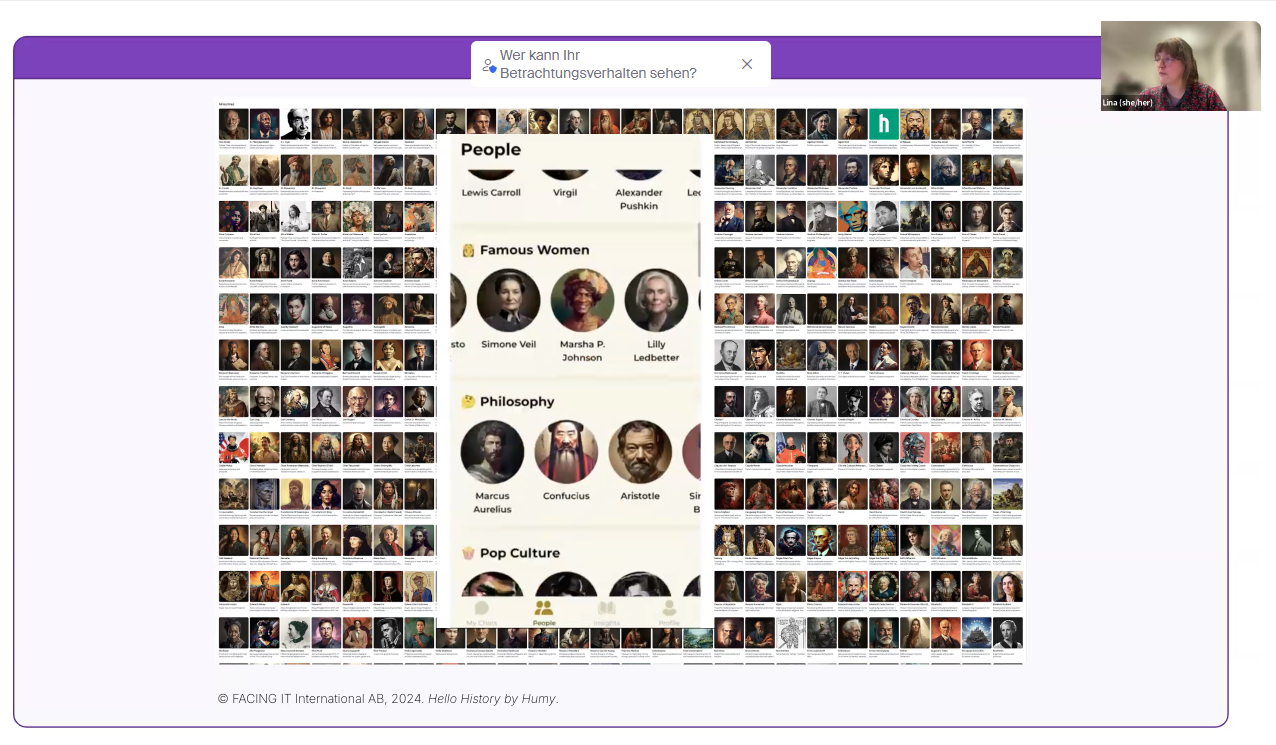
In this workshop, researcher Lina Harder  guided us through the world of AI-powered chatbots that simulate conversations with historical figures like Marie Curie or Vincent van Gogh. Together, we examined how in the context of museums, school curricula or private research these tools engage audiences, create imaginaries, and the potential risks they pose.

Lina Harder: AI meets History | © Goethe-Institut

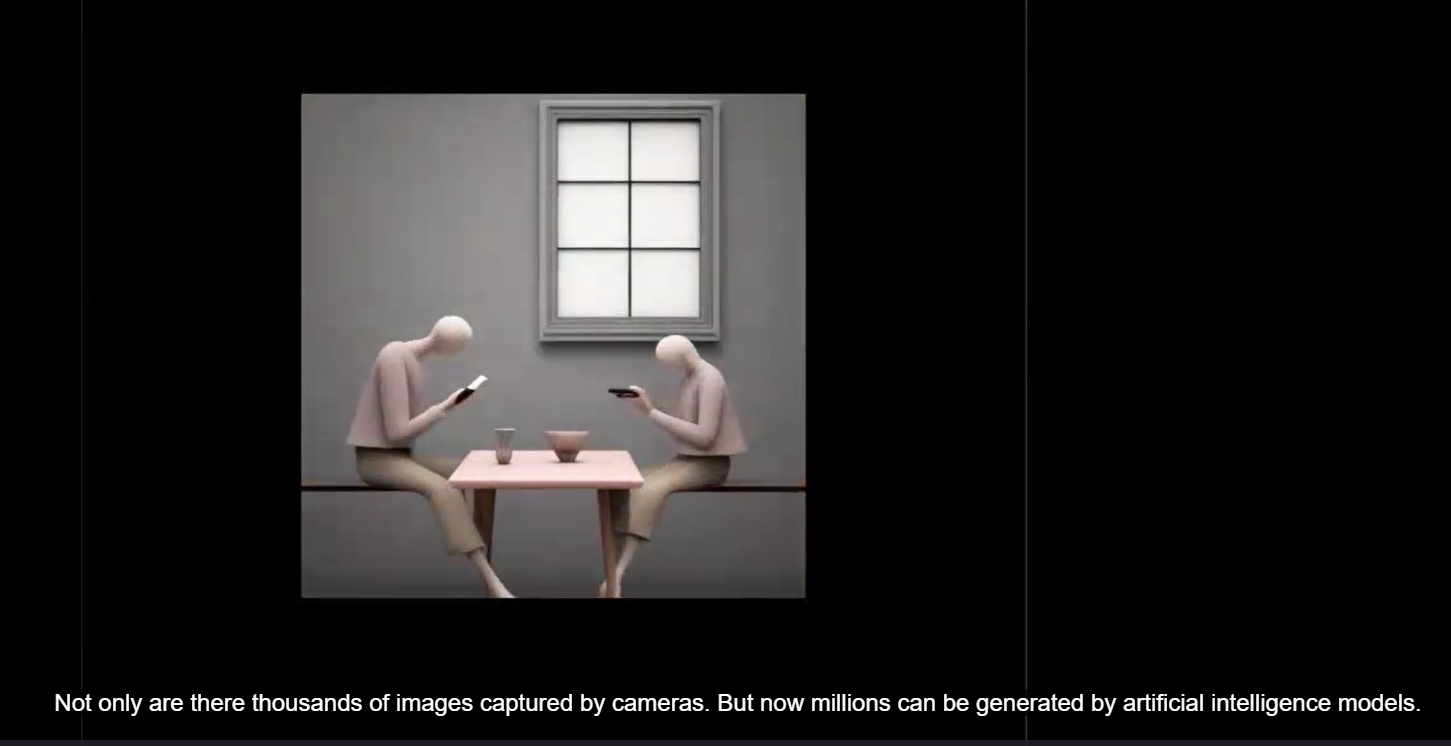
AI is redefining documentary filmmaking, introducing innovative tools that expand creative possibilities while also raising ethical concerns. From research and storytelling structure to image and sound generation, AI can be integrated at every stage of the filmmaking process, transforming how stories are uncovered, composed, and visually represented. But how do these advancements influence the role of filmmakers? And what ethical questions arise when AI is used to create narratives based on reality?

soon online | © Goethe-Institut

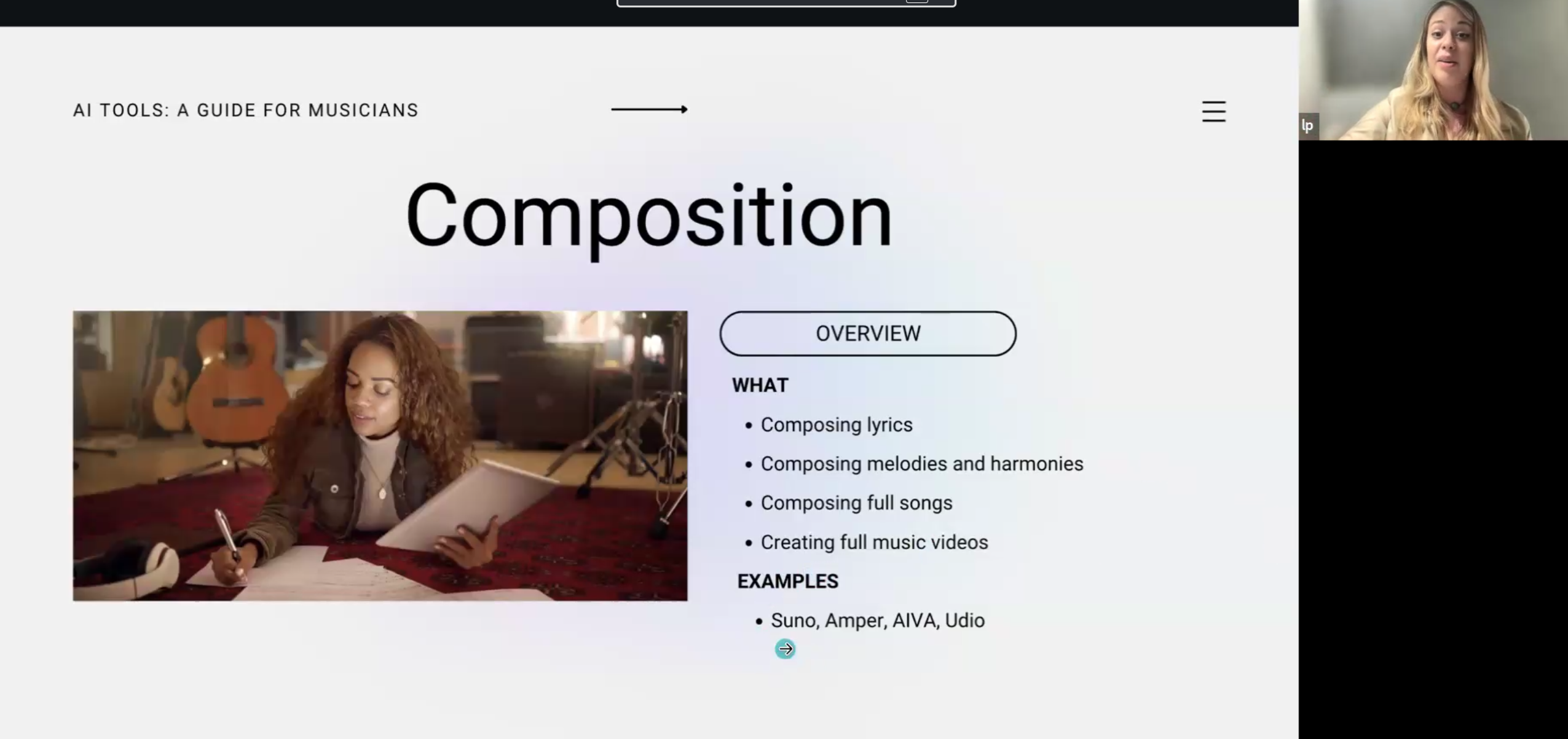
In this workshop, researcher, music producer, and DJ Lorny Pfeifer presented a guide to AI tools for musicians and artists, demonstrating how this technology can optimize workflows and be explored on a creative level.

© Goethe-Institut

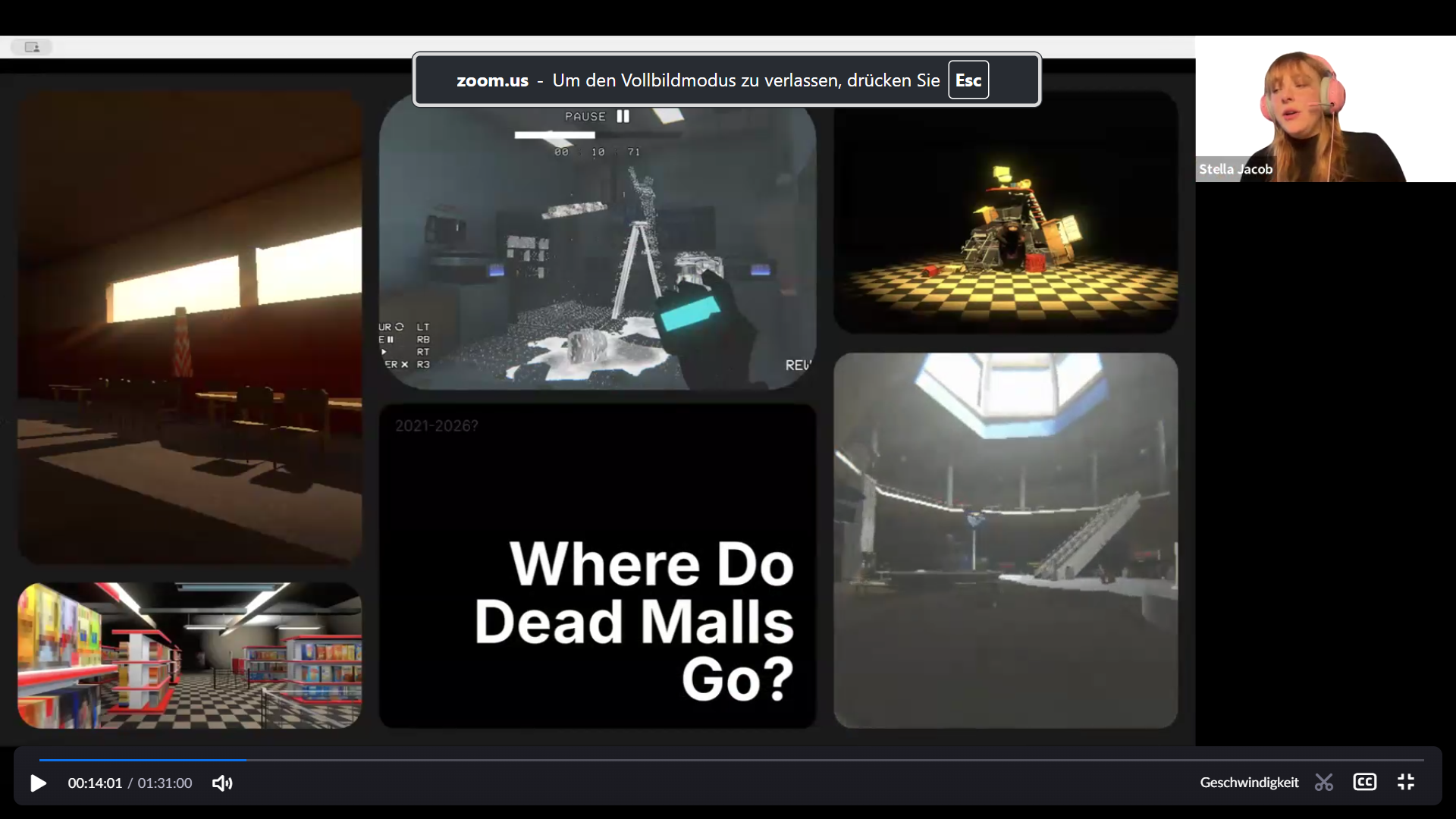
In this intense and innovative workshop, we explored with Stella Jacob how online games can function as micro-worlds where notions of power, justice and group coexistence are tested. Through their rules and systems, games can mirror, question or even criticise the way our society is organised - who makes decisions, how power is distributed, how people collaborate or are treated unequally.

We also learnt about accessible tools such as Twine, Bitsy, Godot and Decker (software that allows you to create games without the need for advanced programming skills).

Stella Jacob: Politics of gameplay | © Goethe-Institut

Weaving as a digital Language

13.05 | Workshop | Online

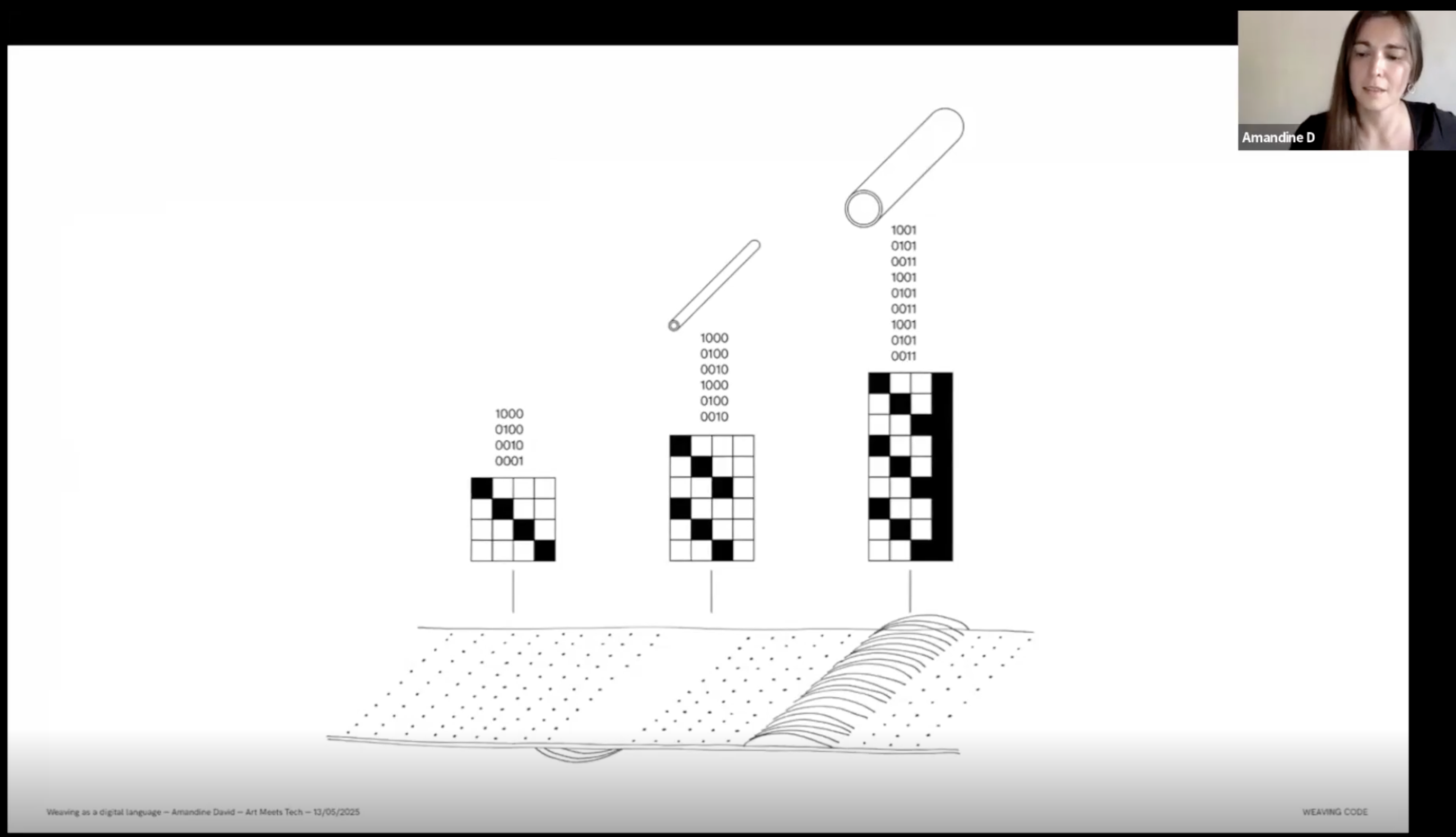
The Brussels-based designer Amadine David is exploring how the handicraft of weaving can be merged with digital technologies. In the session, she is showcasing her created artworks and how weaving is being used as a digital and visual language.
She also demonstrates how images can be transformed through different patterns with the help of the Open Source Software AdaCAD, and participants were invited to experiment with a practical example.

© Amadine David, Goethe-Institut

Voice, Data & creative (mis)uses image

27.05. | Workshop | Online

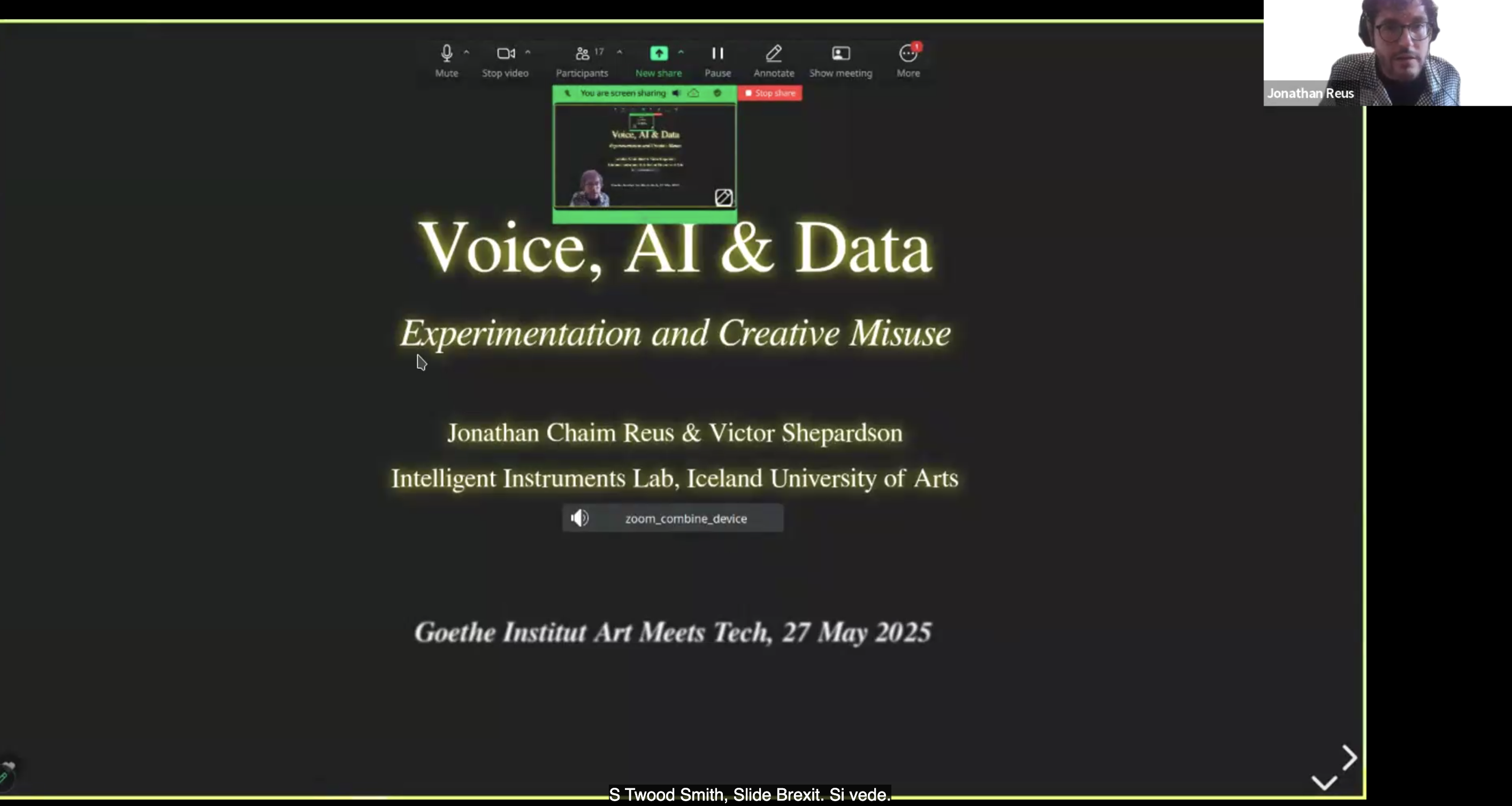
In this session, transdisciplinary musician Jonathan Reus explores the cultural, scientific, and ethical dimensions of the creative misuse of “voice data.” He gets to the root of the issue and also discusses the effects of misuse in the creative field. He introduces the digital instrument Tungnaá, which is currently being developed at the IIL and makes voice synthesis playful and hackable.
 

@Jonathan Reus, Goethe Institut

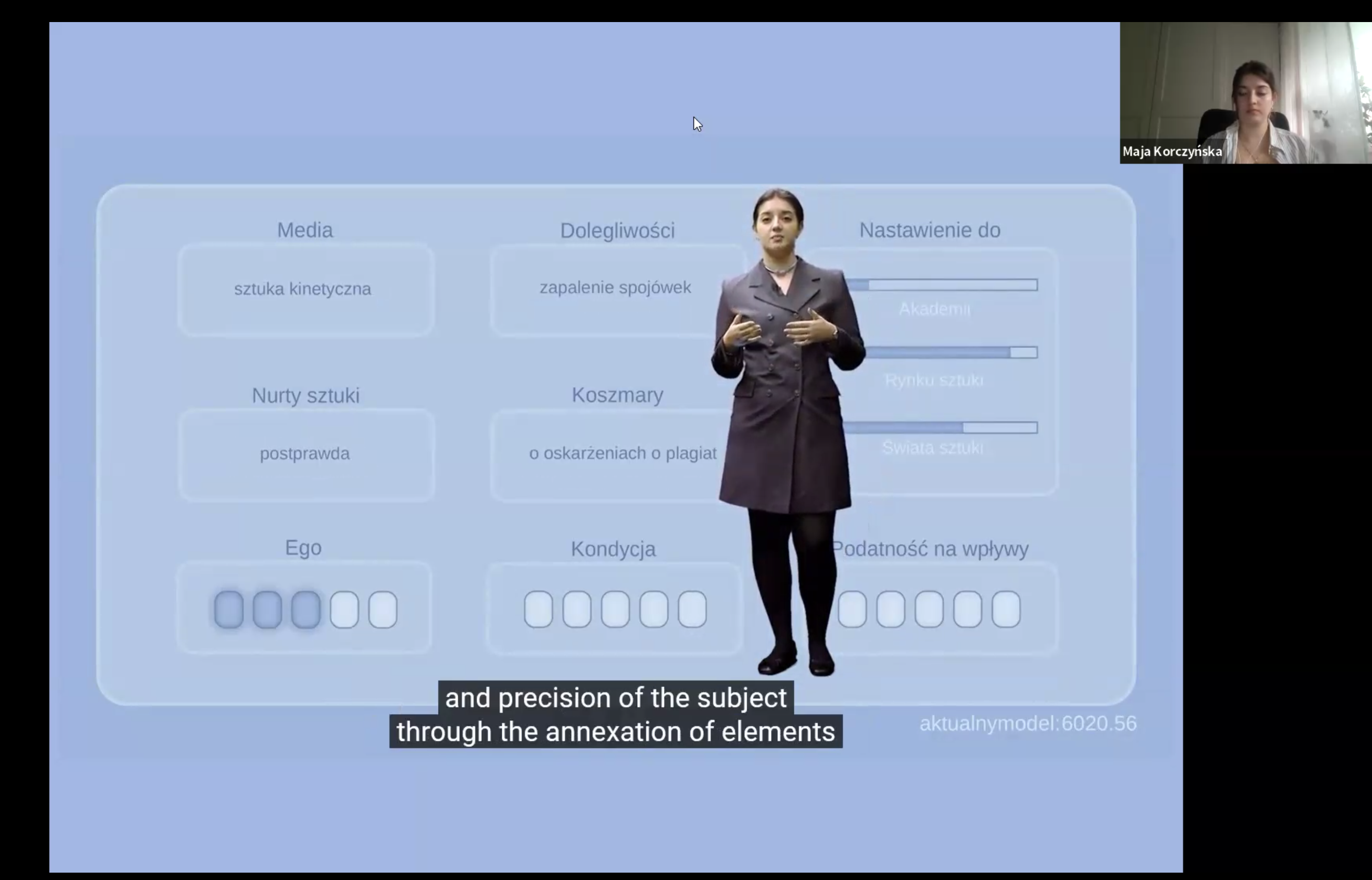
Maja Korczyńska delves into the topic of promptography and how AI can change self-image and visual storytelling. She presents her own work and uses three digital AI tools to show participants how portraits can be created and brought to life with the help of text input.

© Maja Korczyńska, Goethe-Institut

Science & art as a societal change-maker

09.09. | Masterclass | Online

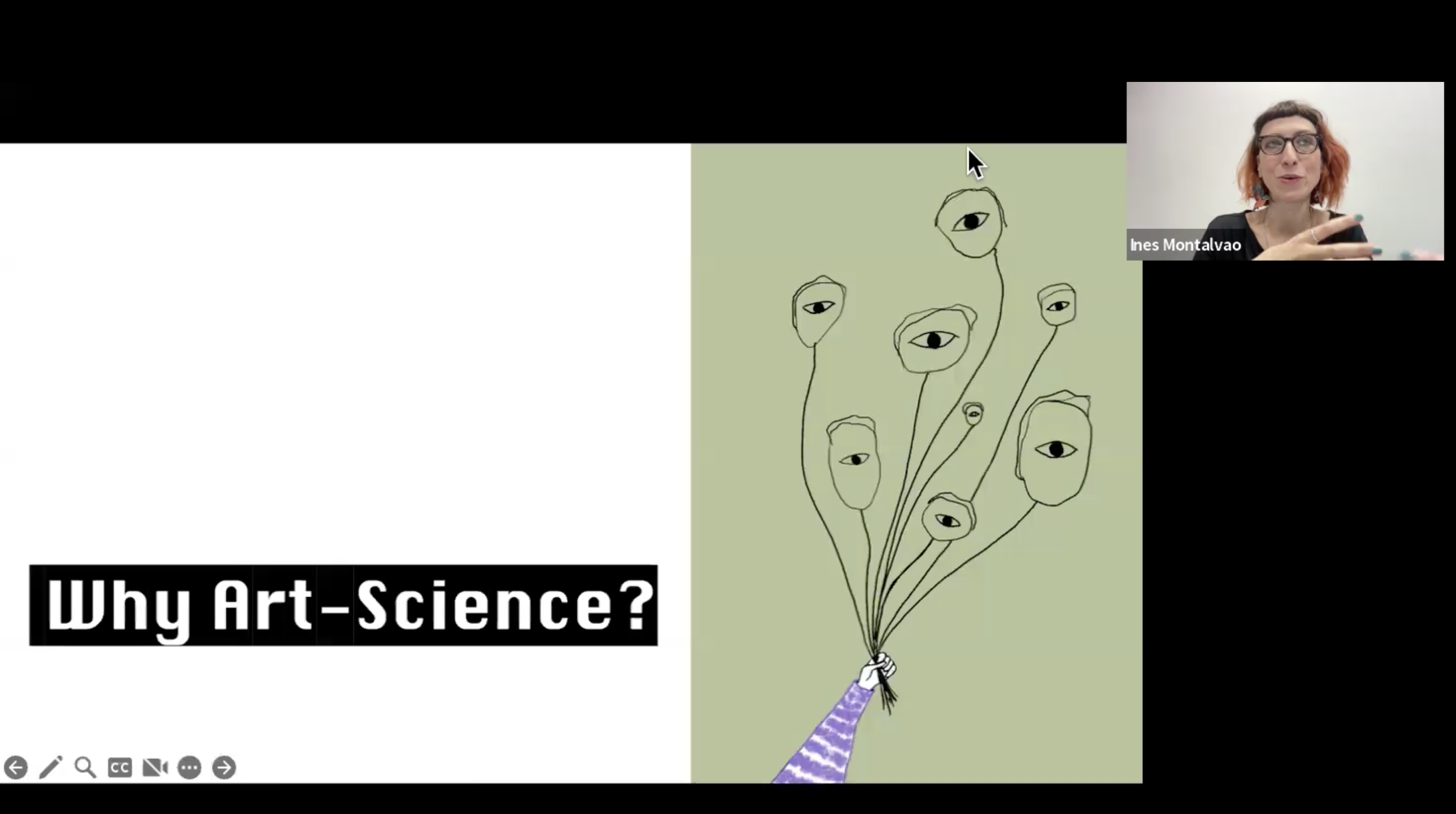
Inês Montalvão showcases how art and science can work hand in hand to educate and change a society. On real-life examples, she explains different ways of conveying scientific ideas based on the target audience, speaks about the power of collaboration in the process, and the importance of exhibition design and visual storytelling.

@Ines Montalvao, Goethe Institut

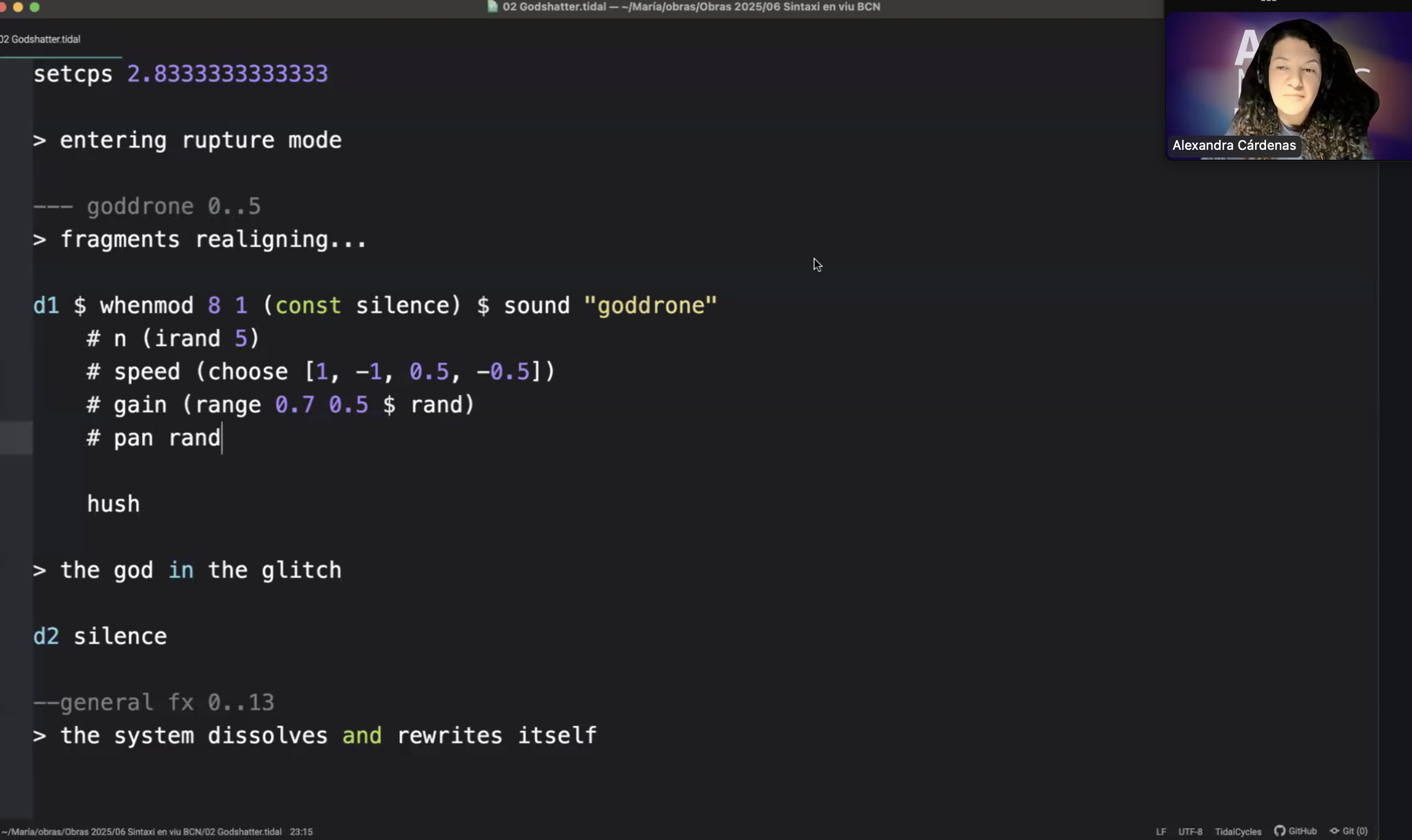
Alexandra Cárdenas presents her work as a live music programmer and shows how code can be used to compose pieces of music live. 
She works with the open source program “Strudel,” explains the basics of composing with code, and provides practical examples and exercises for participants. In addition to the practical part, she also talks about the live programming scene and its advantages.

@Alexandra Cárdenas, Goethe Institut

ARTificial: AI Performance Realms

14.10 | Workshop | Online

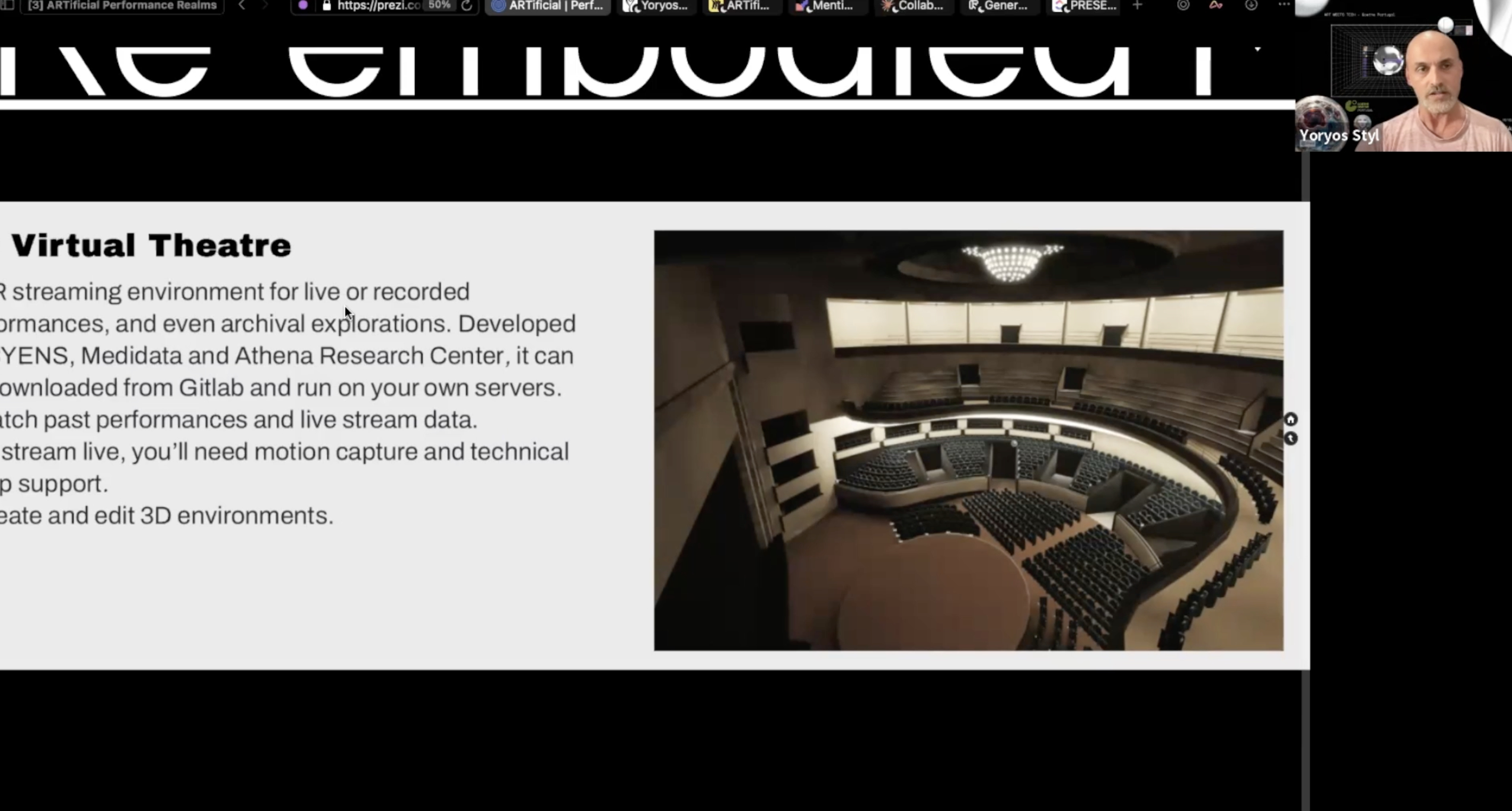
In this session, Yoryos Styl provides insides on how AI can be used as a collaborative partner in the world of performance art. He is showcasing some of his works, provides practical tools for the creation of performance art in collaboration with AI and also talks about the ethics of using artificial intelligence.

@ Yoryos Styl, Goethe Institut

Crafting the Digital

28.10 | Workshop | Online

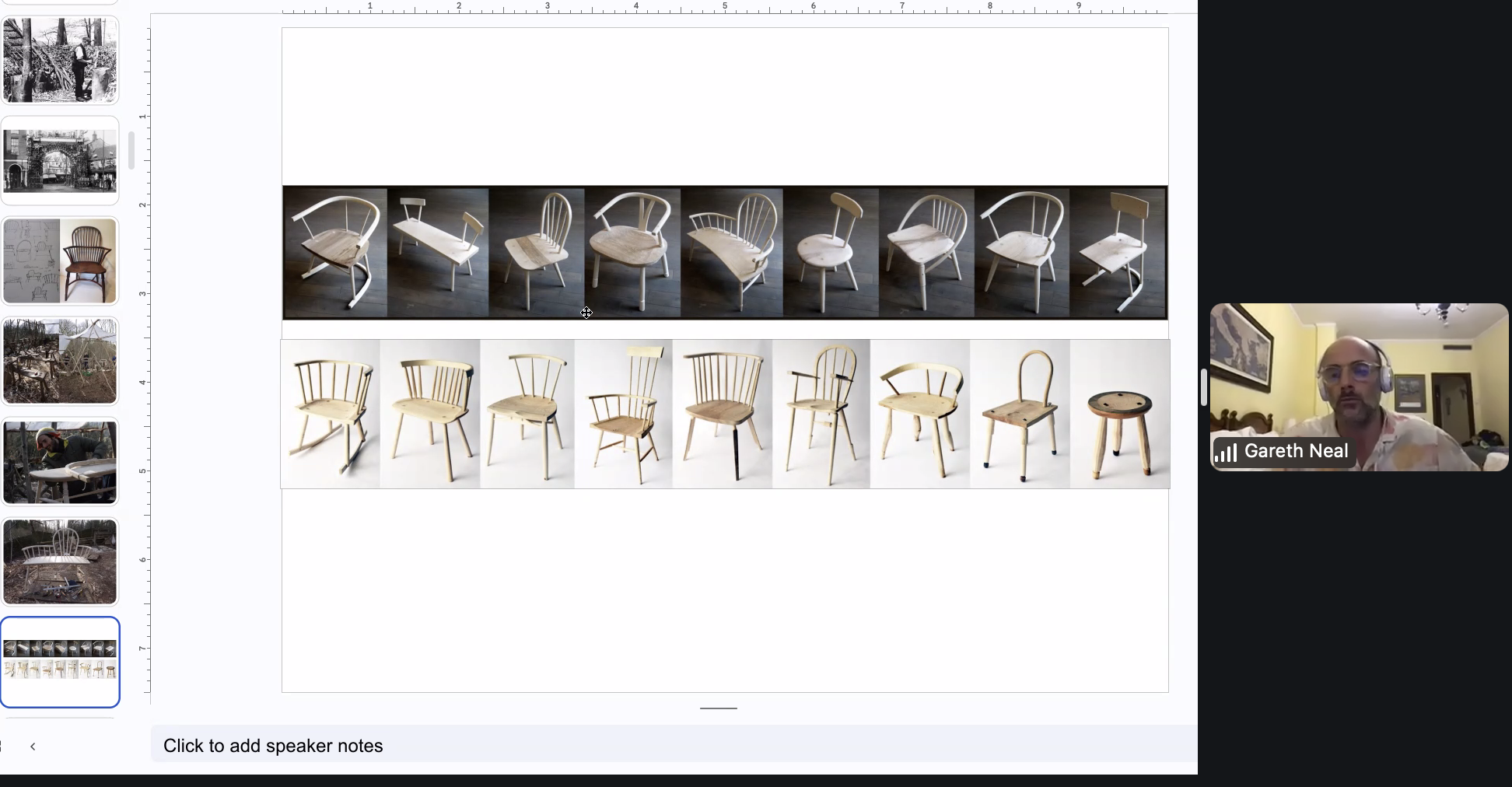
Gareth Neal introduces his body of work and speaks about the dynamic and ever evolving relationship between his love for crafts and the usage of technologies. Using his works as real life examples, he showcases how boundaries can be pushed and how technology can enhance the artistic process, when software is being used rather as a sketch book and as a playful element in the process of design.

© Gareth Neal, Goethe-Institut

Resonant Futures: Art, Tech, and Time

11.11. | Workshop | Online

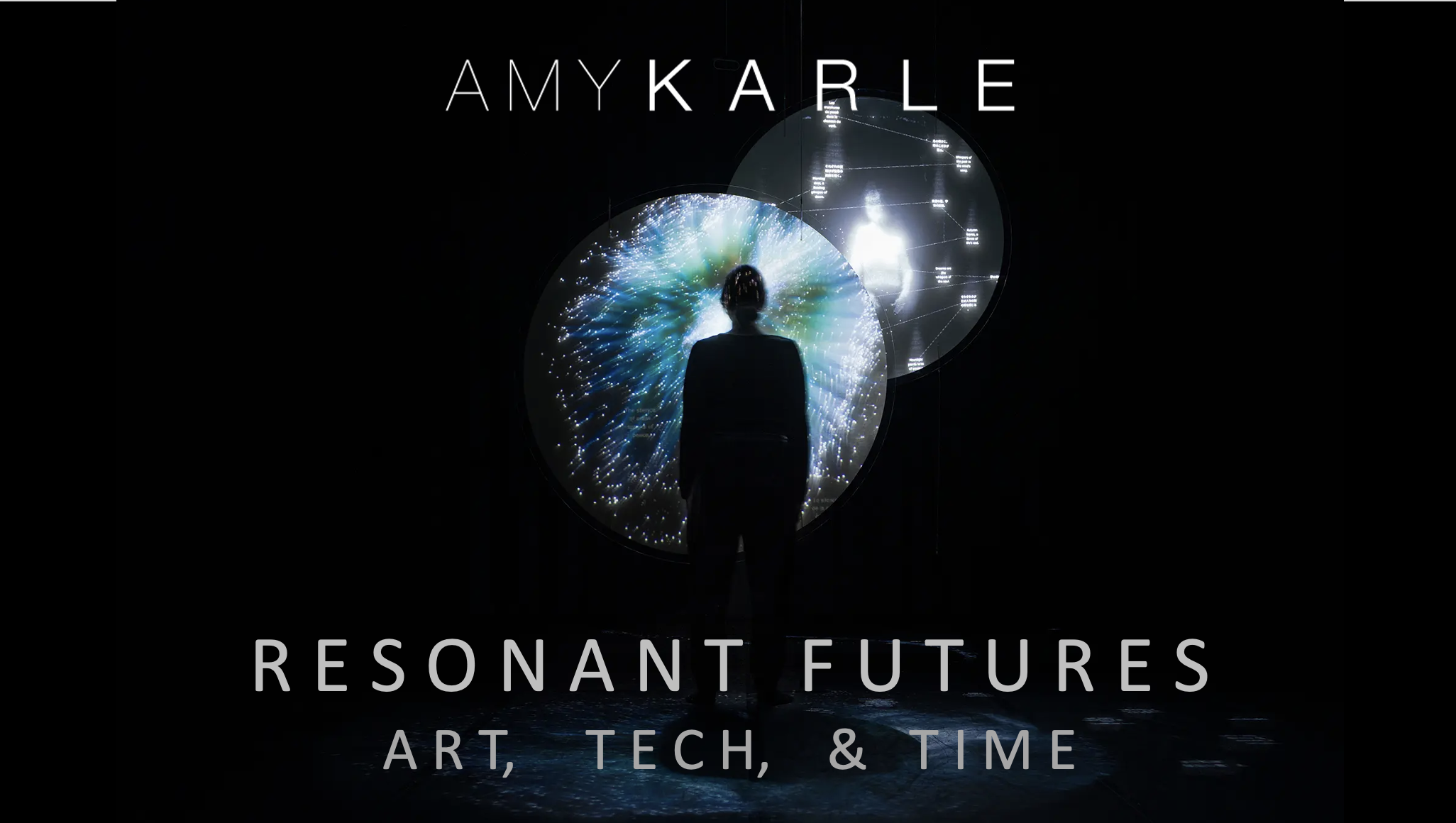
Visionary artist Amy Karle demonstrates how quantum systems, biodesign and AI can go hand in hand with art and new technologies. Through her impressive work, she demonstrates how human creativity and science merge to create compelling experiences around intelligence, consciousness and the future.
 

© Amy Karle, Goethe-Institut

Follow us