Das Goethe-Institut als globaler Vernetzer
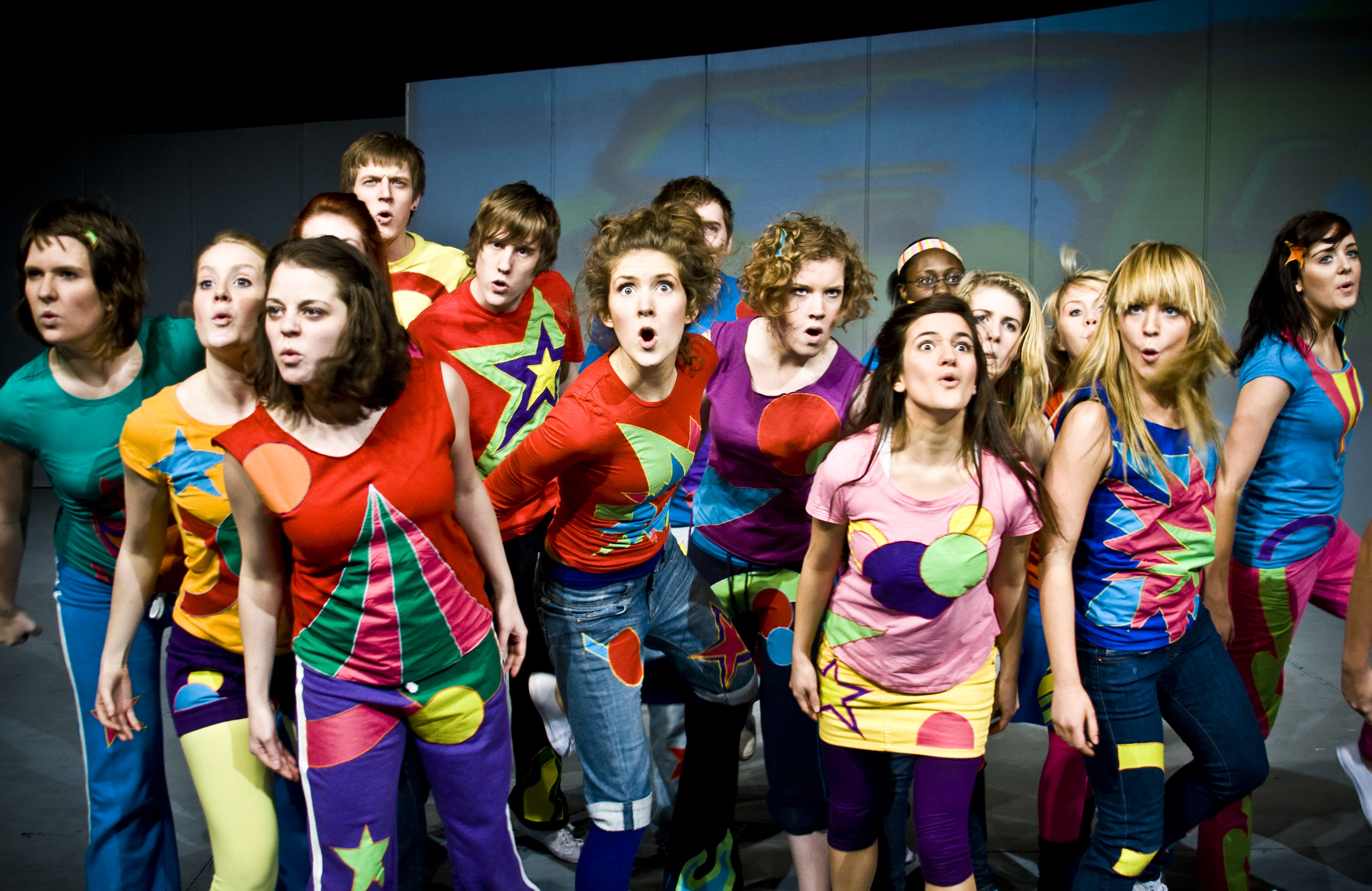
“After the Fall – Europe after 1989”
Twenty years after the fall of the Berlin Wall, the cross-border “After the Fall” theatre project explored the impact this upheaval had on Germany and on Europe: Sixteen playwrights in fifteen European countries write plays that reflect on the socio-political changes their home countries have undergone. Theatres involved in the project produced and premiered the plays in the fifteen countries from 2008 to 2010.
Photo: Richard Davenport
1/5
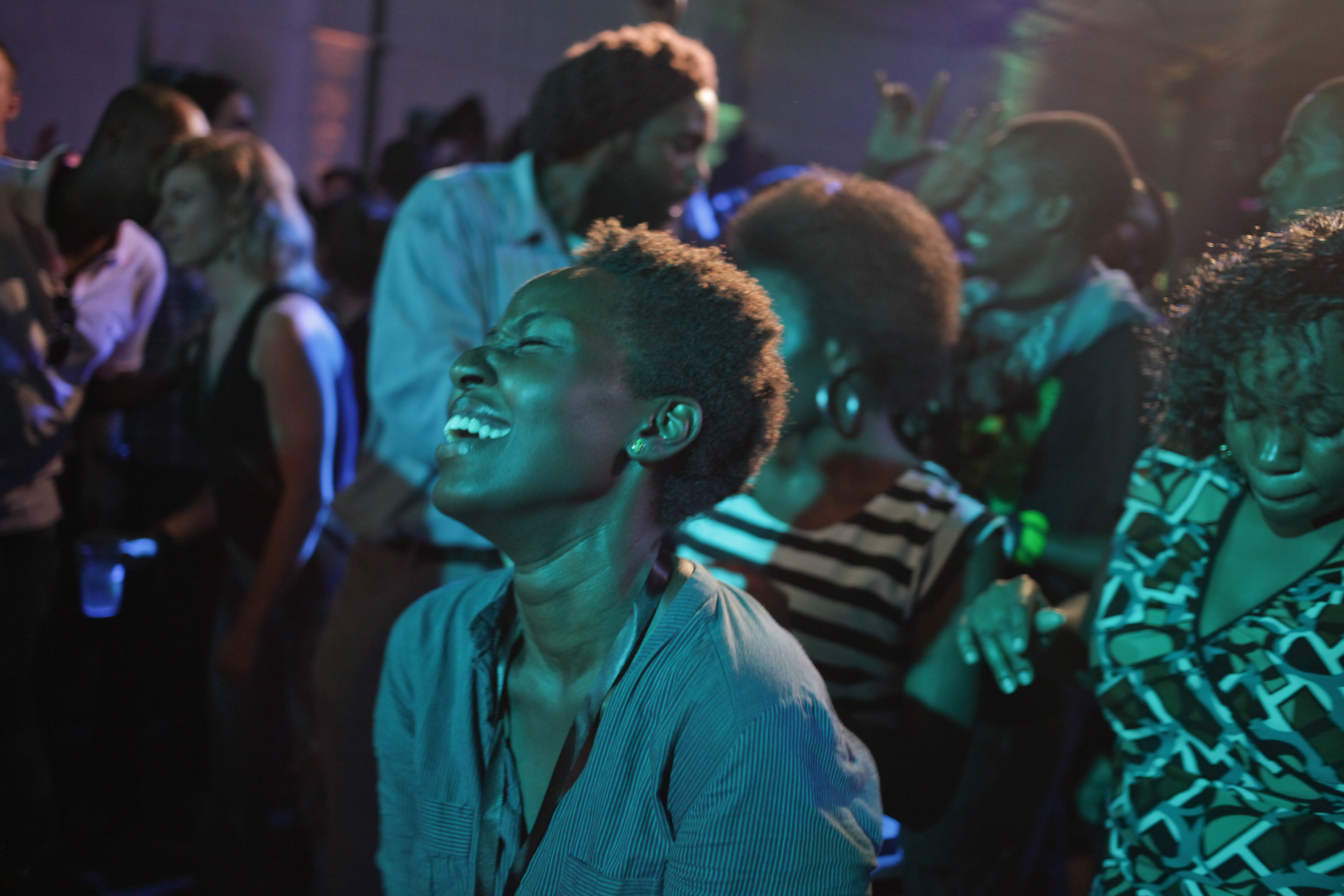
“Ten Cities”
The “Ten Cities” project explored nightclub culture in ten cities on two continents from different perspectives – musically, photographically, and scientifically. Starting in November 2012, around 50 DJs and music producers from Berlin, Bristol, Johannesburg, Cairo, Kiev, Lagos, Lisbon, Luanda, Nairobi and Naples came together in Africa and Europe to collaborate on music and talk about the club scenes in their countries. The results were featured at events, on a compilation of 19 tracks on the British Soundway Records label in 2014, and in a collection of essays published by Spector Books in 2021.
Photo: Paul Munene
2/5
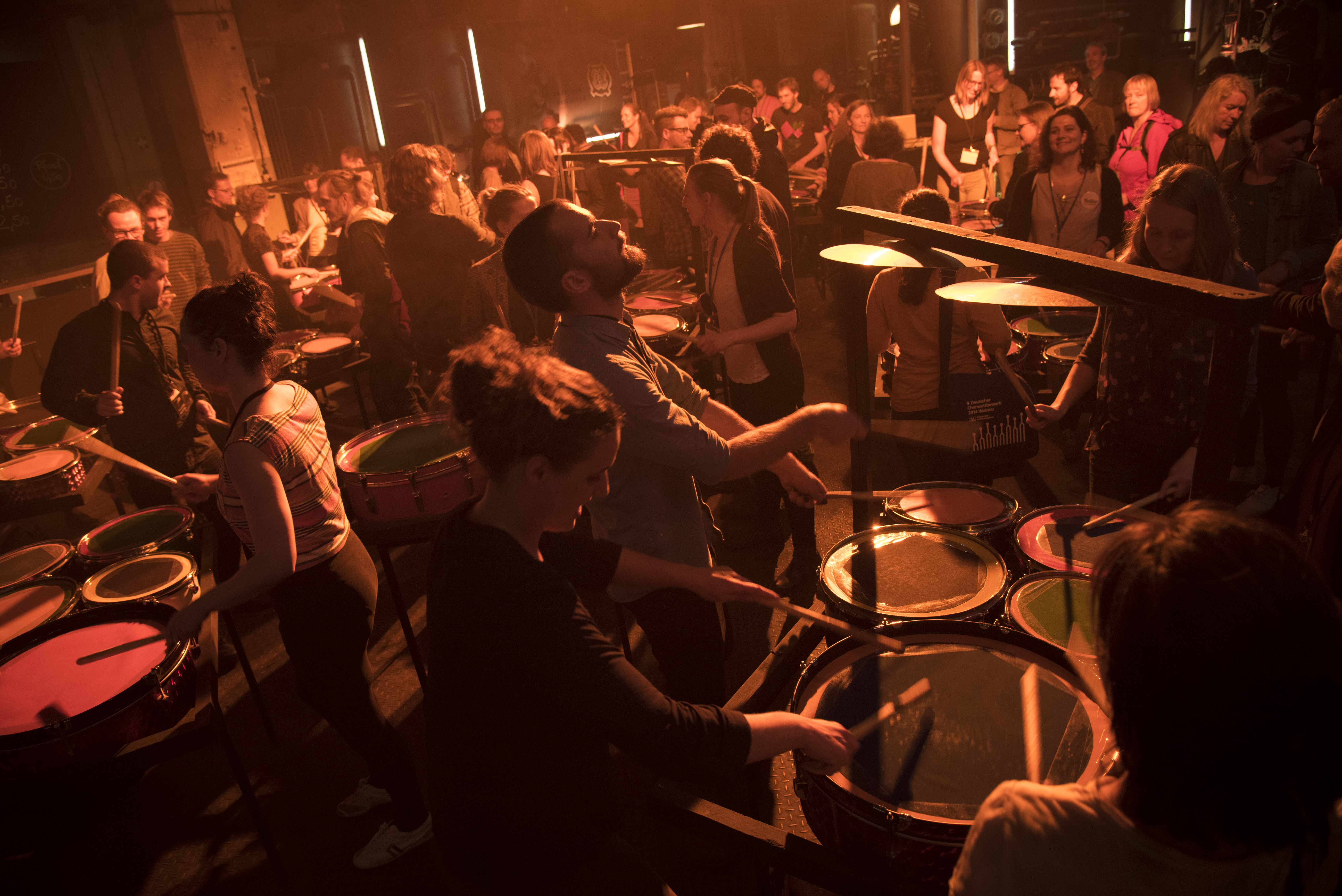
Kultursymposium Weimar
Since 2016, the Goethe-Institut has been bringing over 500 participants from all over the world to Weimer every two years to take part in the Kultursymposium Weimar global networking festival. Interdisciplinary and diverse, Kultursymposium Weimar reflects global discourses in all their multiplicity, providing fresh impulses for international cultural exchange. In 2021, the symposium entitled “Generations” took place largely in the digital realm due to the Corona-19 pandemic.
Photo: Cordula Flegel
3/5
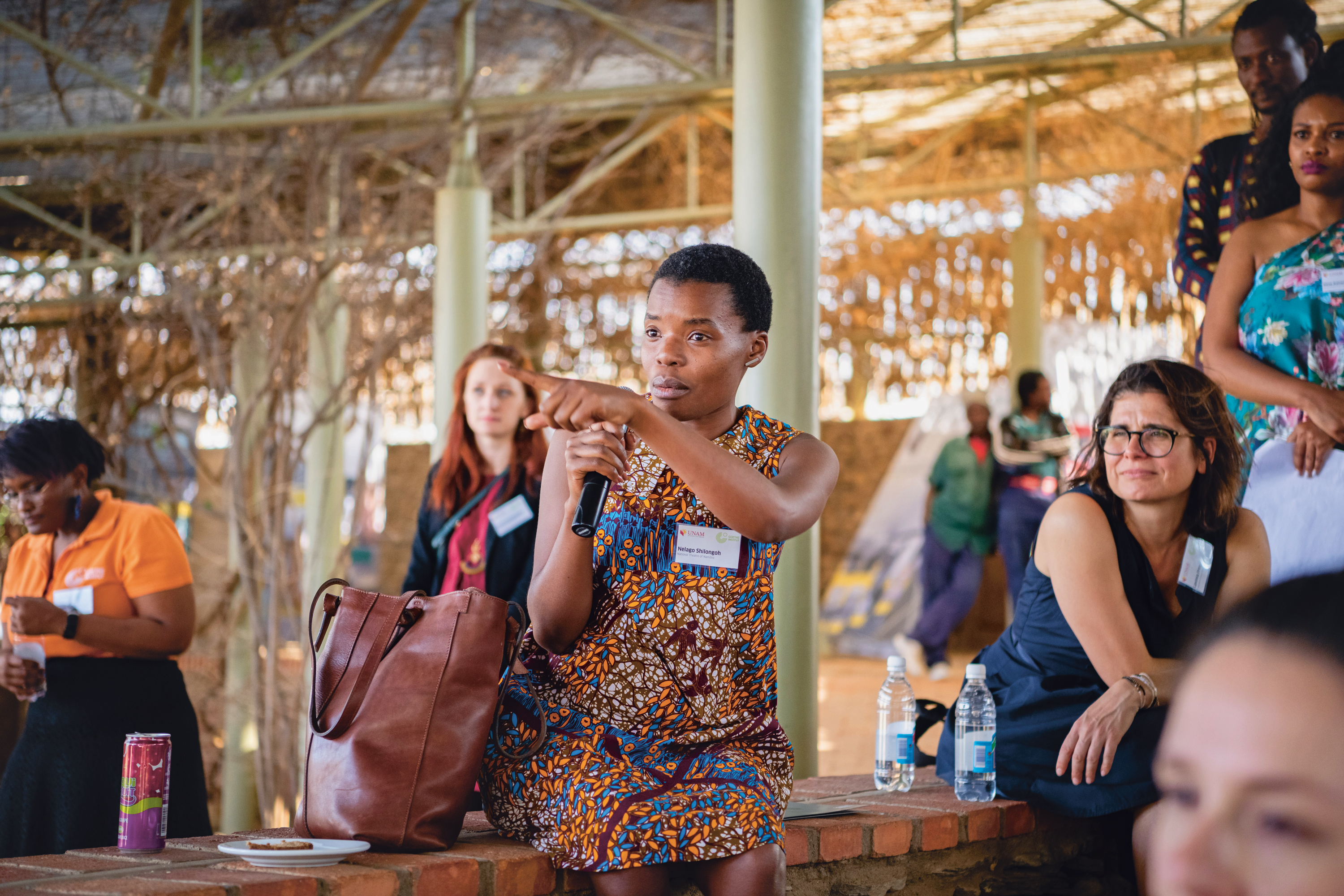
“Museum Conversations”
In the “Museum Conversations” series, the Goethe-Institut brought international museum experts together to jointly develop Africa’s museum of the future. The multi-day meetings of curators, artists and historians created an intra-African network of regional and international museum professionals. They took place in seven African countries: Rwanda, Burkina Faso, Ghana, Nigeria, Tanzania, the Democratic Republic of Congo, and Namibia. The photo is from the final “Museum Conversations” conference in Windhoek 2019.
Photo: © CreativeLab for Goethe-Institut Namibia
4/5
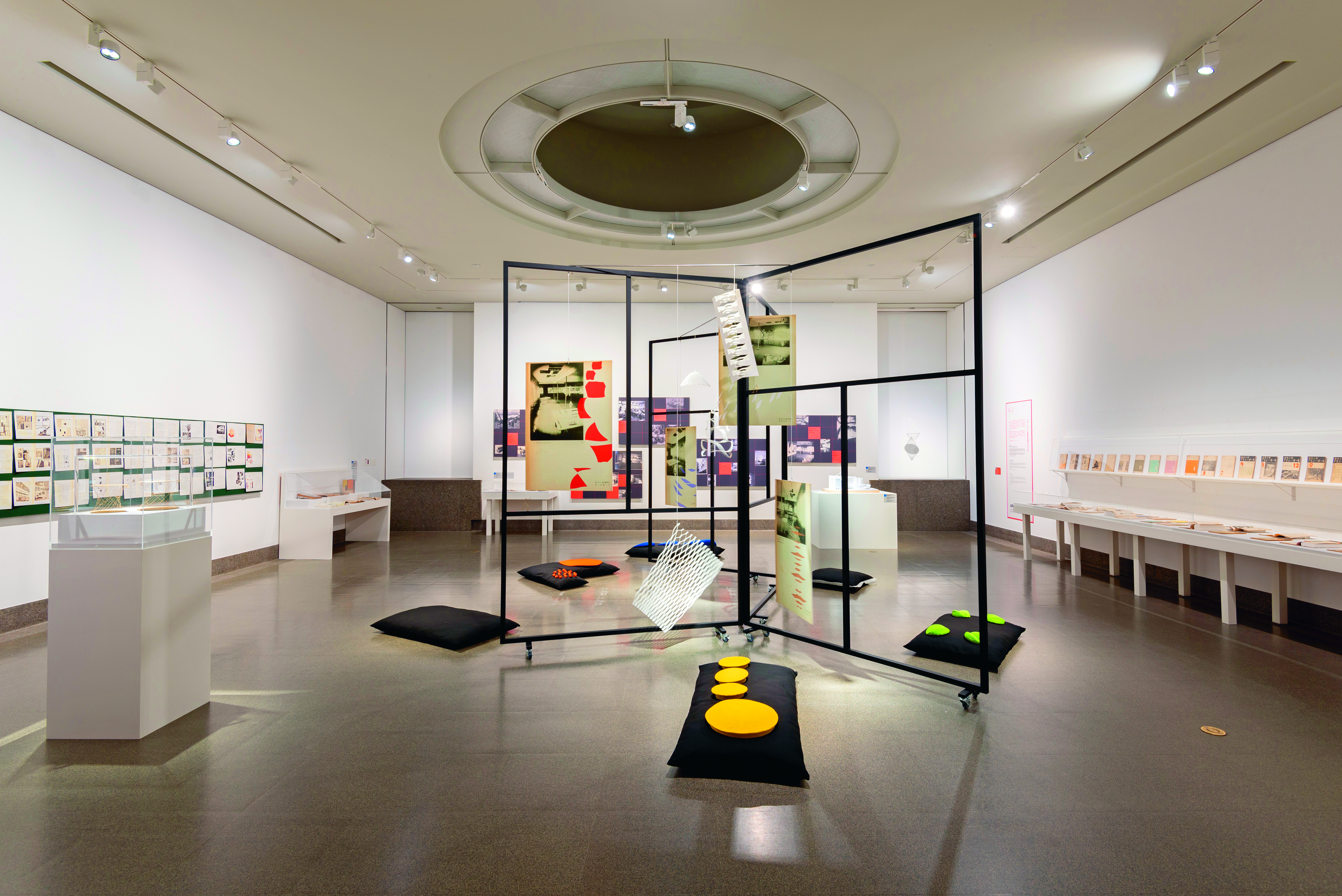
“bauhaus imaginista”
“Bauhaus imaginista” showcases the history of the Bauhaus and its international impact and reception against the backdrop of geopolitical changes in the 20th century. Starting in March 2018, exhibitions, symposia, and workshops were held in Rabat, Hangzhou, New York, Kyoto and Tokyo, Moscow, São Paulo, Lagos, and Delhi in collaboration with local institutes and partners. The results are brought together in an exhibition held in the Haus der Kulturen der Welt in Berlin in 2019.
Photo: Yuki Moriya
5/5