Yalla Sawa building togetherness

Yallah Sawa © Goethe-Institut Jordanien

As part of the “Building Togetherness” call, 18 Yemeni artists and cultural practitioners were selected by a jury composed of Yemen Creative Hubs consortium partners and external experts. Between 2024 and 2025, they implemented artistic and socio-cultural projects across Yemen. Each project reflect the essence of “Building Togetherness”—exploring the diverse ways in which culture, art, and communities come together to connect, collaborate, and create.
  • Our Stories Together

    "Our Stories Together" is a heartfelt and creative project that brings together blind and sighted children through a shared interactive storytelling experience. Designed for children aged seven to ten, the initiative focuses on fostering empathy, cooperation, and inclusion from an early age.

    A specially designed storybook in Braille and print, features tactile illustrations, audio effects, and scents, creating a multi-sensory reading experience. Two interactive reading workshops are held, where children engage with the story side by side, learning from one another, and connecting in a supportive and imaginative environment.

    Printed copies of the story are distributed to schools serving both blind and sighted children, ensuring continued access to inclusive educational materials. Beyond the story itself, the project contributes to shifting perceptions, encouraging meaningful interaction, and highlighting the importance of accessible content in shaping a more inclusive society.

  • Habwah 2

    "Habwah 2" is a cultural initiative based in Hadhramaut, Yemen, aiming to spotlight the work of young Yemeni artists under the age of 45. As a continuation of the successful Habwah 1 project, this second phase expands its focus to include a broader range of artistic fields such as applied arts, sound arts, and performing arts.

    Through a dedicated mobile application, "Habwah 2" provides a digital platform where artists can showcase their work, connect with cultural institutions, and access free professional opportunities. As of March 2025, the platform features more than 400 registered artists and over 1,700 artworks, making it one of the most comprehensive artist databases in Yemen.

    The project supports creative youth by improving visibility, fostering collaboration, and contributing to economic empowerment — all while preserving Yemen’s rich artistic heritage. By offering features like a searchable artist directory and real-time opportunity notifications, Habwah 2 helps bridge the gap between artists and the cultural sector, both locally and internationally.

  • I Am an Artist

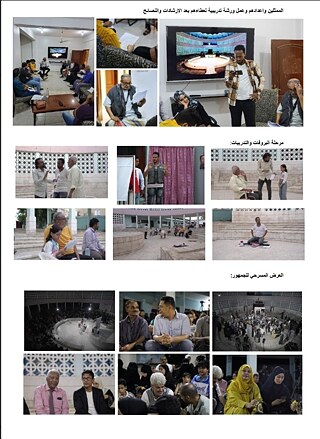
    "I Am an Artist" is a youth-led theater production from Hadhramaut that brings together a vibrant group of emerging artists to explore identity, creativity, and the role of art in society.

    This production serves as a creative platform for young Yemeni artists to showcase their talents, collaborate across disciplines, and express their personal and collective experiences through performance. The project aims to empower youth in the performing arts scene and spark conversations around artistic identity and expression in the local context.

    "I Am an Artist" reflects the spirit of collective creation and highlights the importance of supporting performing arts as a tool for social engagement and cultural resilience.

  • Shawha

    In a country facing the challenges of ongoing conflict, opportunities for safe and open artistic expression are limited. "Shawha" was developed in response to this need, providing an alternative cinematic screen and an independent, safe space for filmmakers and artists in Yemen.

    The project’s pilot phase is implemented in Aden and features two public events, including the city’s first-ever experimental art exhibition, Ashes of Light. The event draws a diverse audience primarily young creatives and created a dynamic space for dialogue on cinema, visual arts, and storytelling.

    The initiative brings together artists, photographers, writers, actors, and cultural practitioners, many of whom are connecting for the first time. Beyond presenting their work, participants engage in conversations about their experiences, challenges, and aspirations, creating a platform for perspectives that are often excluded from mainstream narratives.

    Although experimental art is still emerging in Yemen, "Shawha" demonstrates a strong appetite for authentic, innovative, and boundary-pushing artistic expression. The events generated enthusiasm, encouraged reflection, and fostered a collective desire for continued opportunities of this kind.

    "Shawha" underscores the continued relevance of art as a tool for expression and connection and opens the door to future possibilities for cultural engagement and creative exchange.

  • Exceptional Podcast

    This initiative emerges from a clear need for a space where young people can express themselves through sound in a meaningful and professional way. In a context where modern tools of expression remain limited, the project sets out to cultivate a new generation of content creators capable of fostering cultural and social dialogue rooted in their lived experiences.

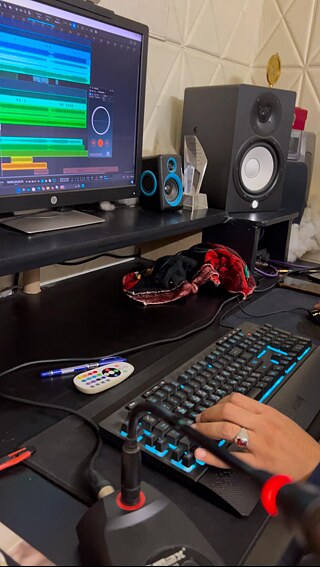
    Across ten days of intensive training, artists and cultural practitioners explore the full process of podcast creation  from concept development and storytelling techniques to technical production and audience engagement. The programme goes beyond technical training, encouraging participants to find and refine their unique voices and consider how their work could contribute to wider social conversations.

    The training culminates in public events featuring live podcast recordings, which create opportunities for dialogue, audience interaction, and immediate feedback. Out of this experience emerges the podcast series “Extraordinary Women,” a collection of stories highlighting Yemeni women’s resilience and creativity, demonstrating the transformative power of narrative when told from within the community.

    Following the project, a connected and collaborative network of independent podcasters begins to take shape. These young creators remain committed to producing content that reflects their identities and priorities. The initiative is designed not as a one-off intervention but as a starting point for a longer process of creativity, continuity, and change grounded in the belief that even one voice can inspire impact.

  • Sign and Color 2

    "Sign and Color 2" is a socio-artistic initiative designed to foster community inclusion and meaningful communication between the deaf and mute community and hearing artists. Using both visual art and sign language as parallel tools, the project creates a shared space for creative expression and cultural dialogue.

    The initiative centers on a series of collaborative sessions where participants explore pressing social issues and transform them into visual artworks reflecting both personal and collective experiences. Each artwork is presented with sign language interpretation, enabling audiences to engage with the pieces through visual and linguistic dimensions simultaneously.

    At its heart, the project provides deaf and mute individuals with a platform to express themselves through contemporary artistic practices while facilitating their active participation in the local cultural scene. By combining art and sign language, it challenges conventional barriers to communication and inclusion, turning artistic creation into a shared language that connects communities.

    Through this approach, "Sign and Color 2" reimagines art as an inclusive medium and demonstrates how marginaliseed voices can enrich cultural conversations when given accessible and innovative platforms for expression.

  • The Boy Wants

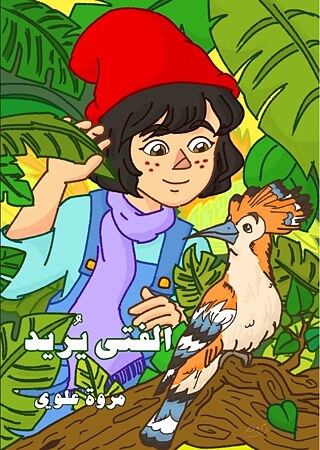
    "The Boy Wants" is an illustrated children’s book project that explores, in both literary and visual form, the emotional world of the child and his right to self-expression, choice, and imagination beyond the limits of societal expectations.

    Through a poetic and accessible narrative, the book encourages emotional awareness and empowers children to voice their feelings. Each page is paired with carefully designed illustrations that translate emotions into a visual language appropriate for young readers, allowing them to connect with the story on multiple levels.

    The project involves developing the text and illustrations in parallel, creating a unified experience where words and images complement one another. Physical copies are printed and launched at a dedicated event that brings children and their families together. The launch features live storytelling and an open discussion, giving children the space to respond, share, and reflect on the themes of the book.

    "The Boy Wants" positions the child not just as a reader but as an active participant in the cultural dialogue. It represents a renewed approach to children’s literature one that listens to the child’s voice and celebrates freedom, imagination, and the right to choose.

  • Family Frame

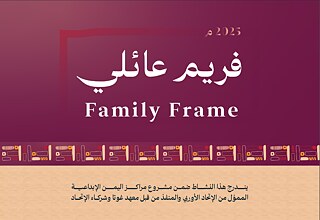
    "Family Frame" is a community-based cultural initiative that documents the evolving structure of Yemeni families through visual storytelling and collective memory. By gathering old family photographs and pairing them with personal narratives, the project preserves intergenerational stories that capture key historical, emotional, and social moments in Yemen’s family life.

    At the heart of the initiative is an interactive exhibition that showcases a curated selection of photographs submitted by Yemeni households. Each image is accompanied by a written story, offering insight into personal experiences, societal transformations, and defining milestones in family life. The exhibition creates a reflective space where visitors engage with the material and reconnect with their own family histories.

    To deepen the dialogue, the project also hosts a series of public discussions exploring how the Yemeni family has transformed over time, including shifts in household roles, and the impact of political, economic, and social change. These sessions bring together researchers, storytellers, and participants from multiple generations, fostering meaningful intergenerational exchange.

    To ensure lasting impact, a printed booklet compiling selected photographs and narratives is produced, serving as a cultural archive and public resource. This documentation not only preserves the project’s outcomes but also invites continued reflection on the family’s role in shaping collective identity and memory.

    Through its focus on the family photograph as a social document, Family Frame provides a platform for community participation and highlighted the importance of shared memory in understanding belonging, identity, and continuity across generations.

  • The Liwa Dance project

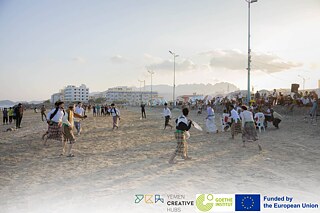
    This project focuses on preserving Yemen’s authentic cultural heritage, which is at risk due to ongoing conflict, loss of human resources, and the depletion of artistic archives. It highlights the Liwa dance as a vital element of Aden’s cultural identity through collaboration with local folk dance groups.

    The initiative aims to deliver an accurate and comprehensive presentation of the Liwa dance, drawing on the expertise of members from longstanding dance troupes. It soughts to safeguard the dance’s originality, known for its vibrant colors and rich traditions, while addressing challenges such as blending with other dance forms and the gradual incorporation of modern elements.

    The project is committed to ongoing activities that protect and revitalise the traditional heritage of Aden, recognising it as an integral part of Yemen’s cultural identity and ensuring that this legacy is passed down to future generations.

  • Hakawi

    The “Hakawi” project documents intangible cultural heritage in Hadramout Governorate by highlighting the stories and experiences of four grandmothers practicing traditional crafts such as palm weaving (in Arabic: sufif), pottery, artistic date packaging, and Hadrami cookie making.

    Field interviews are conducted in the grandmothers’ homes and native areas, with testimonies recorded visually and audibly. The project presents these stories in a lively narrative form, reflecting the grandmothers’ voices authentically — without embellishment or artifice — and preserving their language, style, and emotions.

    By capturing these practices, the project provides a vital link to preserve heritage in its original form, maintaining the living memory and oral history of crafts that are rarely documented elsewhere.

  • Colorful Fingers

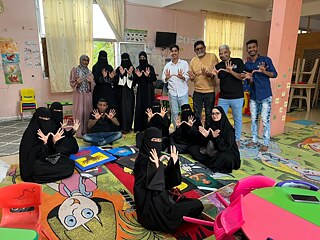
    "Colorful Fingers” is a creative artistic initiative that nurtures young artists by providing opportunities to express their dreams and emotions through drawing and coloring. The project supports children in discovering and developing their unique artistic skills, fostering creativity, self-confidence, and personal identity.

    Through structured training sessions and practical workshops, participants explore various drawing techniques, shading methods, and color mixing skills using materials such as pencils, crayons, and colored pencils. The project creates an inspiring environment that encourages individuality and freedom of expression, allowing each child to reflect their personality in their artwork.

    The initiative demonstrates measurable growth in artistic abilities and emotional expression, serving as a meaningful platform for artistic discovery and personal development for young creators.

  • Sawt Sa’ud

    Launched in November 2024, "Sawt Su’ad"  is a cultural and media initiative focuses on revisiting and reinterpreting traditional Yemeni proverbs. Recognising that some commonly used sayings carry outdated or negative connotations, the project highlights alternative interpretations that promote positive societal values and constructive thinking.

    Following extensive research to identify widely used proverbs, with particular attention to those that influence perceptions of identity, gender, or community norms, rephrased and more inclusive versions of selected proverbs are developed in close collaboration with cultural consultants, writers, and local community members, which aim to open up perspectives and invite to dialogue.

    A podcast series is produced in collaboration with local creative and technical professionals at the Mukalla Creativity Center. The series is broadcast on Mukalla Radio and shared online via YouTube and Instagram, reaching a wide audience and generating over 12,000 engagements.

    By presenting proverbs through a critical and creative lens, "Sawt Su’ad" contributes to broader cultural dialogue, balancing respect for tradition with encouragement for social progress. The project exemplifies how local heritage can be preserved, adapted, and made relevant for contemporary society.

  • Reviving the Fading Oral Heritage in Yemen

    This cultural project focuses on preserving Yemen’s intangible heritage amid rapid societal changes that have contributed to a decline in the interest and transmission of oral traditions. The initiative bridges generations by documenting and presenting elements such as lullabies, folk tales, proverbs, and traditional songs in formats that are contemporary, engaging, and accessible to today’s youth.

    The project employes visual and audio production to revitalise these traditions, including podcasts with heritage experts, recordings of traditional songs and lullabies performed in youthful interpretations as well as short videos and photography sessions showcasing rural attire and cultural expressions from Taiz. All content is designed to be safe, inclusive, and free from political or divisive messaging, ensuring wide accessibility and positive reception.

    Due to its presence on digital platforms, the initiative engages a diverse audience, particularly youth and artists. Morever, it lays the foundation for a long-term open digital archive and continued voluntary content production, supporting the preservation of Yemen’s oral heritage and reintroducing it to global audiences through contemporary perspectives.

  • Mini Cast Project

    "Mini Cast" is a podcast series designed for children aged six to twelve, providing a space for young guests to express their thoughts and opinions in an engaging and educational environment. Centered on values such as peace, tolerance, and non-violence, the series encourages the development of critical thinking and effective communication skills.

    The programme incorporates puppet characters to create an interactive and welcoming atmosphere, supporting children in sharing ideas comfortably and confidently. Across ten episodes, the series explored topics including conflict resolution, bullying, honesty, and respect.

    More than a children’s programme, "Mini Cast" serves as a platform for dialogue, mutual understanding, and peaceful coexistence from an early age. The initiative contributes to nurturing a generation that embraces empathy, inclusivity, and acceptance of differences.

  • As a Lie, As a Dream: Finding a Normal Life

    As a Lie, As a Dream: Finding a Normal Life

    "As a Lie, As a Dream" explores the concept of a normal life in a country affected by conflict and war. Using photography, writing, and conversations with young people who grow up in this environment, the project documents their perspectives on daily life, revealing experiences and aspirations that existed before and during the conflict.

    The initiative engages individuals aged 18 to 28, encouraging them to document daily routines and visually capture moments of their lives. The project highlights how notions of normality differ across communities and even within families, while shedding light on hopes, challenges, and future aspirations.

    Despite challenges such as participants withdrawing or the difficulties of photographing in public spaces, the project fosters meaningful dialogue. It emphasises the importance of ethical collaboration, shared vision, and clear guidelines to ensure responsible and effective engagement.

    "As a Lie, As a Dream" provides insight into the everyday realities of Yemeni youth and contributes to discussions on peace, culture, and rebuilding hope.

  • Hudhud Podcast – Season 2: Jawhara

    The second season of the Hudhud podcast, titled Jawhara, explores urban memory in four Yemeni cities through a series of four audio episodes. Developed through field research and personal interviews, the project documents residents’ relationships with urban spaces from cultural and social perspectives.

    Produced in collaboration with local producers and a team of experts in history, architecture, and cultural studies, the episodes are recorded on location and include original sound design and music to capture each city’s sonic environment. The release of the podcast is accompanied by a digital campaign featuring public listening sessions and interactive audience engagement.

    Jawhara contributes to a broader archive on oral history and urban transformation in Yemen, preserving local narratives and highlighting the connection between communities and their urban environments.

  • It’s a Long Way to the Top

    This music project combines rock music with traditional Yemeni folk elements, such as Mezmar and Bara’a, creating a sonic bridge between global pop culture and local heritage. Inspired by AC/DC’s classic track featuring Scottish bagpipes, this adaptation integrates Yemeni instruments.

    The project includes intensive research, technical preparation, musical training, and recording of the song –  despite challenges such as technical limitations, a necessary relocation due to airstrikes, and the complex coordination with local artists.

    This initiative seeks to promote cultural innovation, engage Yemeni youth, and present a distinctive fusion of global and local musical expressions.

  • Sooq Alkart

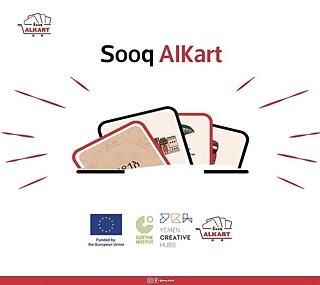
    "Sooq Alkart" is an entertainment and cultural initiative aimed at preserving and promoting Yemeni heritage through innovative, interactive tools. The project developed a culturally themed memory game featuring 24 card with illustrations of traditional Yemeni objects, food, architecture, and attire. Each card includes a QR code linking to bilingual educational content (Arabic and English) available on the project’s Instagram page.

    The memory game is complemented by 'Sana’a Deal', a second game inspired by classics like Monopoly and adapted to the Yemeni context.

    The initiative covered concept development, graphic design, bilingual content creation, local production in Sana’a, and promotional outreach, with a strong focus on cultural authenticity and visual identity aligned with Yemeni aesthetics. Through playful interaction, Sooq Alkart provides families and youth with an engaging way to connect with their cultural roots.

Follow us