Belarus Festival
From 22 to 25 March 2024, the Kunsthaus ACUD in Berlin was dedicated to Belarusian culture in the diaspora. It became a stage and a lively discussion and thinking space for Belarusian artists and cultural workers who had to leave their home country due to the dramatic situation in the country over the past three years and are now living in exile in Berlin, Warsaw, Krakow, Vilnius or Tbilisi.
Here you will find picture highlights of the Belarus Festival, at which over 50 theater makers, filmmakers, authors, poets, musicians, philosophers, visual artists and activists from Belarus presented a diverse interdisciplinary programme.
Festival highlights in pictures
-
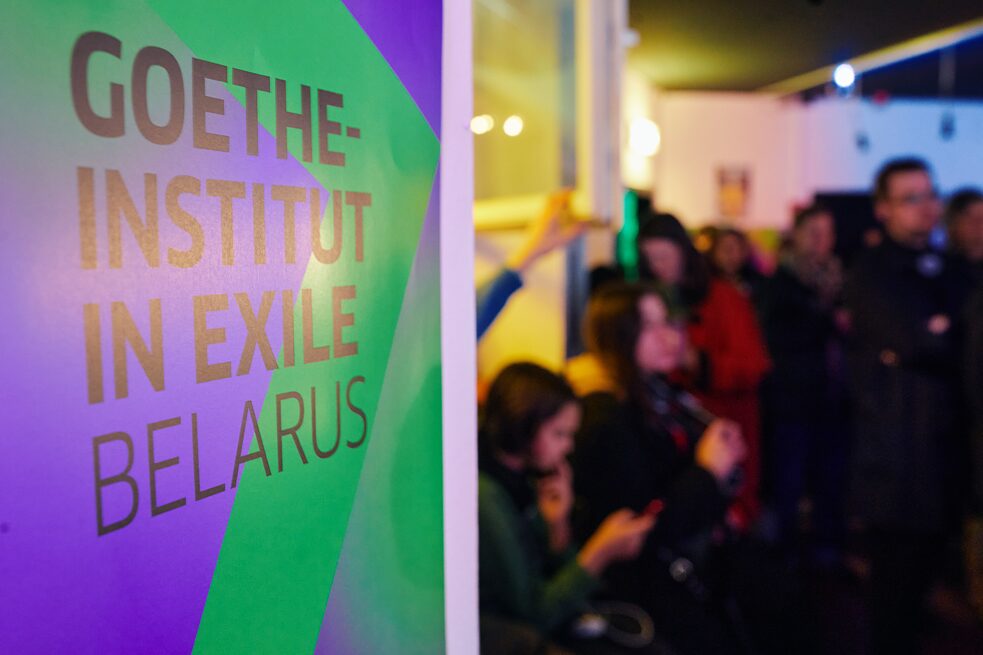
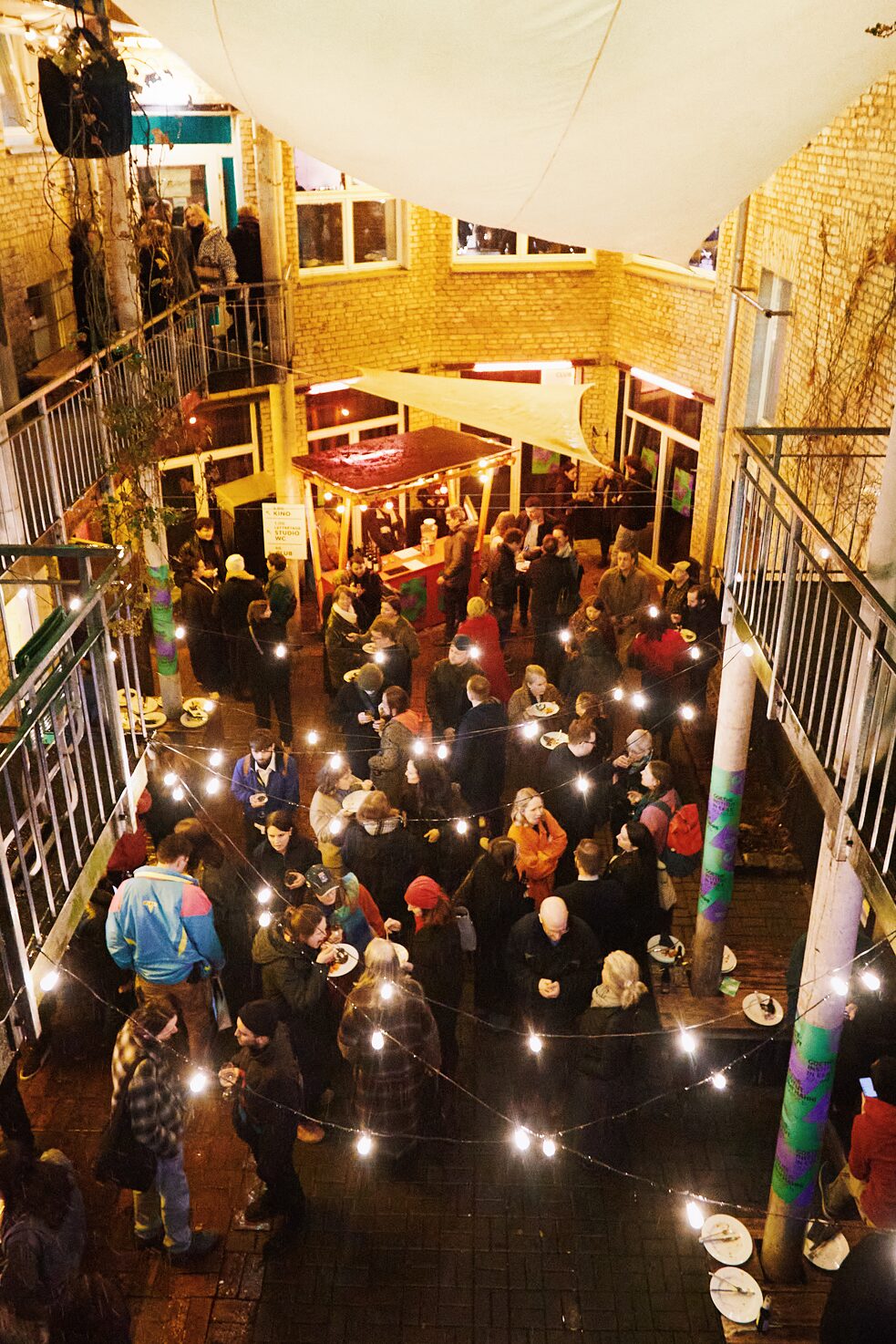
Opening of the festival Goethe-Institut in Exile [Belarus] -
Opening of the festival Goethe-Institut in Exile [Belarus] -
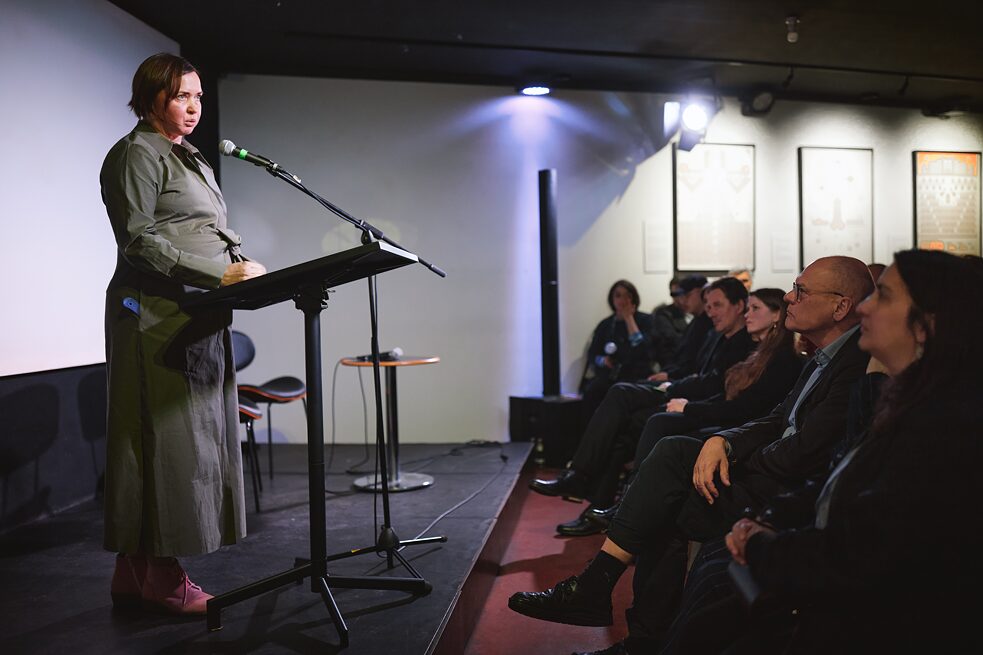
The curator of the progamme, Vera Dziadok, at the opening -
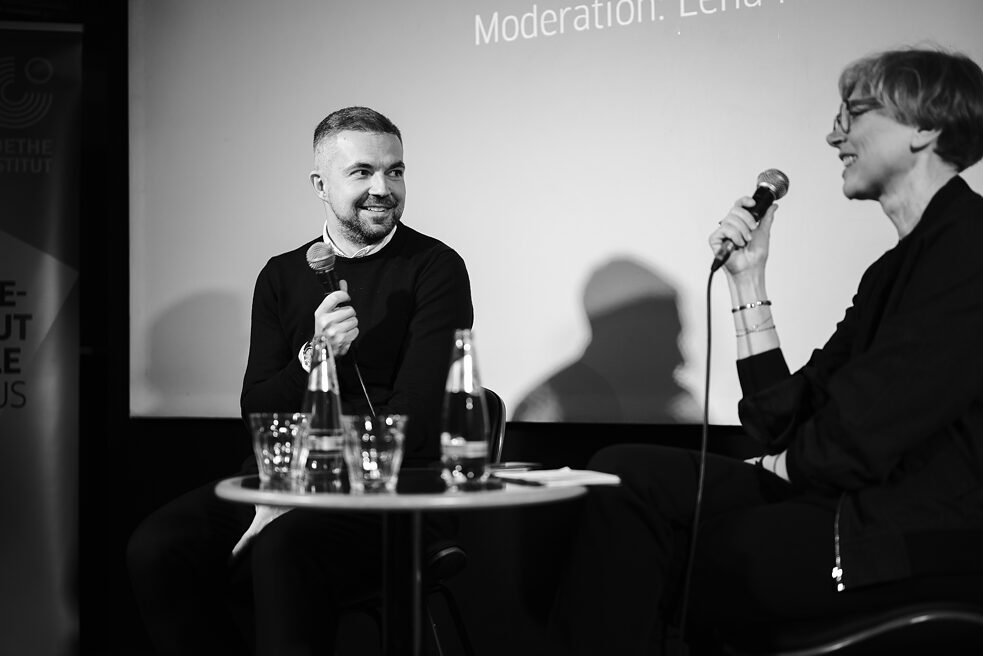
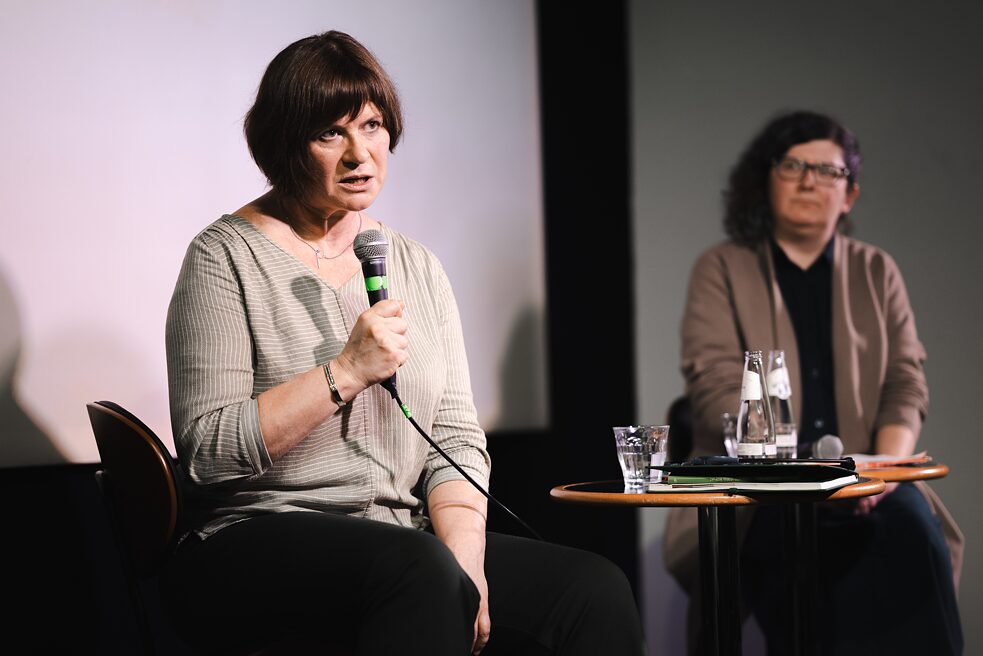
Author Sasha Filipenko in conversation with curator Lena Prents -
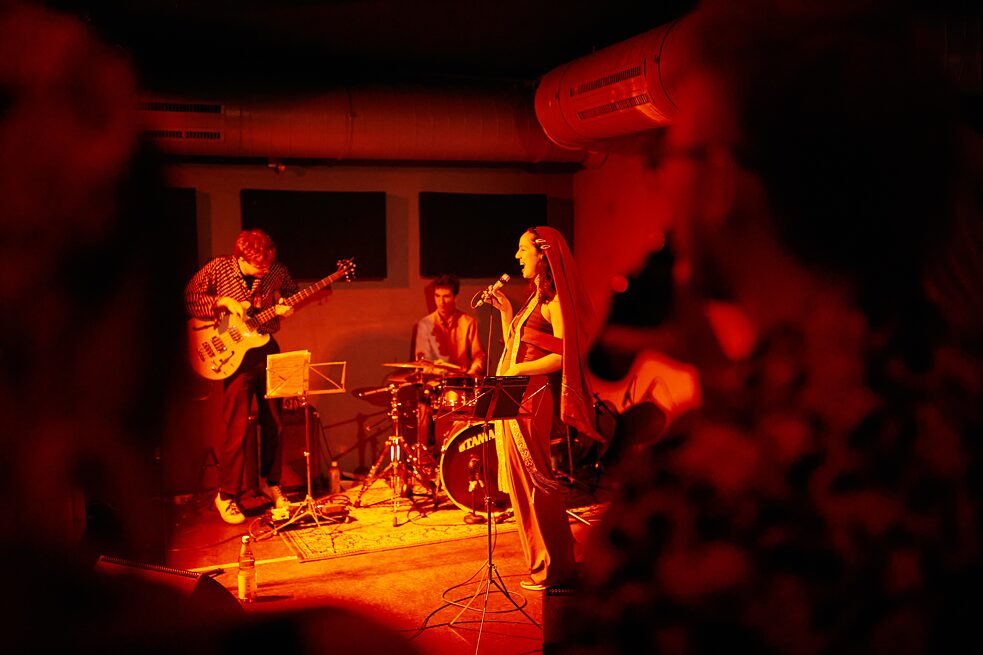
Concert of the band KOOB at the opening evening -
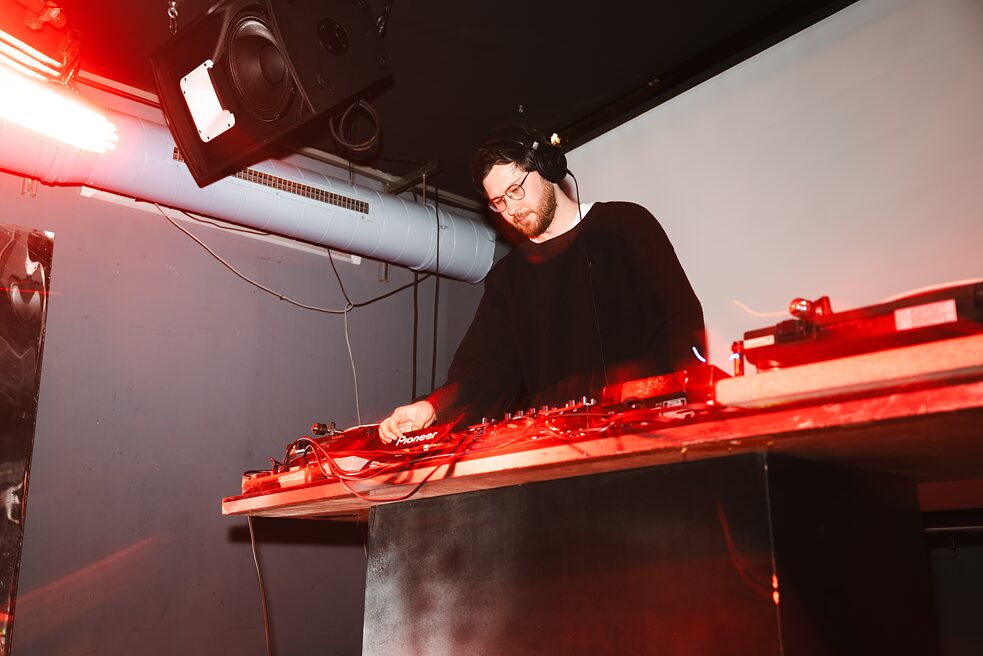
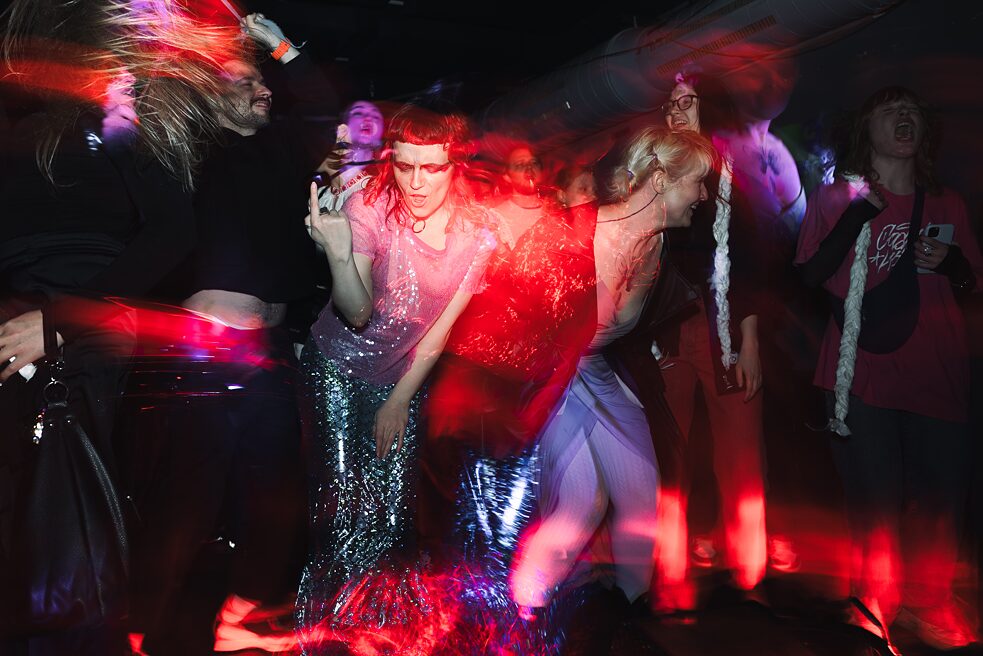
DJ stereobeaver -
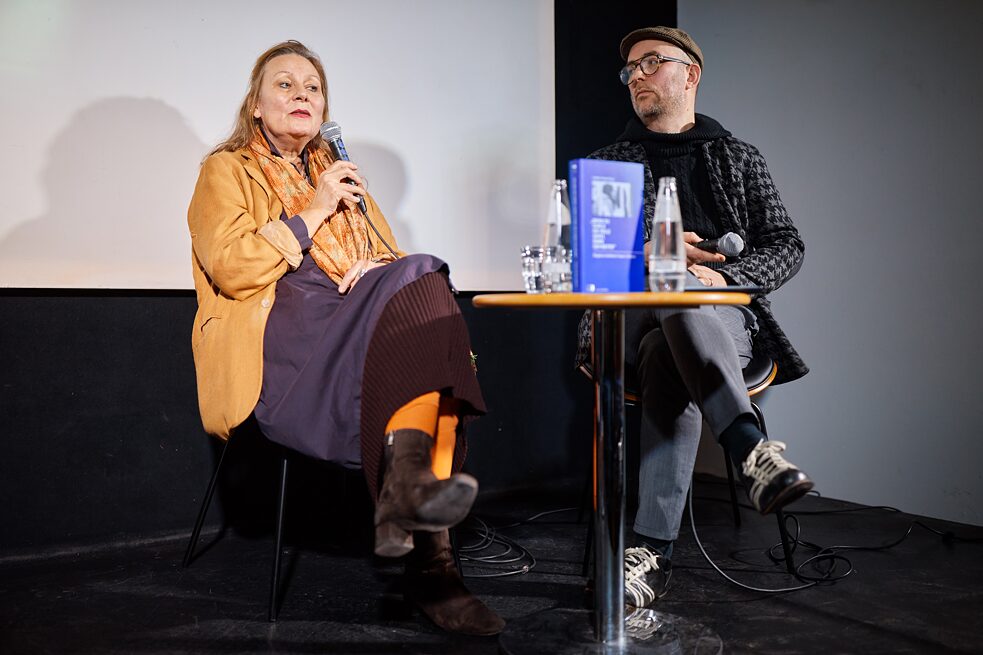
Cordelia Dvorak and Felix Ackermann at the presentation of the book “Wenn du durch die Hölle gehst, dann geh weiter” -
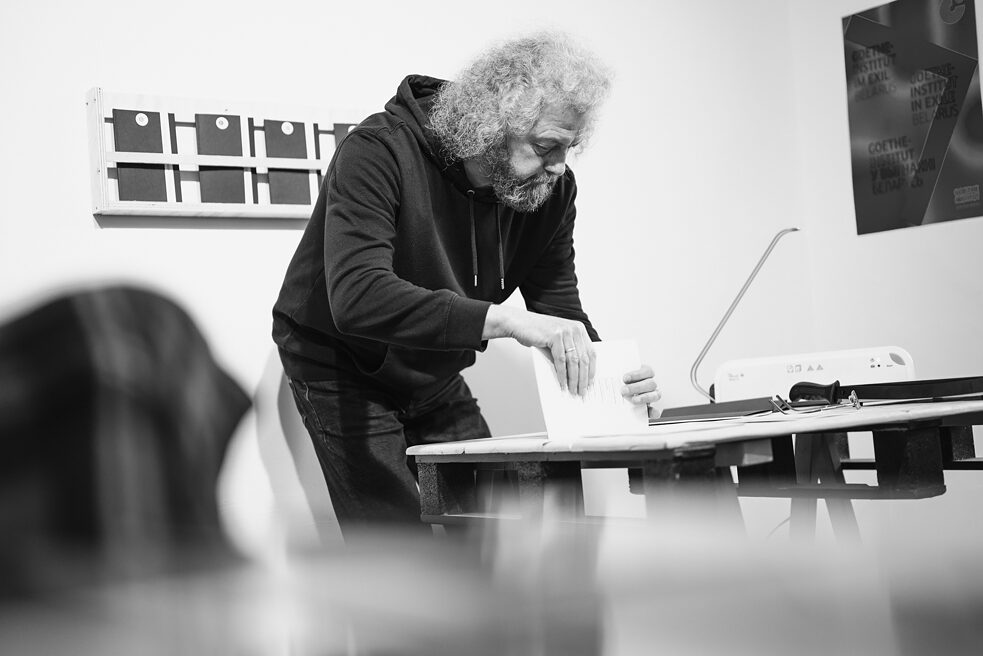
Letterpress printing workshop and reading with Dmitri Strozew, Sabina Brilo, and Taciana Niadbaj -
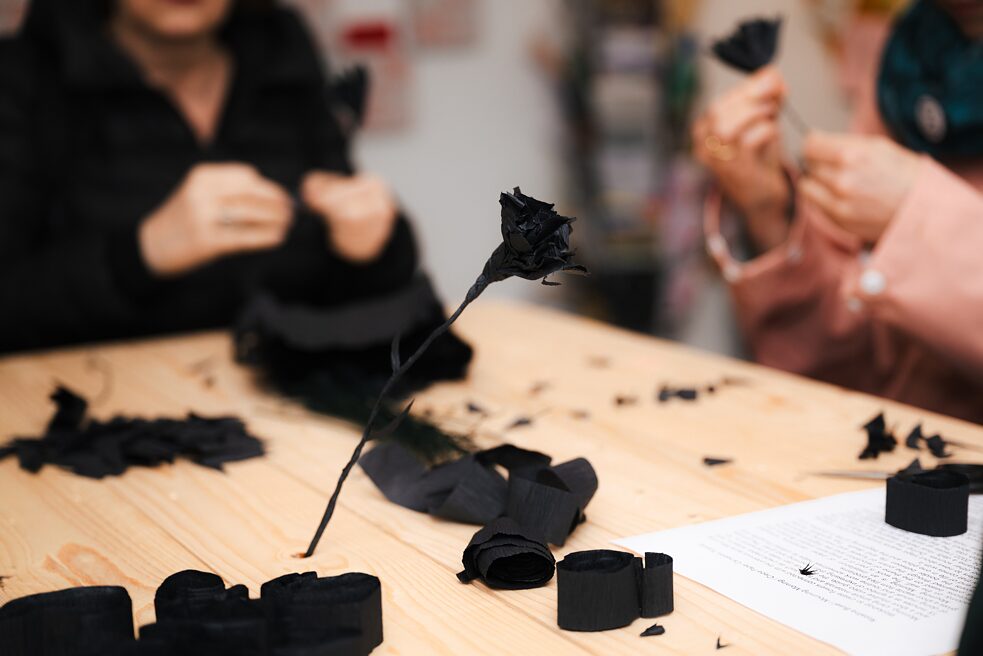
Paper flowers were made under the instruction of artist Razalina Busel -
Eva Viežnaviec and Olga Bubich in conversation -
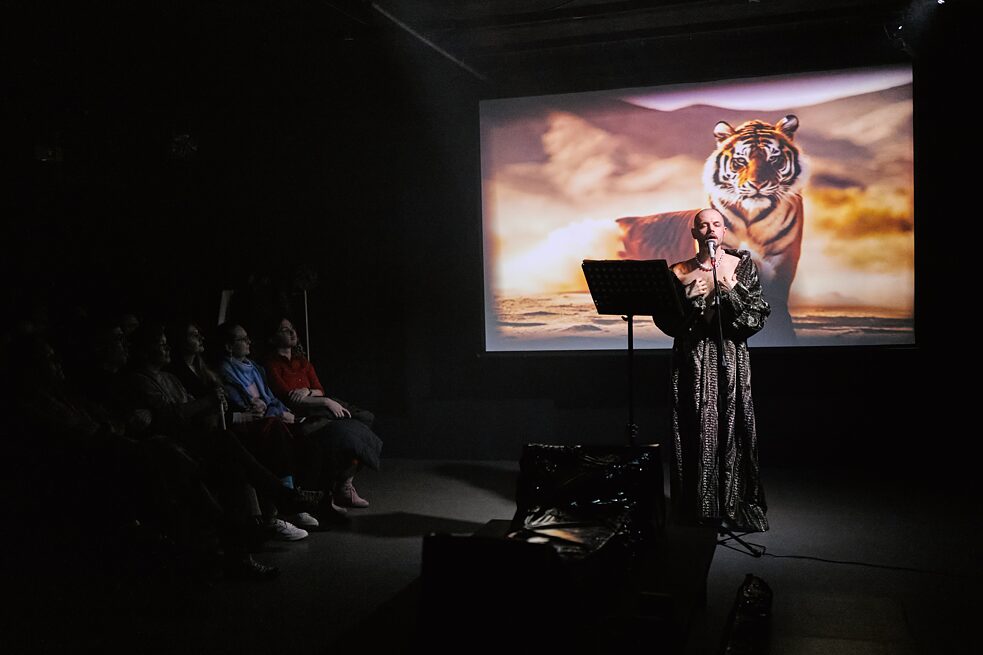
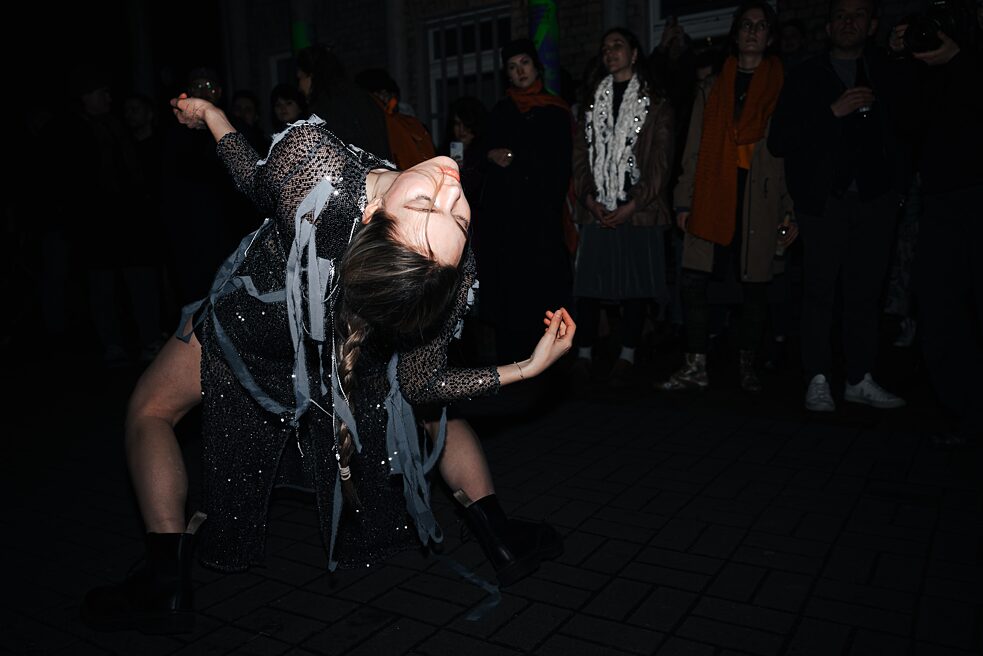
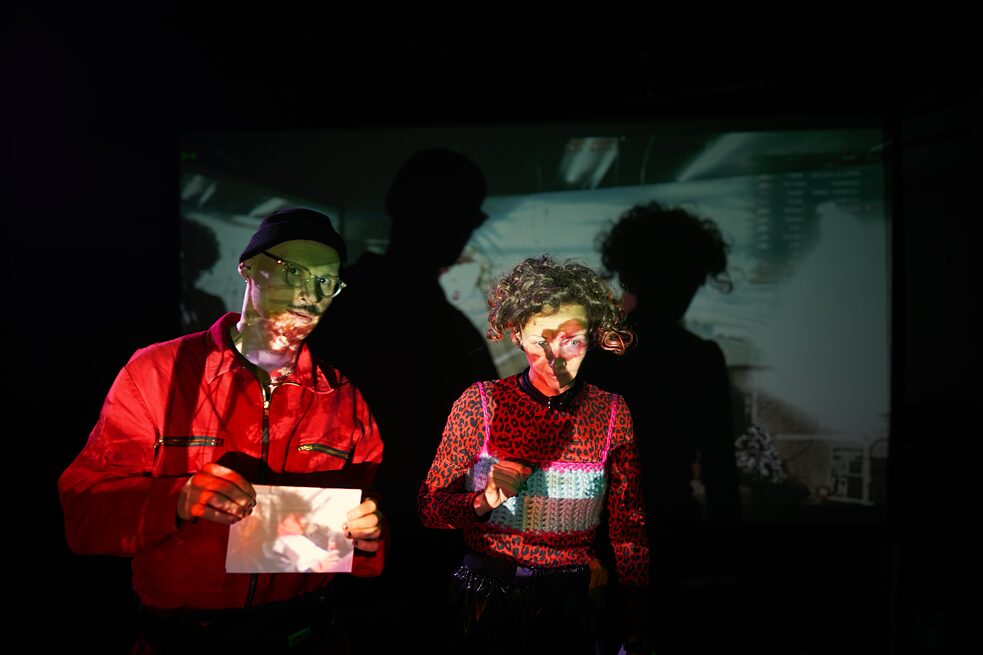
“Clausa fores” by INEXKULT (Director: Jura Dzivakou, Actor: Aleksandr Kazello) -
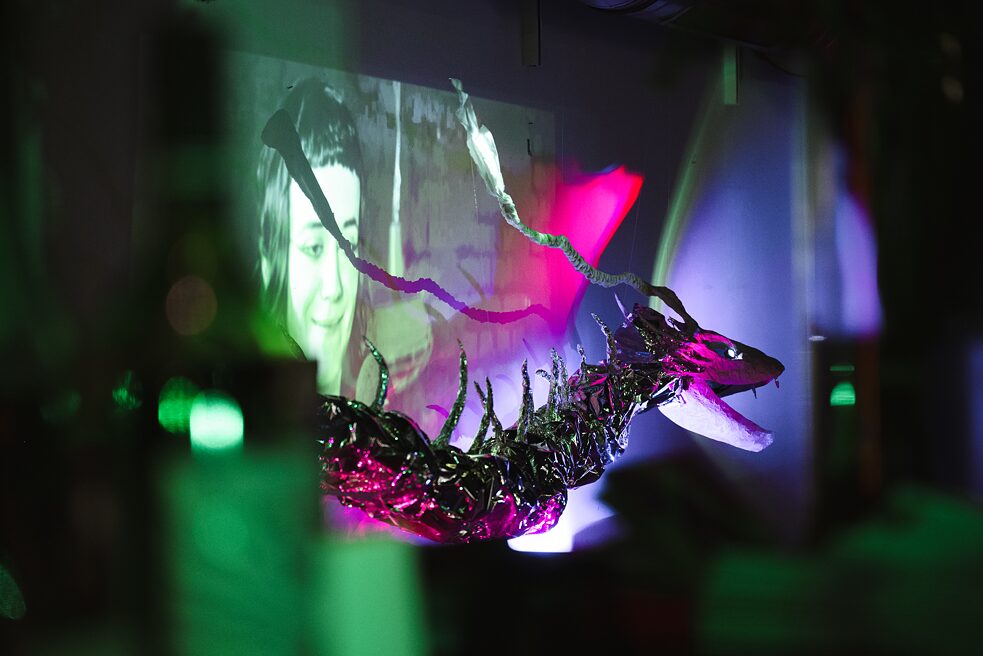
#KeepMinskWeird -
#KeepMinskWeird -
#KeepMinskWeird -
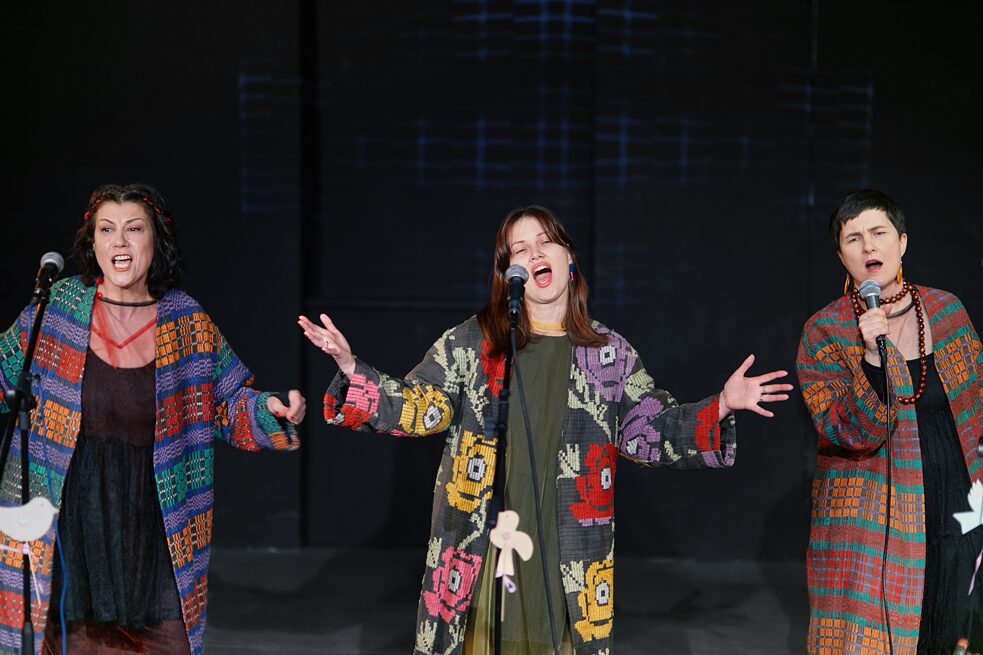
Hukannie Viasny – Spring call with the folk ensemble Kriwi -
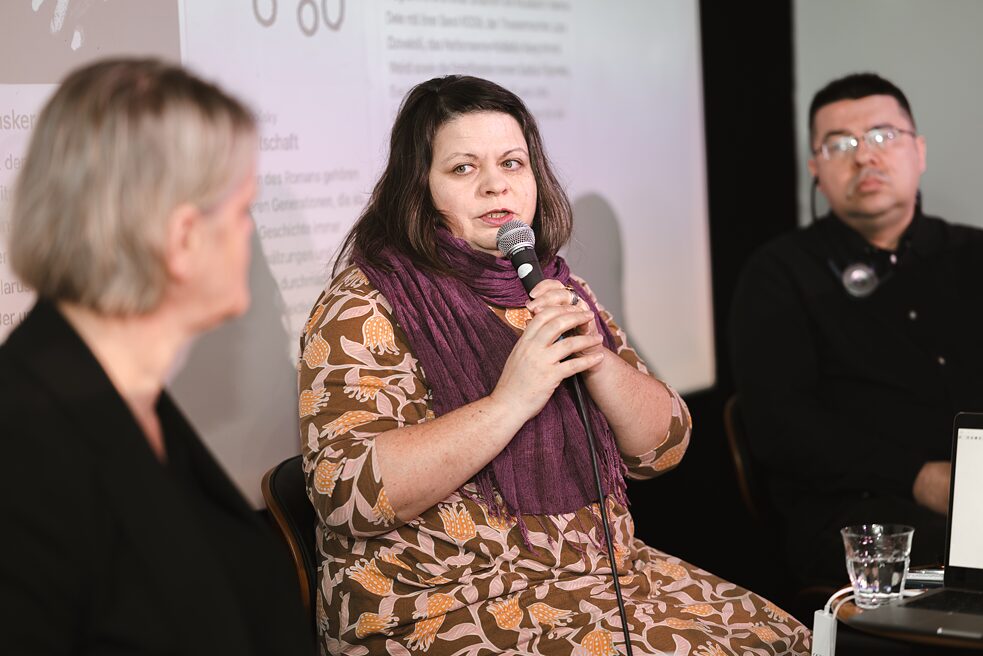
Presentation of the campaign “33 Bücher für ein anderes Belarus” with Sylvia Sasse, Iryna Herasimovich, and Zmicier Vishniou -
eeefff “Algorithmic solidarity: can colonialism be encoded into algorithms?” -
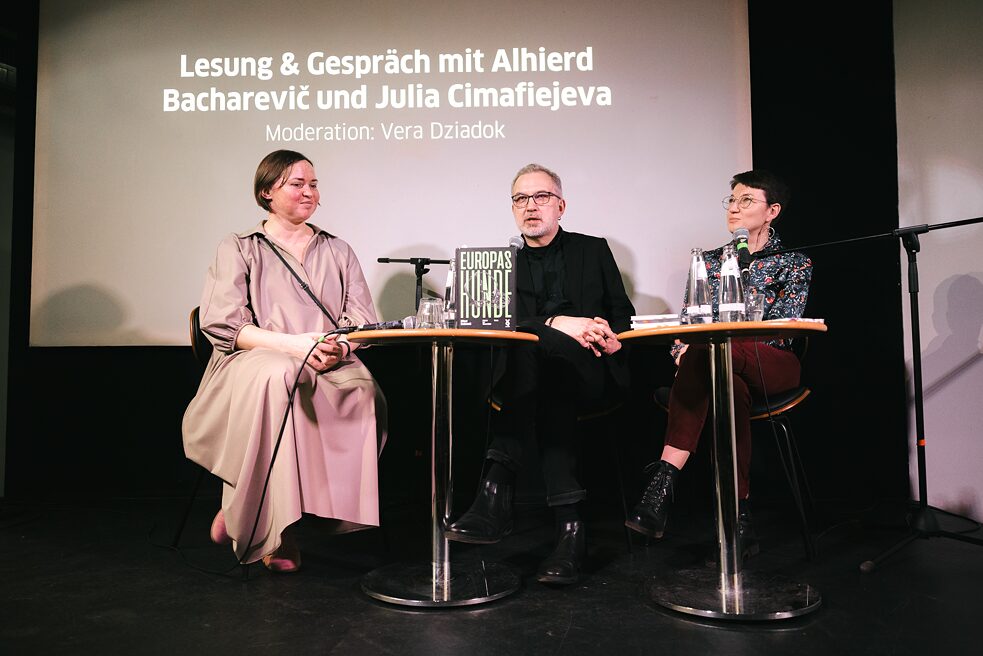
Reading and talk: Alhierd Bacharevič & Julia Cimafiejeva, moderated by Vera Dziadok