mRNA - Hype Or Hope?
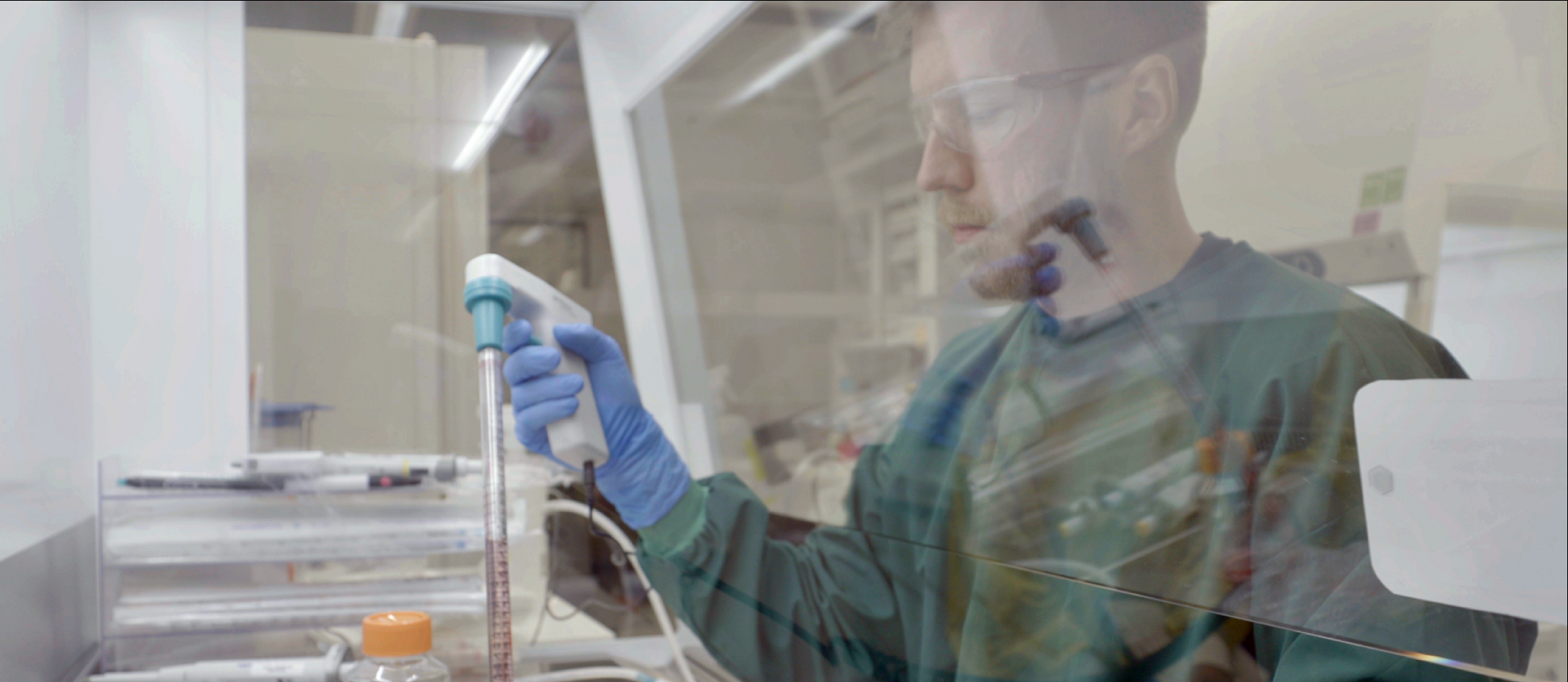
For a long time, mRNA technology seemed unsuitable for a therapeutic approach. Now there is an expectation that it can be used to treat a wide range of diseases in the future - including cancer, HIV, malaria, cardiovascular and autoimmune diseases. But how exactly does this work? mRNA vaccines carry the blueprint for a viral protein into cells, which then begin to produce the foreign biomolecule. The immune system ramps up its defenses against the virus, even though it only knows a small, harmless part of the pathogen. What sounds simple on paper is a similarly complex undertaking in a living organism as landing on Mars. mRNA research began a good three decades ago with the desire to develop individual therapies against cancer. Today, there are clinical studies investigating the regeneration of heart muscle immediately after a heart attack with an mRNA-based therapy. More than 150 different mRNA-based therapies and vaccines are now in development worldwide. But what is the real potential of mRNA technology? Where are the risks? What have scientists learned from Covid-19? Is mRNA technology the new wonder weapon of medicine - or just hype?
- Categories Natural Science, Life Science & Technology
- Original Title mRNA - Hype oder Hoffnung?
- Director Larissa Klinker, Tina Roth
- Produced by doc.station Medienproduktion für ZDF/3sat
- Running Time 44 minutes
- Country Germany
- Year 2022
Screened in
- Philippines
- Rwanda