Spotlight Creative Connections 2024
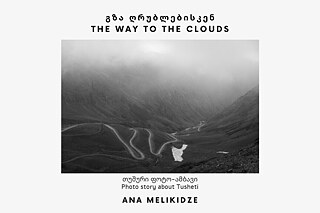

The project “In the Colorful Ascent of Ornaments” connected two young cultural workers, Ani Melikidze and Natia Karkhilauri, with Tushetian craft makers. Local handcrafters and tailors were introduced to mobile photography tips, lighting techniques, and composition through dynamic knowledge exchange and engaging masterclasses in various villages. These insights allowed them to capture photos of their unique products like traditional Tushetian carpets, felt, and ceramics. Based on the feedback received during the workshops, Ani and Natia shared suggestions for social media and marketing to the participants, which were enthusiastically received. As a result, two Instagram pages were created by local small business owners. Furhtermore, the project increased awareness of Tushetian culture by creating a documentary digital photo book “The way to the clouds - Photo story about Tusheti”. This involved captivating photo stories of daily life and interviewing locals, including the ethnographer Nugzar Idoidze, who provided insights into Tushetian traditions and ornaments. The photo materials created during the project serve as a valuable resource for promoting and raising awareness about the region.

Ulevi Fest & Ulevi Ceramics
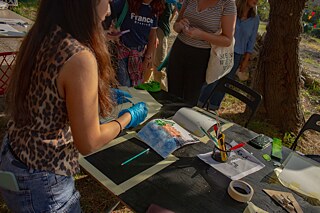
The “Ulevi Fest” music event series organized by a team of Nika Gogiashvili, Marita Gogichaishvili and Io Loriashvili to create an inclusive cultural platform in Martkopi, Georgia. Here, residents and visitors could engage in creative expression and communitybuilding through various artistic and musical activities. The festival sought to bridge generational and geographic divides, involving participants from Martkopi, surrounding villages, and Tbilisi with music performances, art workshops, and interactive experiences.A large-scale festival was organized in Martkopi, attracting around 400-450 attendees by door-to-door invitations and a primary communication with the local population. The event featured live music, jam sessions, and workshops in ceramics, illustration, and theater, designed to engage people of all ages. Workshops provided hands-on creative opportunities, while live performances offered a space for artistic expression. The event also included food stalls and decorative installations, enhancing the atmosphere and community involvement. In addition to the main festival, Ulevi Fest organized
meetings with artists Lexo Ratiani, Misho from Mishvardi, and Niko Gorgoshadze in the Ulevi
studio. The success of the initial event led to additional smaller events, further strengthening local
engagement and collaboration. The festival created a vibrant cultural experience that resonated with both residents and visitors.
The “Ulevi Ceramics” mobility project of Tamar Bakradze and Philipe Khalvashi inspired artistic expression and community involvement in the village of Martkopi, Georgia, by organizing six ceramic workshops and one illustration workshop. It provided locals of all ages—children, adults, and elderly
people—with the opportunity to explore their creativity, to experience the joy of creating, and to learn new techniques such as ceramics and printing. The project introduced participants to artistic practices, it nurtured their self-expression, and it build a sense of community through shared creative experiences. Two ceramic workshops and one illustration workshop were hosted during a local music festival. The event’s lively atmosphere drew additional participants. The remaining workshops were held at a studio, offering a more focused learning environment. By providing hands-on instruction and
access to materials, a space was created in which participants could freely experiment and discover their artistic potential. For many, this was their first exposure to ceramics and printing techniques, making the experience both novel and empowering. The overwhelmingly positive response,
coupled with participants expressing interest in continuing lessons, demonstrates the success of the project in encouraging artistic exploration and community connection.


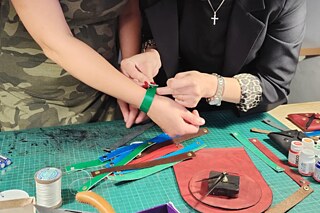
The project “In the Center of Creativity” generated significant interest among creatives from Samegrelo-Zemo Svaneti and Apkhazeti by incorporating the creation of unions and co-production elements. It began with the selection of twelve active entrepreneurs from the cultural and creative industries through a competition, who then formed five unions. These unions focused on various creative fields, uniting professional skills for co-production and work enrichment. For example: adding sewed accessories to wooden toy production, or combining interior and floral design, or clothing and accessory modeling, or leather production and painting, or epoxy production with herbarium. Teams collaborated and co-created artworks which were exhibited at a three-day festival, sparking interest among 200 adult attendees and 50 minors. This led to private orders and an increased number of admirers. Consequently, these unions formed a stronger and ongoing cooperation which led to participation in other fairs and to jointly working on new private orders. The festival also enhanced local volunteering culture, with 15 volunteers involved in all phases of the project implementation and event organization. Through these activities, the project boosted awareness and connections for Hands for Peace, attracting international collaboration proposals, invitations to international seminars in Germany, and thus enhancing the organization’s visibility. Based on participants’ feedback, Hands for Peace plans to make the festival an annual event and to open community centers for artists. These outcomes demonstrate the project’s real impact in establishing strong community connections and generating substantial creative output, ensuring ongoing collaboration and visibility.


