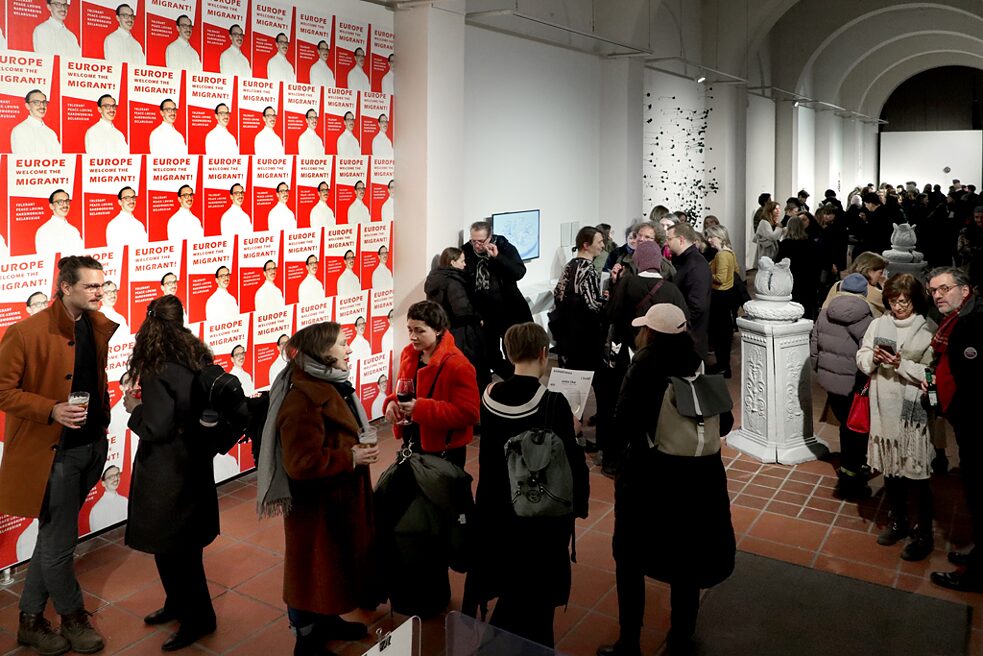
Belarus
The Goethe-Institut in Minsk was established in 1994 – the same year that the first and last free elections in the young post-Soviet republic were held. These elections were won by Alexander Lukashenko, who then went on to establish an increasingly authoritarian regime.
Since then, the dedicated team at the Goethe-Institut has successfully used niches within the system to promote the development of an independent cultural and educational scene. The Goethe-Institut thus earned an excellent reputation locally as a reliable and long-standing partner and supporter. Through numerous cooperative projects, it also made a significant contribution to connecting Belarusian cultural actors with their German and European counterparts. Through co-productions, exhibitions, residencies, conferences, and concert tours, the Goethe-Institut played a key role in placing Belarusian culture on the European map.
The programmatic focus of the Goethe-Institut in Belarus included the promotion of contemporary art and culture, library-based networking, school and extracurricular education, memory culture, Jewish cultural heritage, urban initiatives, artistic mobility, and the cultural and creative industries.
The programmes and projects of the Goethe-Institut particularly benefited Belarusian society. Thousands of people have taken language courses here across several generations, received certificates, scholarships, and professional exchange opportunities. The institute was an important address in the country’s cultural landscape. A wide range of formats addressed different target groups: from Silent Disco to Early Music, from contemporary literature in our library to VR installations, from art installations to traveling exhibitions. At the heart of all this was collective learning, a love for culture, and the joy of exchange.
Although always at risk, the work of the Goethe-Institut in Minsk was gradually made impossible by the Belarusian authorities after the rigged elections in the summer of 2020. After the forced suspension of activities in the summer of 2021 and the subsequent intensification of repression by the regime, the property was abandoned and the dispatched staff withdrawn. As a result, the Goethe-Institut in Minsk is no longer visible for the time being.
Since then, the dedicated team at the Goethe-Institut has successfully used niches within the system to promote the development of an independent cultural and educational scene. The Goethe-Institut thus earned an excellent reputation locally as a reliable and long-standing partner and supporter. Through numerous cooperative projects, it also made a significant contribution to connecting Belarusian cultural actors with their German and European counterparts. Through co-productions, exhibitions, residencies, conferences, and concert tours, the Goethe-Institut played a key role in placing Belarusian culture on the European map.
The programmatic focus of the Goethe-Institut in Belarus included the promotion of contemporary art and culture, library-based networking, school and extracurricular education, memory culture, Jewish cultural heritage, urban initiatives, artistic mobility, and the cultural and creative industries.
The programmes and projects of the Goethe-Institut particularly benefited Belarusian society. Thousands of people have taken language courses here across several generations, received certificates, scholarships, and professional exchange opportunities. The institute was an important address in the country’s cultural landscape. A wide range of formats addressed different target groups: from Silent Disco to Early Music, from contemporary literature in our library to VR installations, from art installations to traveling exhibitions. At the heart of all this was collective learning, a love for culture, and the joy of exchange.
Although always at risk, the work of the Goethe-Institut in Minsk was gradually made impossible by the Belarusian authorities after the rigged elections in the summer of 2020. After the forced suspension of activities in the summer of 2021 and the subsequent intensification of repression by the regime, the property was abandoned and the dispatched staff withdrawn. As a result, the Goethe-Institut in Minsk is no longer visible for the time being.
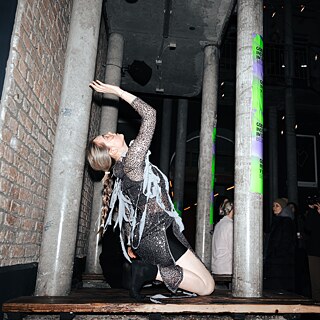
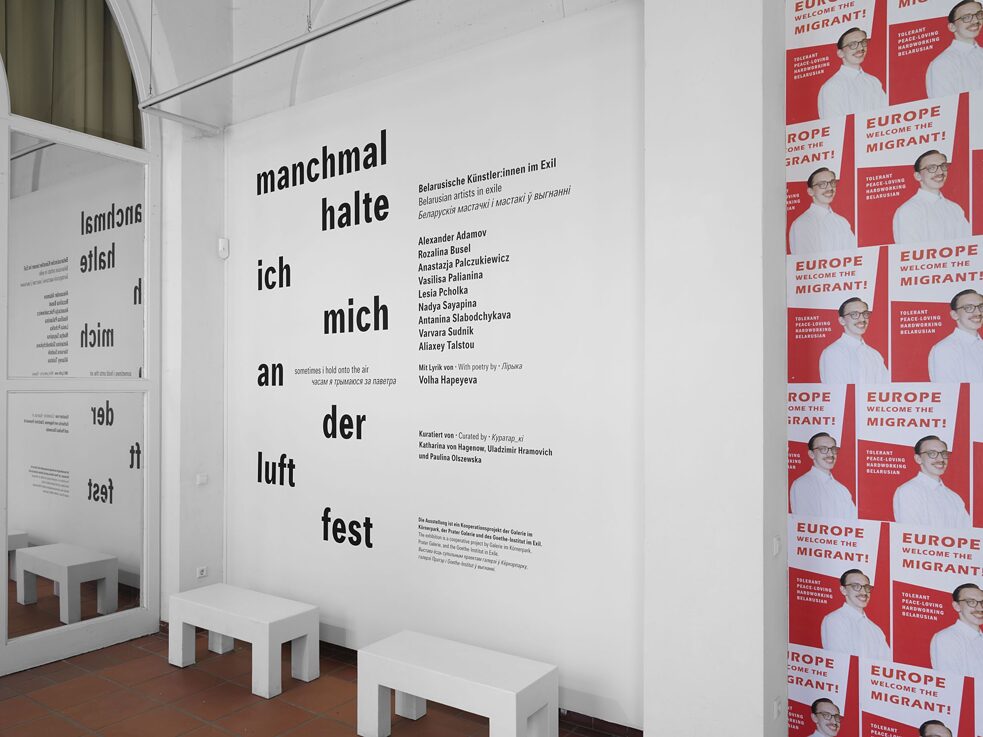
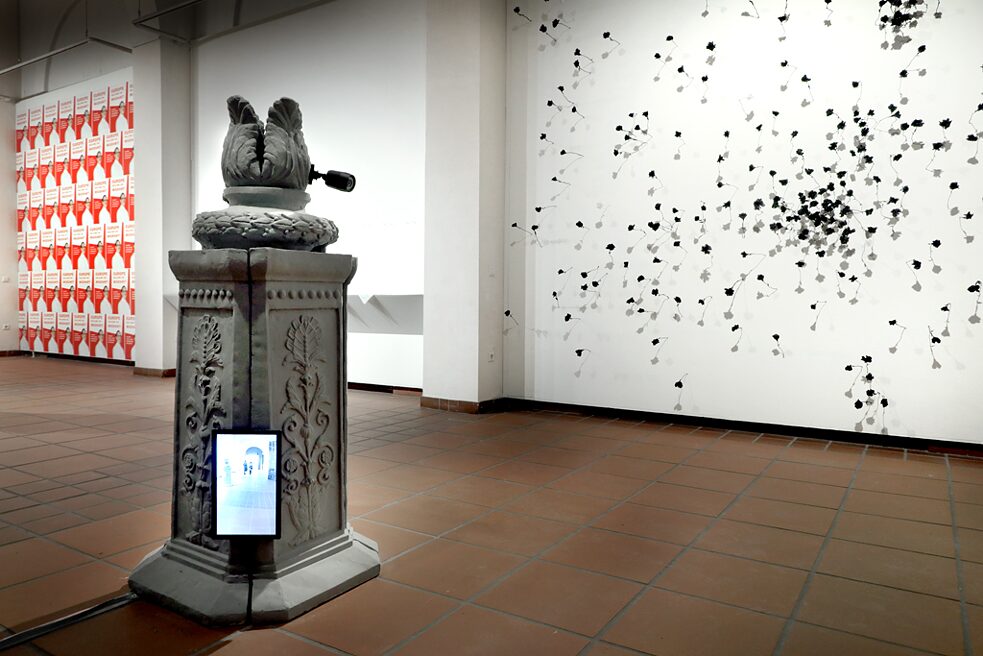
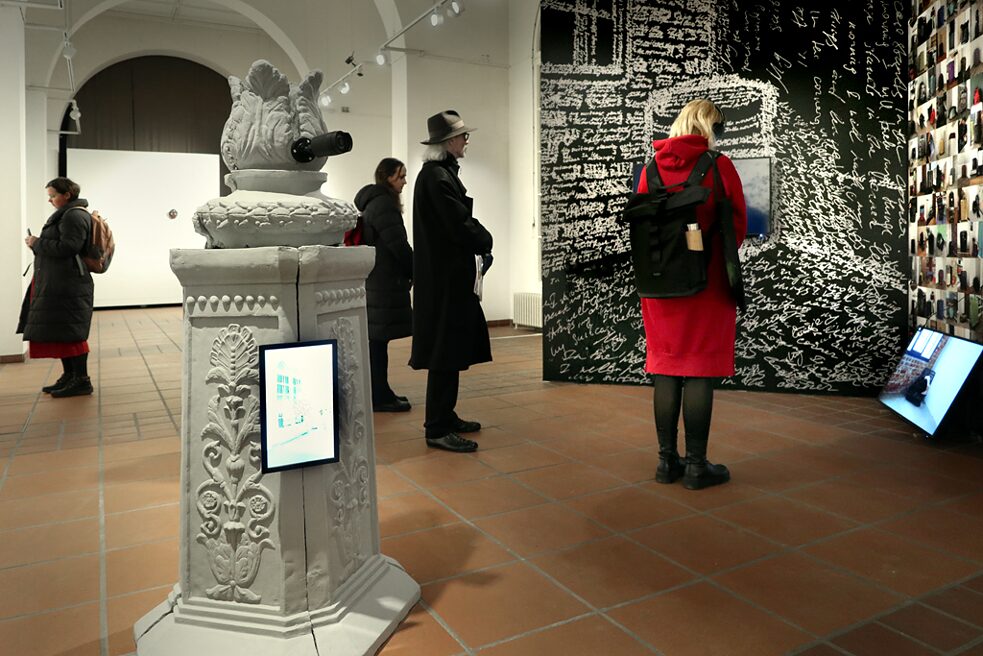
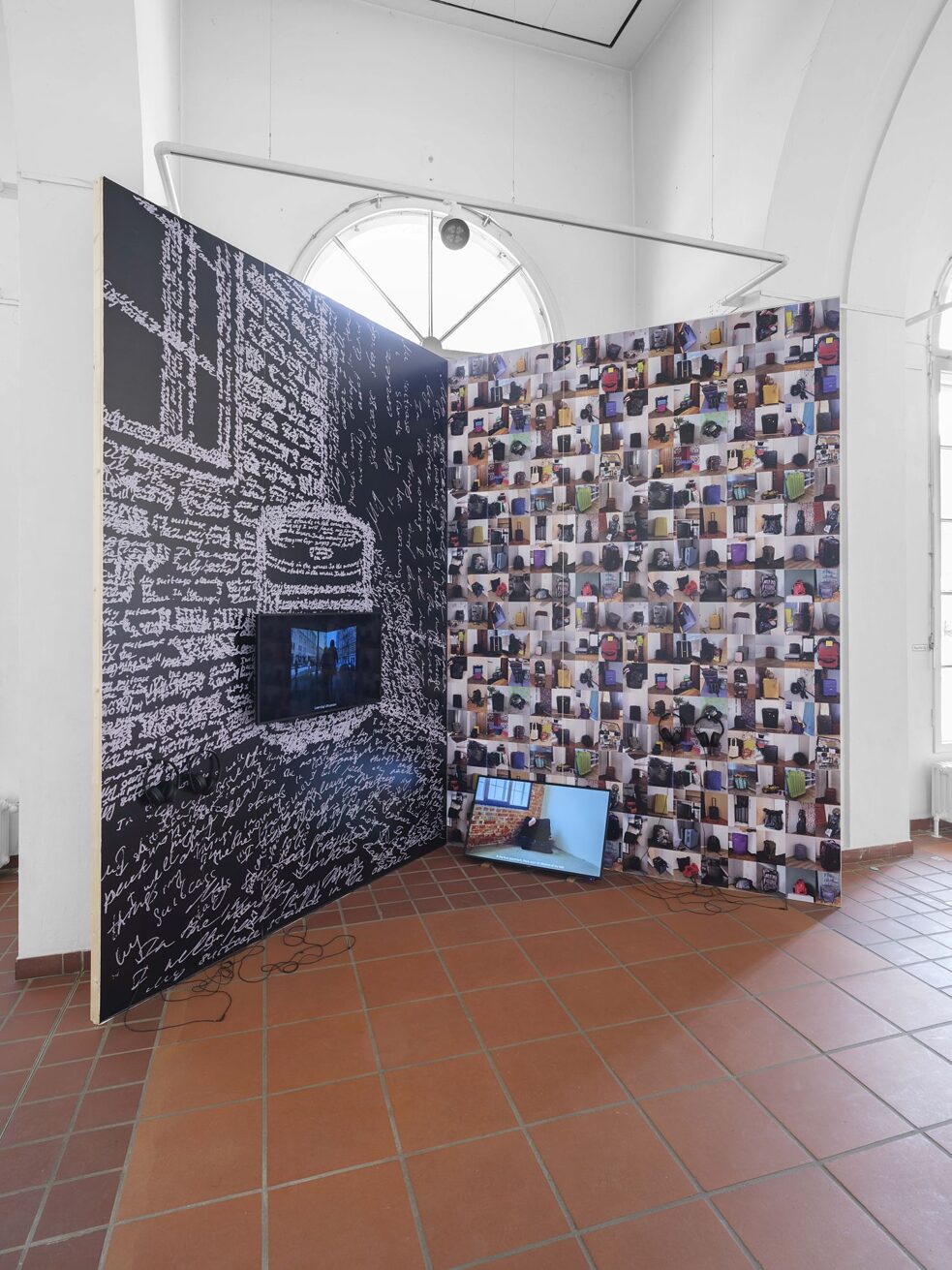
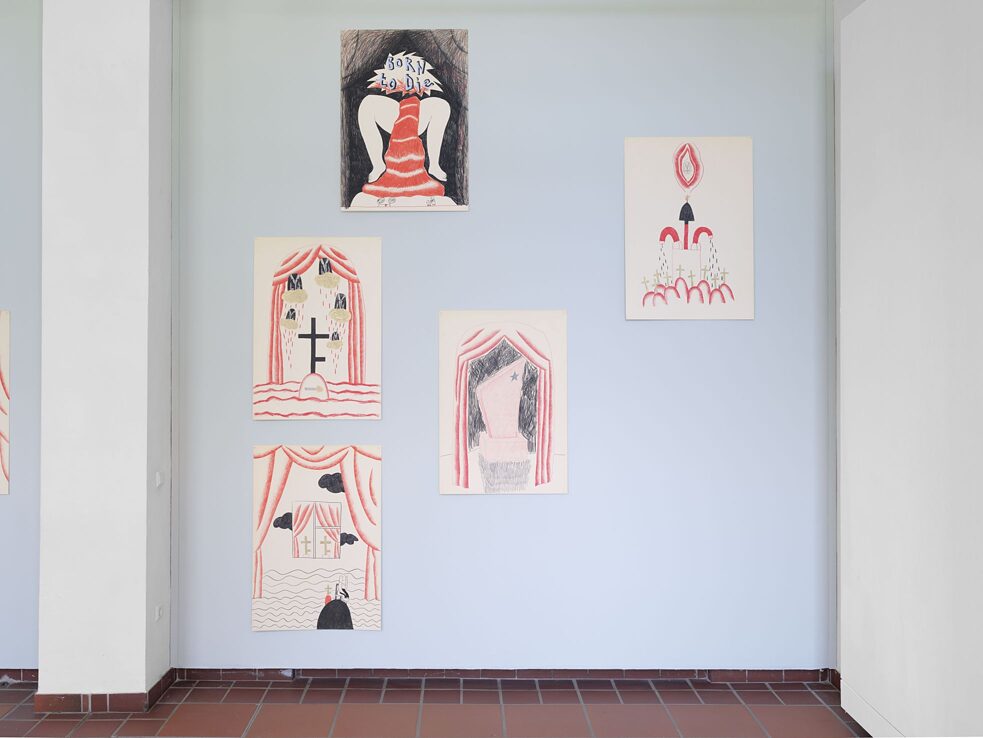
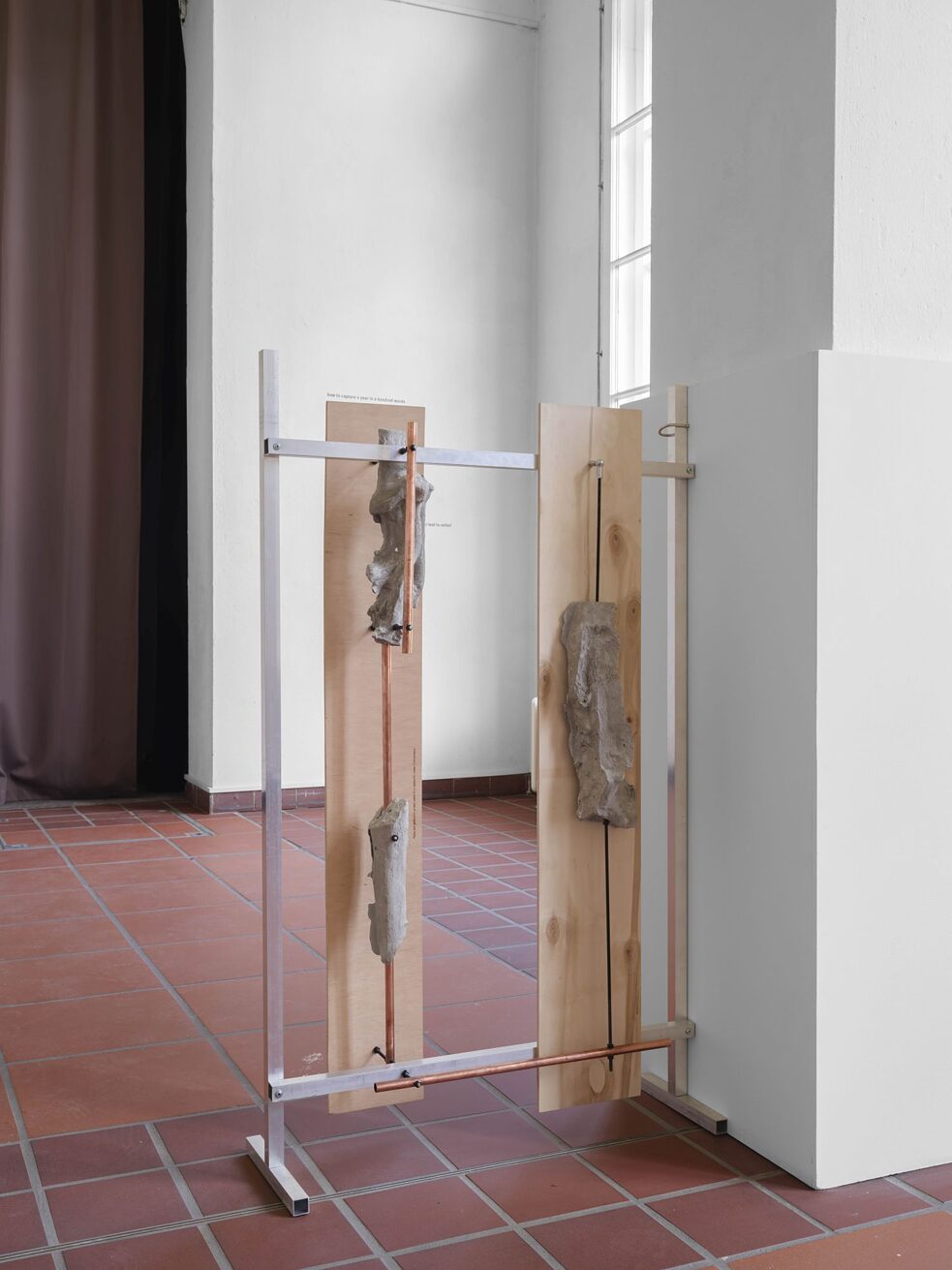
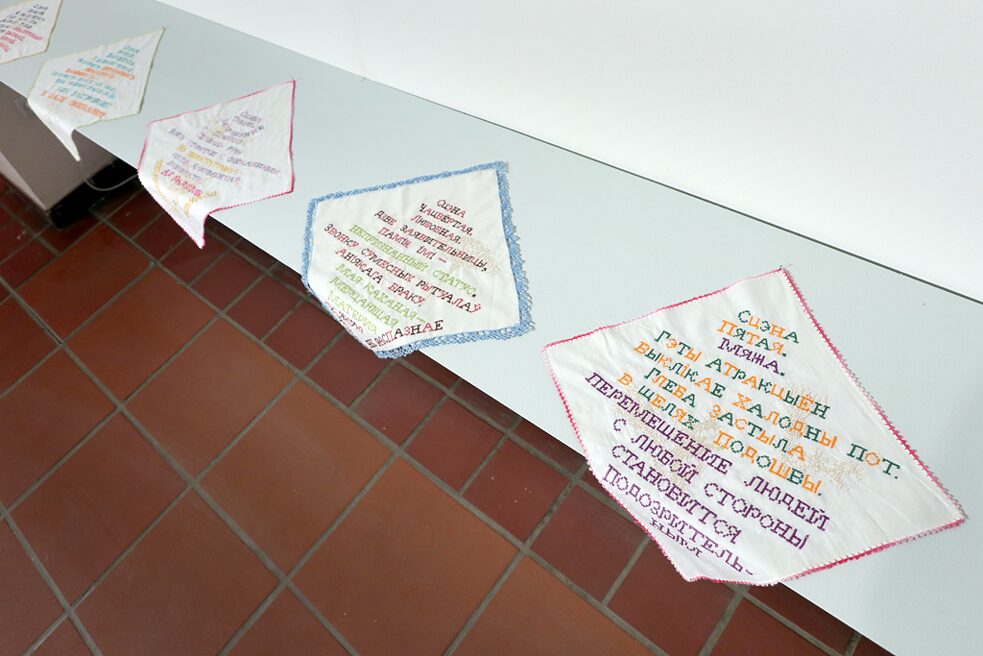
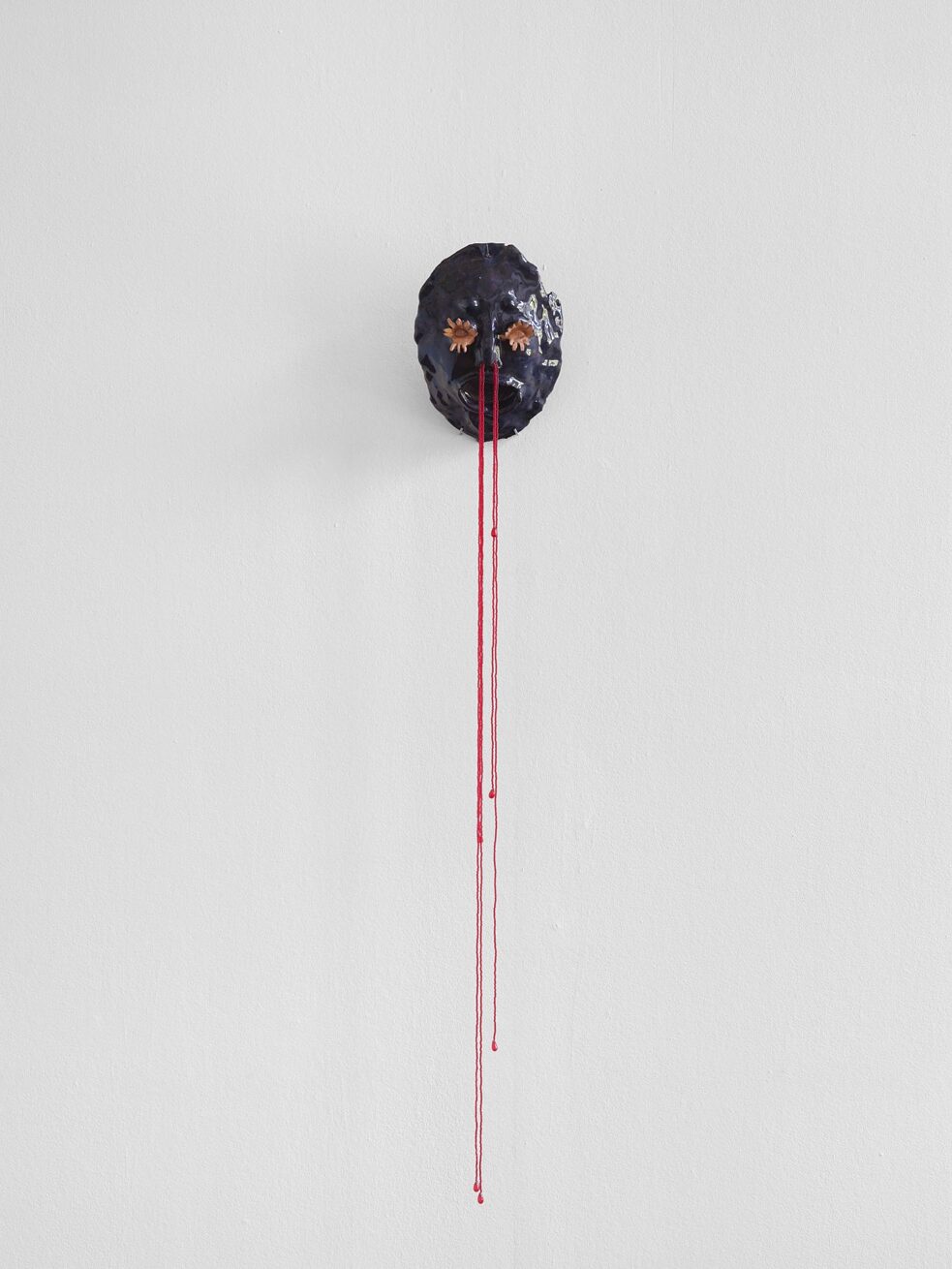
Exhibition “sometimes i hold onto the air – Belarusian Artists in Exile”
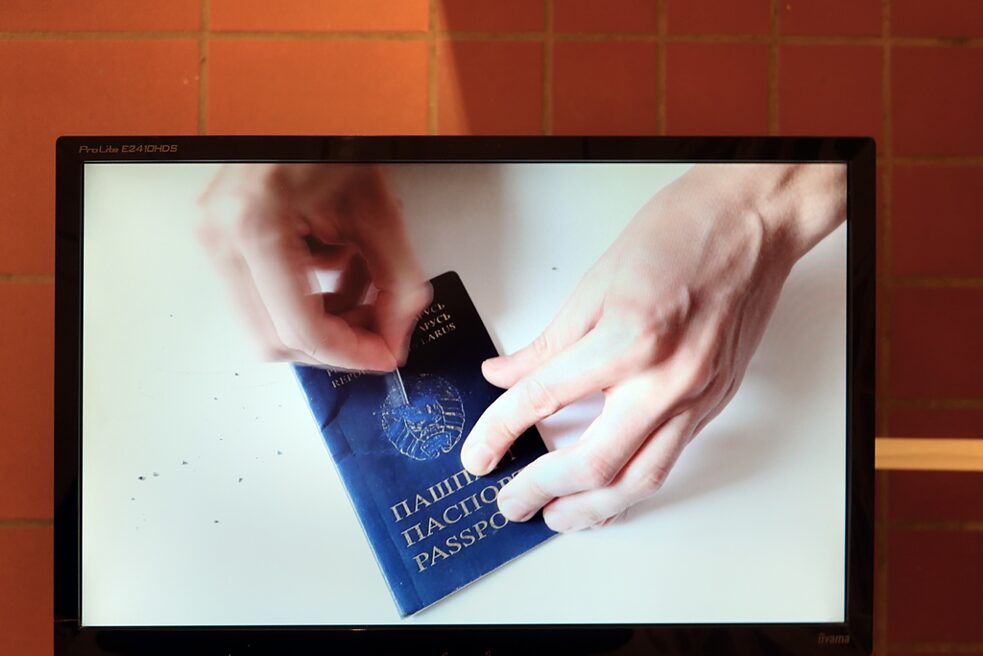
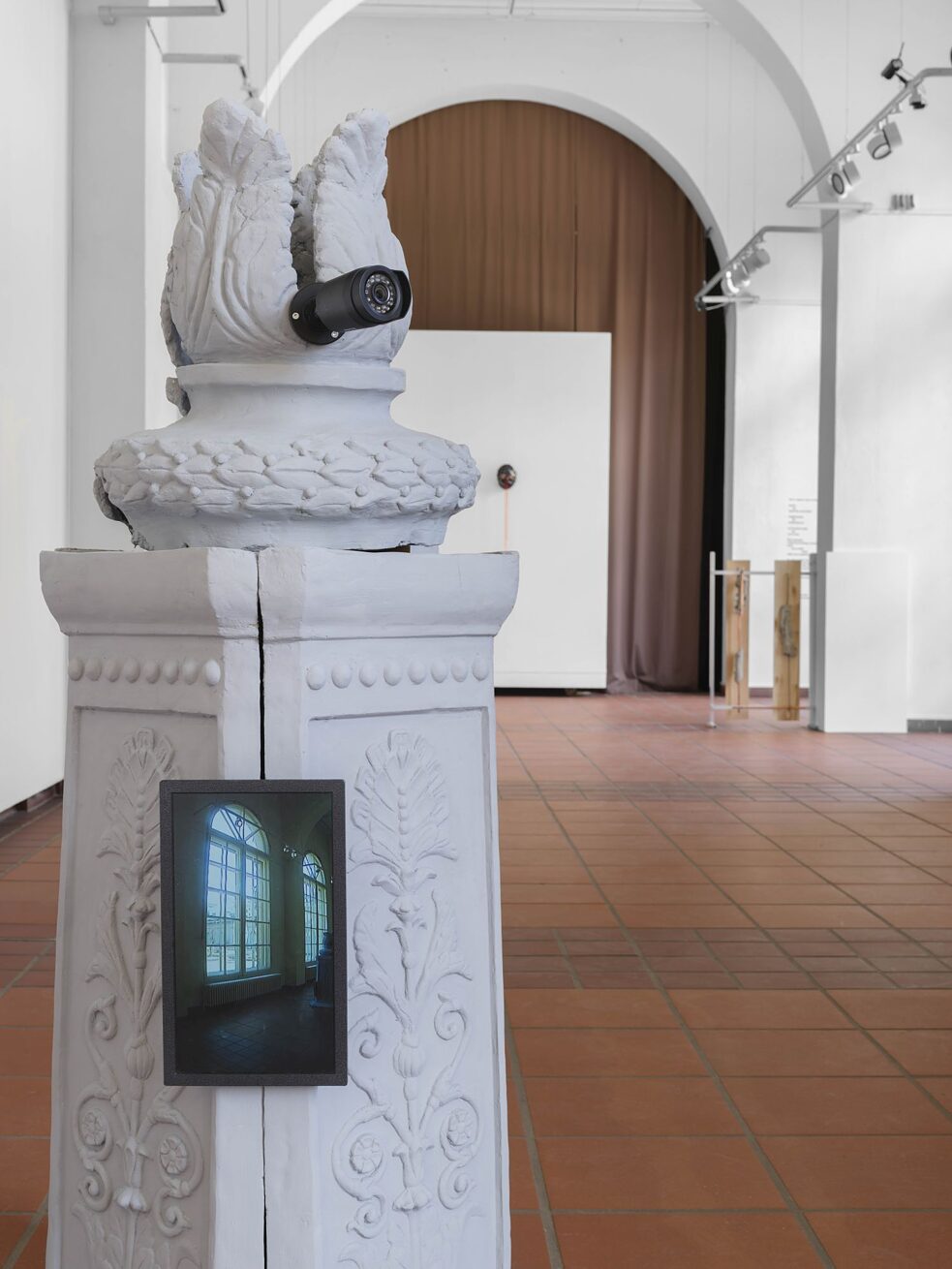
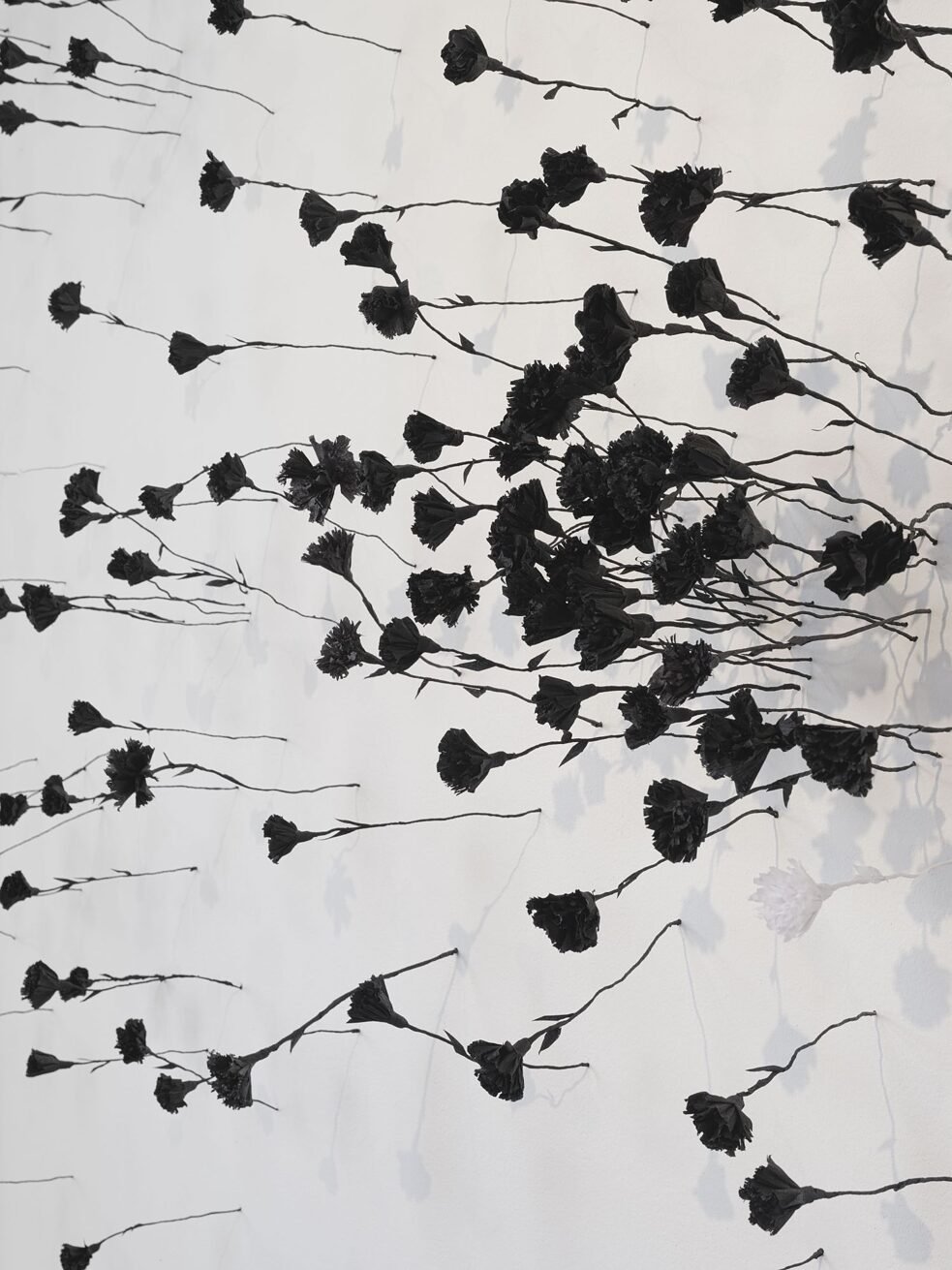
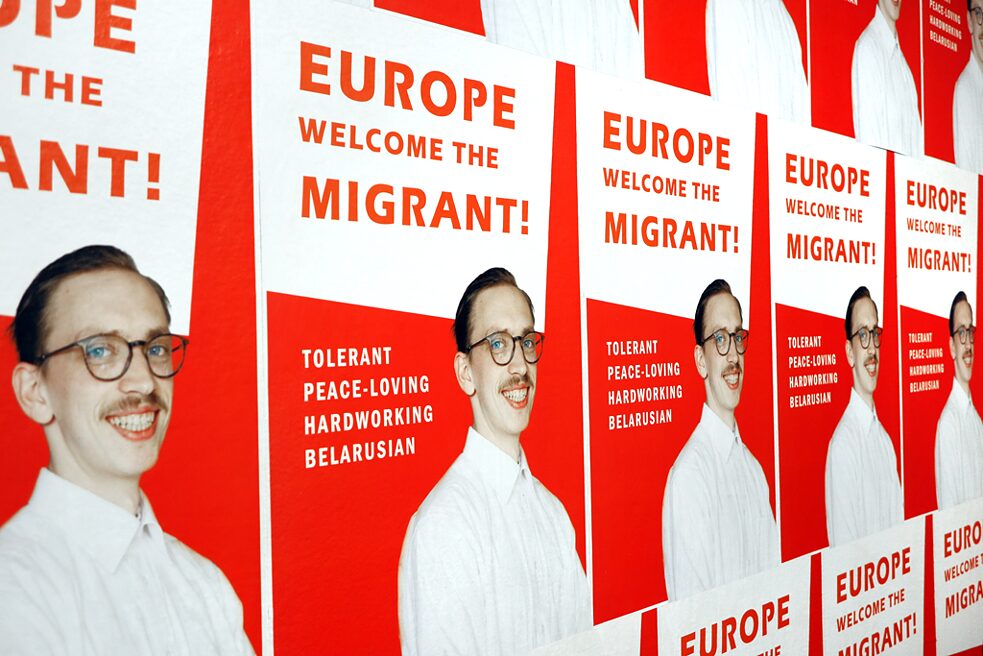
In the exhibition sometimes i hold onto the air, curated by Katharina von Hagenow, Uladzimir Hramovich and Paulina Olszewska, which can be seen from 2 February – 29 May 2024 at Galerie im Körnerpark, young Belarusian artists in exile reflect on the protests in their home country that radically transformed their lives.
Further information on the exhibition and the participating artists can be found here.