Natur nach Maß
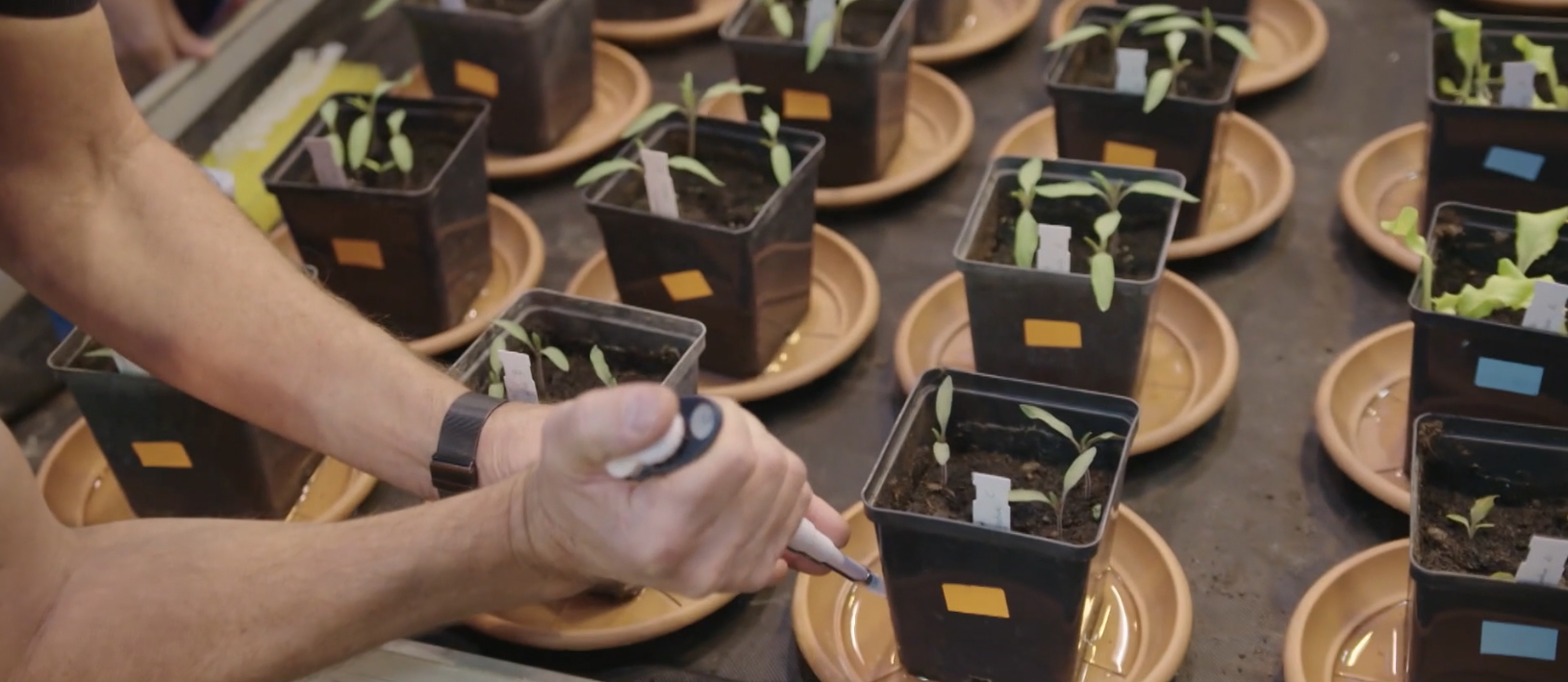
For the first time, the CRISPR-Cas9 gene scissors can be used to specifically modify the genome anywhere. The intervention leaves no traces. A revolution in plant breeding and medicine - but also a potential disaster for civilization, ethics and nature. The starting point was research on scarlet fever bacteria by microbiologist Emanuelle Charpentier in Vienna. She discovered how these bacteria defend themselves against viruses with the help of a gene modification. Humans can now use this mechanism for therapeutic purposes. But isn't this also interfering with creation? In their film, Kurt Langbein and Anna Katharina Wohlgenannt examine the risks of CRISPR-Cas9 - and the possibilities that arise when scientists alter the building blocks of life.
- Các thể loại Khoa học tự nhiên, Khoa học đời sống & Công nghệ
- Đạo diễn Kurt Langbein, Anna Katharina Wohlgenannt
- Sản xuất bởi Langbein & Partner Media
- Trong thời gian 52 Nhiều phút
- Quốc gia nước Áo
- Năm 2020
Chiếu tại
- Ethiopia
- Malaysia
- Namibia