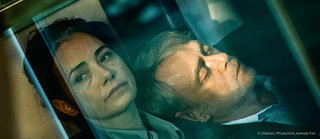
Discover lives, choices, and voices through eight films at KinoFest 2026! The Goethe-Institut’s annual German film programme returns to Hanoi, Ho Chi Minh City, Hue, Hai Phong, and Da Nang, bringing diverse perspectives and stories from contemporary German cinema to audiences across Vietnam.
About the KinoFest
From historical drama and compelling social stories to heartfelt comedy, contemplative cinema, and animated adventure, this year’s selection explores how we find our place in the world. What happens when personal desires collide with family expectations or social pressures? How do we find our own voice—and learn to listen to others? Through humour, conflict, and unexpected connections, these films invite us to encounter lives beyond our own.
Highlights include Berlinale 2026 award winners Yellow Letters and Rose, alongside opportunities to meet actor Bruno Alexander at screenings of Oh, This Unspeakable Void in Hanoi and Ho Chi Minh City.
Coming-of-Age / Tragicomedy, 2026, 136 minutes
Director: Simon Verhoeven
Writer: Simon Verhoeven (based on the novel by Joachim Meyerhoff)
Age Rating: T13
Language: In German with English and Vietnamese subtitles
Drama / Coming-of-Age, 2024, 117 minutes
Director: Frauke Lodders
Writer: Frauke Lodders
Age Rating: T16
Language: In German with English and Vietnamese subtitles
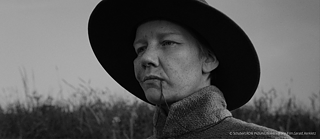
Historical Drama, 2026, 94 minutes
Director: Markus Schleinzer
Writer: Markus Schleinzer, Alexander Brom
Age Rating: T16
Language: In German with English and Vietnamese subtitles
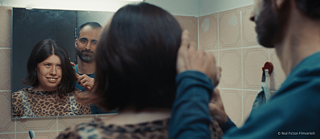
Drama / Social Drama, 2025, 94 minutes
Director: Julia Roesler
Writer: Silke Merzhäuser, Julia Roesler
Age Rating: T16
Language: In German with English and Vietnamese subtitles
Animation / Family / Adventure, 2025, 91 minutes
Director: Reza Memari
Writer: Reza Memari
Age Rating: P
Language: In German with English and Vietnamese subtitles
Drama / Social Drama, 2026, 93 minutes
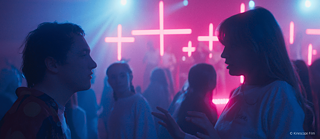
Director: Kilian Armando Friedrich
Writer: Kilian Armando Friedrich, Tünde Sautier, Daniel Kunz
Age Rating: T13
Language: In German with English and Vietnamese subtitles
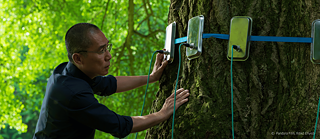
Drama / Ensemble, 2025, 147 minutes
Director: Ildikó Enyedi
Writer: Ildikó Enyedi
Age Rating: T16
Language: In German with English and Vietnamese subtitles
Drama / Political Thriller, 2026, 127 minutes
Director: İlker Çatak
Writer: İlker Çatak, Ayda Meryem Çatak, Enis Köstepen
Age Rating: T16
Language: Original version (Turkish/German) with English and Vietnamese subtitles
How much freedom do we have to choose the lives we lead? What happens when personal desires collide with the expectations of family, community, or society? And how can we listen to, understand, and connect with one another, even when our experiences of life differ profoundly?
These questions run through the eight films presented at KinoFest 2026, the annual German film programme organised by the Goethe-Institut in Vietnam. From historical drama and social narratives to comedy, contemplative cinema, and animated adventure, the programme offers different ways of approaching life, seeking points of connection between individual destinies, historical periods, and seemingly distant worlds.
The right to self-determination, and the price it can demand, come into sharp focus in Markus Schleinzer’s Rose and İlker Çatak’s Yellow Letters. In Rose, the story of a woman living under a male identity in the seventeenth century raises questions about the restrictions society imposes on gender, and the possibility of overcoming them to build a different life. Yellow Letters, meanwhile, follows an artist couple whose family life and professional choices are put to the test by political upheaval. Artistic freedom becomes a matter of survival: defending one’s convictions and individual voice may mean putting livelihoods, safety, and even the closest relationships at risk. With Rose earning Sandra Hüller the Silver Bear for Best Leading Performance and Yellow Letters receiving the Golden Bear for Best Film at the Berlinale 2026, both works invite reflection on the relationship between the individual and power.
Selected for the Panorama section of the Berlinale 2026, Kilian Armando Friedrich’s I Understand Your Displeasure brings questions of choice into everyday working life. The pressures of the cleaning industry blur the boundaries between responsibility, compromise, and the need to make a living. Continuing KinoFest’s interest in care work and education in recent years, the film turns its attention to those who sustain society through work that often goes unseen and unrecognised.
The question of who is heard, and who has the right to speak on behalf of others, forms another important thread in the programme. In Julia Roesler’s Luisa, suspicions that a young woman with a disability living in a residential care facility has been abused unsettle the relationships around her. The film confronts viewers with questions of autonomy, dependence, and the responsibilities of caregivers. In Frauke Lodders’ Gotteskinder, these tensions unfold within the family, as young people’s experiences of love, identity, and self-discovery clash with a strict system of religious beliefs. Through these two films, families and care institutions emerge in all their complexity: they can offer support while also limiting an individual’s capacity to determine their own life.
The search for one’s place in life can also be told through laughter. Adapted from Joachim Meyerhoff’s autobiographical novel, Simon Verhoeven’s Oh, This Unspeakable Void introduces us to the world of a young man navigating drama school and his grandparents’ eccentric way of life. Humour intertwines with loss and familial affection in a coming-of-age story that feels both deeply personal and widely relatable. As part of KinoFest 2026, lead actor Bruno Alexander will join audiences in Hanoi and Ho Chi Minh City for discussions, extending the encounter between the film and its viewers beyond the screen.
Moving from listening to people to attending to the plant world and the other forms of life around us, Ildikó Enyedi’s Silent Friend broadens the programme’s perspective. Connected through a botanical garden, lives unfolding across three historical periods suggest different ways of approaching nature, science, and knowledge. The film invites viewers to slow down, observe, and experience the world beyond habitual, human-centred perspectives. The participation of Tony Leung Chiu-wai and Léa Seydoux also reflects how encounters across borders are helping to shape contemporary German cinema, both in its creative processes and in the stories it tells.
Meanwhile, the animated film The Last Whale Singer takes family audiences on an underwater adventure. Its story of courage, friendship, and the journey towards finding one’s own voice resonates with other works in the programme, while opening up the experience of cinema to viewers of different ages.
Through these eight films, KinoFest 2026 presents German cinema as a space for diverse voices, cultural experiences, and ways of seeing the world. Returning to audiences in Hanoi, Ho Chi Minh City, Hue, Hai Phong, and Da Nang, the programme hopes to create encounters: between viewers and lives different from their own, between the familiar and possibilities they may never have imagined. Through these encounters, questions of familial bonds, dignity, faith, and the desire to be oneself continue to resonate beyond the screen.
Contact
Goethe-Institut Hanoi
Cultural program
56-58-60 Nguyen Thai Hoc, Ba Dinh, Hanoi, Vietnam