Bosadi (2026) by medical doctor turned novelist Kopano Matlwa is her fourth novel and in it she chronicles and centres a story for women, told by women and about the lives of women. The book follows on from her debut award-winning novel Coconut (2007), which was followed by Spilt Milk (2010), and Period Pain published in 2016 and shortlisted for the Sunday Times Fiction Prize.
The story places focus on Naledi Moloi née Sefako (Twinki), an up-and-coming black professional who is married to her university sweetheart Lesedi Moloi, a struggling wannabee businessman and aspiring ‘tenderpreneur’. Bosadi is in essence a narrative about the precarious nature of middle-class black life where dealing with the demanding tentacles of ‘black tax’, lofty aspirations of having regular overseas holidays and latest SUV’s, all of which often comes at great personal, professional and social cost.
It is also Mercy’s (or Aunty as Naledi refers to her) story, of having to leave her home to work as a maid – her friendship with Memory who is also a domestic helper to another family at Mount Grace.
The setting for Bosadi is just prior to and somewhere within the years of the Covid-19 global pandemic with its perplexing conditions for ‘social distancing’, travel bans and bans on any kind of social gatherings.
Other key characters to the story include Rakgadi Moloi, Lesedi’s overbearing mother who makes it her duty to taunt Naledi at every turn for her not having given birth (and later losing a child) when all within the extended family were expecting it to have happened much sooner.
Outside of Matlakala (Naledi’s other name given to her by Lesedi’s mother as per tradition when one marries into a family) and Naledi’s marital problems, other themes include the pressures ‘extended family’ expectations, conflict between tradition/culture and Christian values, GBV, femicide and how women are forced to navigate abusive relationships whilst dealing with gaslighting.
In Bosadi, Matlwa also brings focus to the complexities of marriage, consequences of infidelity and how women are forced to carry the burden of holding families together against the backdrop of a patriarchal, judgemental and unforgiving society.
About the reviewer
Tonderai Chiyindiko
Tonderai Chiyindiko is a voracious reader who is addicted to the intoxicating smell of new books and loves attending book launches (because of the free-flowing wine, cheese and snacks). He lives and works in Johannesburg.
More information
This review is part of the Book of the Month series 2026 from the Goethe-Institut South Africa. A new review by South Africans for South Africans will be published every month, check back regularly.
All books can be borrowed from our library, the membership is free.
Funny, heartfelt and deeply honest, Wesley Roodt’s All the Saints follows Izzy’s journey of self-discovery, belonging and acceptance. Read our review of this moving coming-of-age novel.
a poignant multigenerational novel that follows the Ntoi women as they navigate love, family, identity, faith, and survival in a deeply patriarchal society.
Ayi Kwei Armah is a Ghanaian writer, essayist and poet, well known and loved for his intense writing. He began his writing career with poems and short stories before writing his first novel, “The Beautyful Ones Are Not Yet Born,” published in 1968.
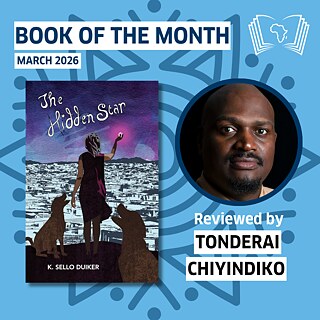
The Hidden Star, enigmatic and little-celebrated South African author K. Sello Duiker’s last published novel existed as a rough and unedited manuscript when he untimely passed away on the 19th of January 1995. He was only 30 years old.
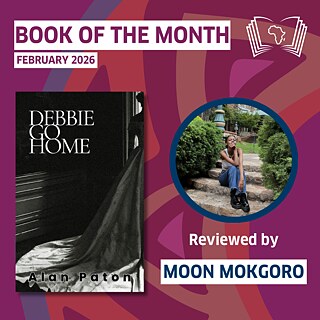
Published in 1961, “Debbie Go Home” is a short-story collection by Alan Paton (1903-1988). Alan Paton was a South African writer and anti-apartheid activist. He believed in a peaceful fight against the injustices of apartheid.
Darlings of Durban by sociologist-turned-author Shafinaaz Hassim follows the story of four women, who affectionately refer to themselves as the “darlings” as they navigate the complexities of family life, strict religious practices, suffocating cultural expectations, complicated relationships, broken marriages, debilitating financial struggles and many other challenges whilst belonging to and living in and among the Indian community of Durban.
Period Pain is an epistolary and intimate novel of a nation in crisis. It tells the story of Masechaba, a young black doctor struggling to survive in an under-resourced South African public health system while grappling with personal trauma, endometriosis, and living in a dysfunctional country.
The Comrade’s Wife by Barbara Boswell is a riveting tale of love, lust, marriage, politics, devotion, deceit, friendship, courage and so much more told though the eyes of our protagonist, Dr. Anita Fredericks.
The AFRO-Freedom Book Club is a public book club that focuses on African writers to inspire dialogue and civic engagement in the community. We strongly believe in the voice of Africans and the importance of telling our own stories. Everyone is invited to join our circle!
Silent Book club is about meeting other like-minded readers, chatting about what other people are reading and then reading together in companionable silence.