Nesa Fröhlich
Head of Information Services Sub-Saharan Africa
Fax: +27 11 442 3738
Nesa.Froehlich@goethe.de

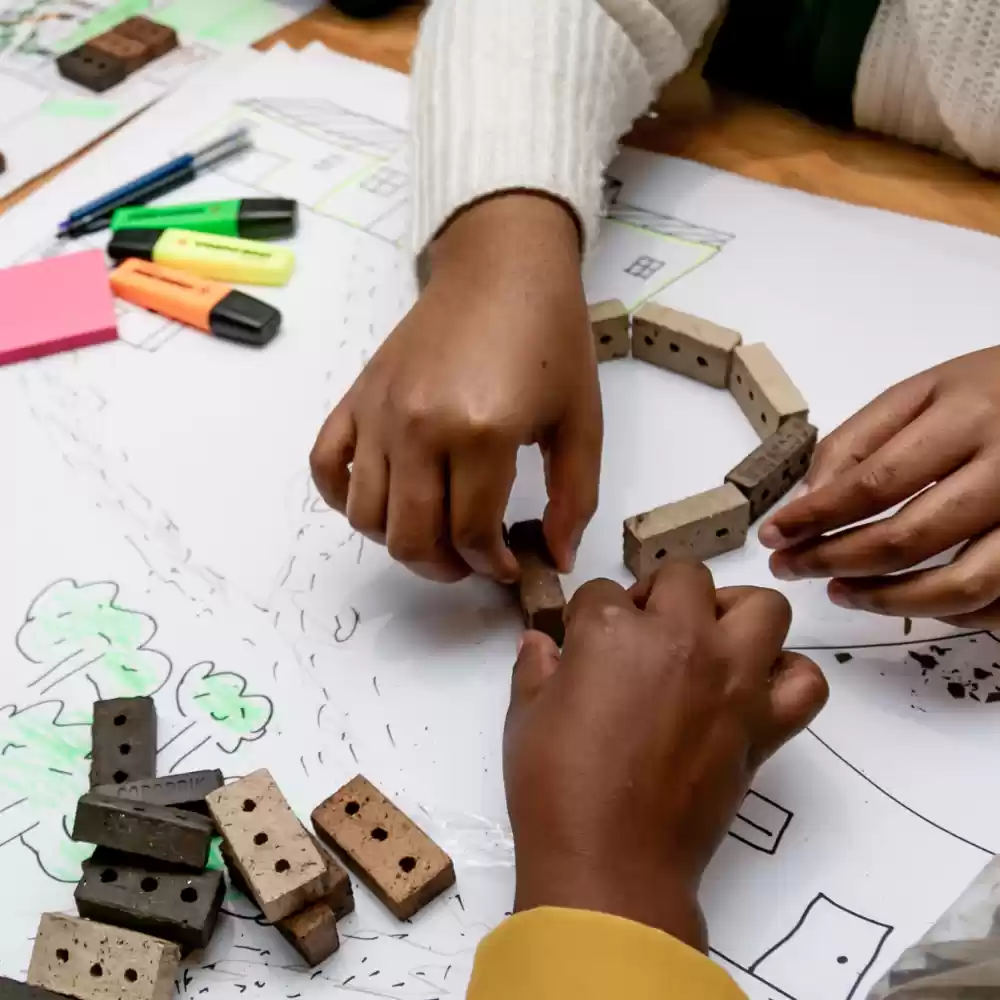
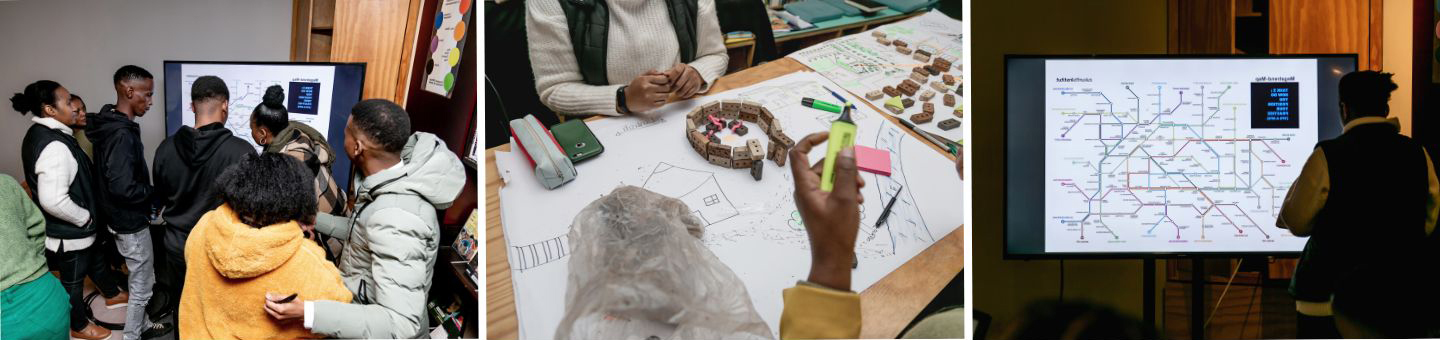
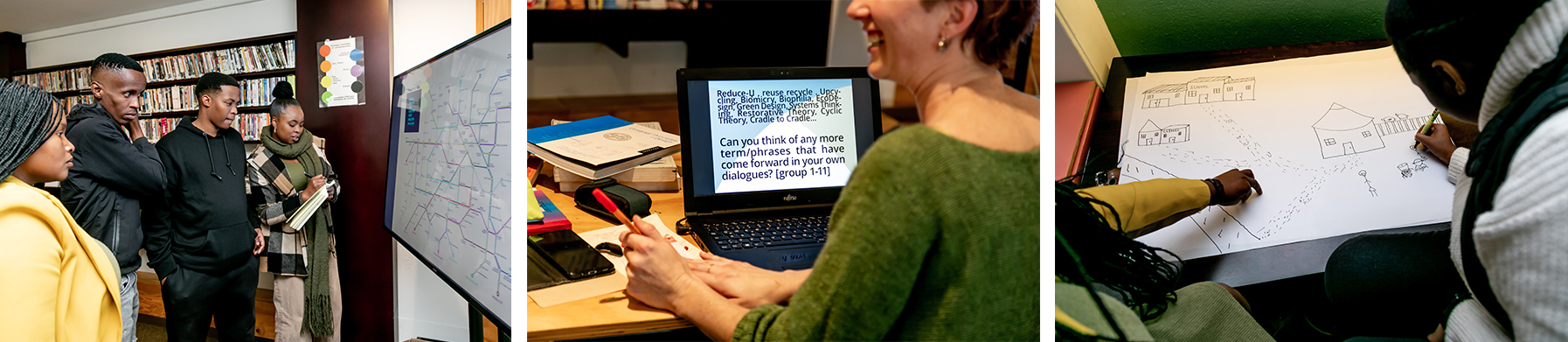
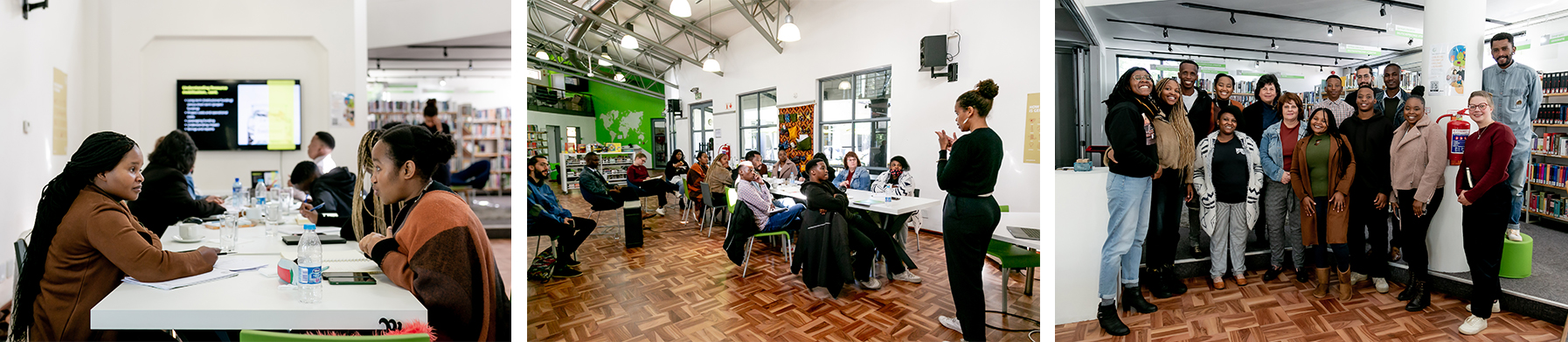
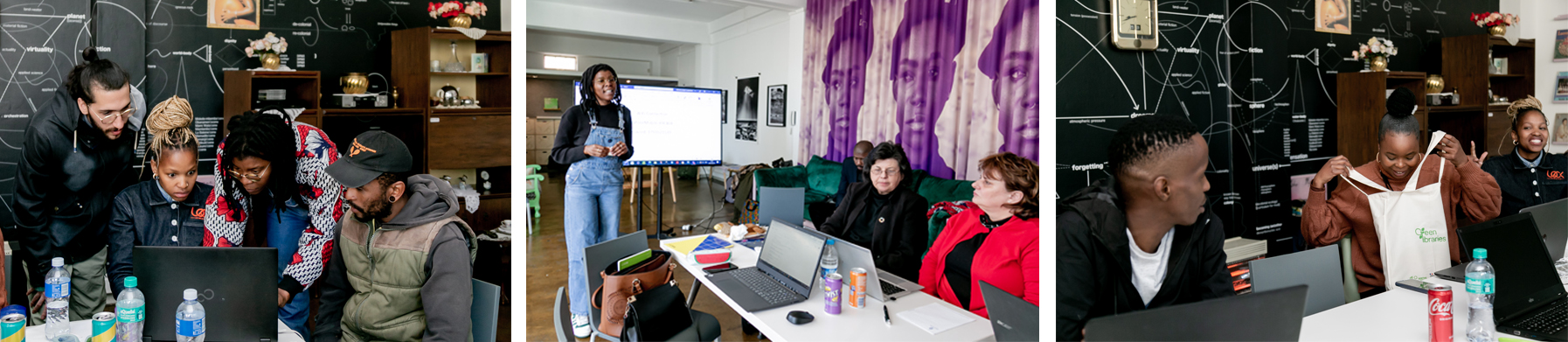
Goethe-Institut South Africa and French Institute of South Africa (IFAS) announced an open call for project proposals on the topic of "Green Libraries” focusing on the 17 Sustainable Development Goals (SDGs). Six winners from different parts of South Africa were chosen for their innovative and practical projects that encourage libraries to become more sustainable and contribute to achieving the SDGs. The programme opened with the Green Libraries Lab, a three-day workshop from Monday, 12 to Wednesday 14 June interrogating what sustainability means in library spaces and what best practice can be shared.
The SDGs are a universal call to action to protect the planet, and ensure that all people enjoy peace and prosperity. There are 17 SDGs, which include no poverty, zero hunger, good health and well-being, quality education, gender equality, clean water and sanitation, affordable and clean energy, decent work and economic growth, industry, innovation and infrastructure, reduced inequalities, sustainable cities and communities, responsible consumption and production, climate action, life below water, life on land, peace, justice and strong institutions, and partnerships for the goals: https://sdgs.un.org/goals
Please have a look at the Green Libraries Map provided by the International Federation of Library Associations and Institutions (IFLA).
We were particularly interested in projects that address one or more of the following areas:
The Green Library Lab was the introduction to the Green Libraries project, where the selected projects were invited to Johannesburg to attend a three-day workshop between Monday, 12 and Wednesday, 14 June. The hybrid programme aimed to shed light on the various aspects involved in understanding, conceptualising and implementing sustainability.
Day 1: Unpacking Sustainability @ Dibuka Library, Monday 12 June
The Green Library Lab kicked off at Dibuka Library, Alliance Francaise. This first day was dedicated to doing a deep dive into what sustainability means, in the context of the SDGs, as well as in that of libraries and other community-oriented public institutions.
Topics addressed featured: sustainable design, sustainability within local infrastructural and spatial constraints, as well as international perspectives on the matter.


Libraries contribute significantly to civil society development, address real challenges, promote community engagement and access to information and knowledge. Libraries provide a powerful infrastructure for launching and sustaining local initiatives. Curiosity, creativity, collaboration, optimism and problem-solving skills are actively encouraged.
Libraries are highly relevant throughout the country, both in major cities but especially in the more remote rural areas. In less affluent areas, libraries are often the only reliable source of information, education and exchange. They are important places where the cultural heritage of communities is preserved and celebrated.
The Goethe-Institut Johannesburg and the Institut Français d'Afrique du Sud (IFAS) are hosting Green Libraries, a multi-part, hybrid format in South Africa to promote sustainable, local library initiatives. Green Libraries is aimed at libraries who want to explore what 'sustainability' might mean to them and how they can develop strategies and tools to promote sustainability in their work and organization, and in their contact with and impact on communities.
The programme will be accompanied by workshops, panel discussions and lectures that address the Sustainable Development Goals, project management, green libraries and promote capacity building. The events will be mentored by German, French and (South) African experts.
Participation in Green Libraries is open to the public. Up to 5 libraries will be invited to the Green Library Lab. Within 3 days, innovative and sustainable projects are to be developed that have a practical application and promote positive change for libraries and their communities. The libraries will receive financial support for the implementation of the projects. The results will be shared with the public in a final presentation.
The Franco-German Cultural Fund was set up in 2003 to mark the 40th anniversary of the Élysée Treaty of friendship between France and West Germany.
The fund promotes Franco-German cooperation by providing support for cultural and artistic projects in third countries. The German Foreign Office administers the fund in concert with the Goethe-Institut and Institut français.

Head of Information Services Sub-Saharan Africa
Public Relations Officer


