Sustainability
Berlin
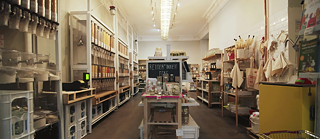
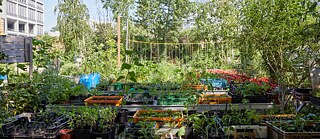
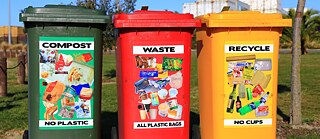
Through the homestay storyline, students will engage in explorations of food-packaging waste, urban gardening and sustainable land development, and waste disposal. During each of the three explorations, students will evaluate the science behind solutions to the problems associated with human impacts on the environment and apply scientific problem solving to design methods for minimizing human impact in their own community.

How can individual actions, industry actions, and government actions increase sustainability?
Unit overview
Using the framework of a homestay in Berlin, students will explore how residents of Berlin are meeting sustainability goals for land management, air quality, and climate neutrality through small changes in consumer habits and urban planning. Through the homestay storyline, students will engage in explorations of food-packaging waste, urban gardening and sustainable land development, and waste disposal. During each of the three explorations, students will evaluate the science behind solutions to the problems associated with human impacts on the environment and apply scientific problem solving to design methods for minimizing human impact in their own community.
“Sustainability means only cutting down as much timber as can grow again. It means, living from the yield and not from the substance. In terms of society it means each generation must resolve the challenges facing it rather than passing them on to the generations to come” (Federal Government, n.d.).
“Sustainability means only cutting down as much timber as can grow again. It means, living from the yield and not from the substance. In terms of society it means each generation must resolve the challenges facing it rather than passing them on to the generations to come” (Federal Government, n.d.).