Resilient democracy: protection programs and exile networks in Germany
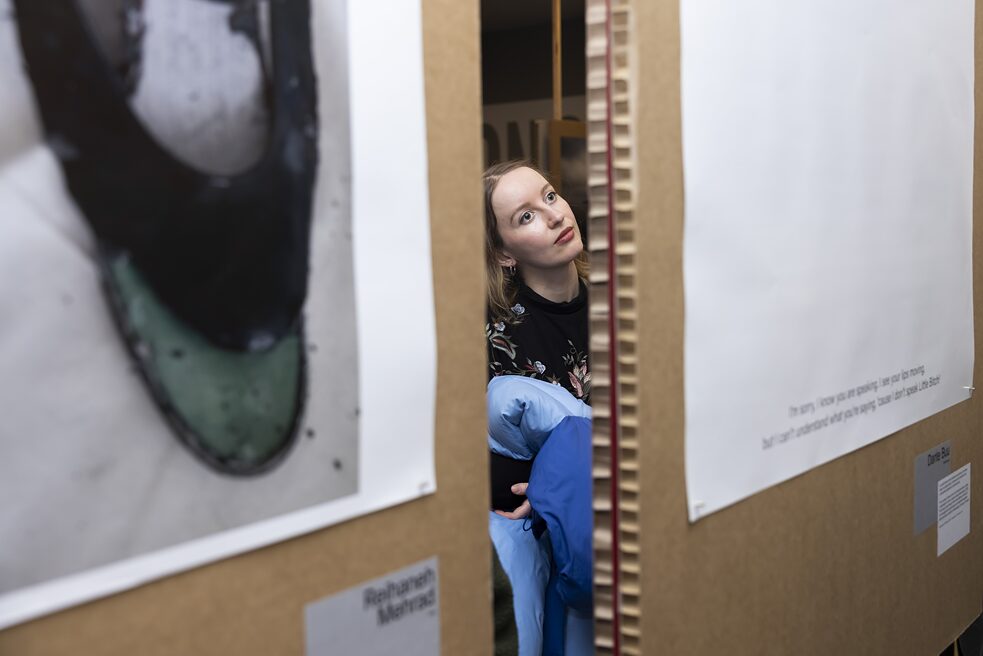
In the 21st century, Germany has become a country of exile. Protection programs like the Martin Roth Initiative and platforms such as Goethe-Institut in Exile make an important contribution to this development, which is also about the resilience of democracy.
By Per Brandt
During the Third Reich, hundreds of thousands of Germans were driven into exile - among them leading figures such as Bertolt Brecht, Hannah Arendt and Thomas Mann, who continue to shape German cultural history to this day. Without the experience of exile - not least in the United States of America - the continued existence of this “other Germany” and the rebuilding of democracy after 1945 would be inconceivable. Places like the Thomas Mann House in Los Angeles still bear witness to this today.
Berlin has become one of the capitals of exile. Where else can you meet so many critical journalists from Turkey, committed artists from Syria or courageous opposition activists from Russia? It is an irony of history that the former capital of the Third Reich, of all places, has become one of the most important hubs for liberal forces from all over the world. Even in times of increasingly restrictive migration policies, Germany remains an important country of exile for pro-democratic “agents of change”.
Germany’s protection programs
Over the last ten years, a number of protection programs for people at risk have been created with the support of the Federal Foreign Office, in particular the Philipp Schwartz Initiative for academics, the Hilde Domin Program for students, the Elisabeth Selbert Initiative for human rights defenders, the Hannah Arendt Initiative for media professionals and the Martin Roth Initiative for artists and cultural workers. Such a wide-ranging commitment is unique in the world.
The Martin Roth Initiative alone has so far supported over 600 people from over 40 countries with over 100 host organizations. It is a joint program of the ifa - Institut für Auslandsbeziehungen and the Goethe-Institut, which was founded in 2018 in response to the global decline in pre-political freedoms. The initiative aims to offer protection to artists and cultural workers whose work is restricted by state or non-state actors and to enable them to continue their work. Unfortunately, this also includes many of the Goethe-Institut's partners abroad.
Goethe-Institut in Exile
A related project is the Goethe-Institut in Exile in Berlin, where refugee, exiled and migrant artists find a place to arrive and continue their work. It is a meeting place, discourse space and stage for endangered cultural practitioners from countries in which the Goethe-Institut had to close its locations due to war and censorship. The program provides insights into stories of escape and borders as well as new beginnings and artistic diversity. It is an invitation to promote and connect the lively cultural scene in the diaspora.
The Goethe-Institut in Exile dedicates its programs to specific countries; in the past, it has focused on Ukraine, Belarus and Afghanistan, among others. In addition, it organizes events or activities related to current situations on the topic of art and culture in exile.
More important than ever: defending democracy
Many of the cultural practitioners who have come to Germany with the help of the Martin Roth Initiative or who are part of the Goethe-Institut in exile have a particularly clear view of illiberal tendencies, which also exist in democracies such as Germany, due to their own experiences in authoritarian societies. They enrich social debates on controversial current topics such as nationalism, populism, homeland, migration and the limits of freedom of art and opinion. Exile communities strengthen their host countries by acting as early warning systems and facilitating an international exchange of experiences.
The so-called free world has become more precarious; the European Union, and therefore also Germany, is becoming increasingly important in securing a rules-based order and fundamental democratic values. It is up to us to defend our achievements and maintain alliances. This includes good relations with other democracies, but also the protection of democratic actors from illiberal contexts. This is why programs like the Martin Roth Initiative and the Goethe-Institut in Exile are perhaps more important today than ever before.