Abhijit Patil
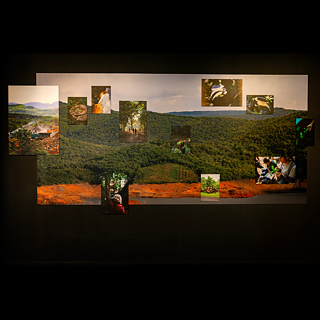
Abhijit Patil is a photographer, farmer who lives in Muradpur, Ratnagiri, India. His work revolves around food, labour, gender and their intersection with climate crisis. He is a practising permaculturist in the Western Ghats trying to learn, conserve and document resilient cultivation methods and wildlife from the context of seeds. As a photojournalist he has worked with the likes of India Today, Times of India Group, Sakal Group, AFP, AJ+. He is visiting faculty for photography at Savitribai Phule Pune University and Devrukh college of Art and Design. He is the curator of the project "Seed Stories".

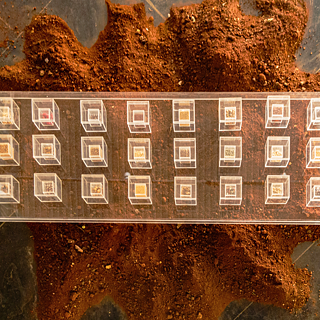
One of my first memories of seeds, is swimming in heaps of corn with my cousins and later sleeping on gunny bags filled with them during the harvest season. I come from Sangli, a district in Western Maharashtra, a region where the 'green revolution' or industrial farming reached a decade before I was born. Sugarcane, corn, soyabean and the other usual suspects now dominate the landscape of Sangli and the adjoining districts of Kolhapur and Satara. What came with a promise of upliftment and abundance for all, slowly but steadily sowed the seeds of dependence, debt and degradation. Deforestation and monocropping swept through the area to cater industrialisation. Monocropping in our fields is not just a bitter reminder of our colonial past, but a stark evidence of its flourishing existence. In the past century there has been an unbelievable drop of nearly 90% in the diversity of seed stock used for cultivation and 50% drop in overall plant diversity. In India it has disproportionately affected the Dalits, Adivasis, Kunbis or the communities of cultivators. For such groups, this loss in diversity in farms and forest also meant a huge loss of independence and most importantly nutrition and health. With very little imagery of diversity of indigenous seeds in the public discourse, it's extremely important to fill this gap. Seed Stories Project is a small step towards that reclamation.