|
10:00 AM-5:30 PM
Elemental Imprints: Bio Design Lab South Asia
Bio-Design-Lab|A project initiated by Goethe-Institut South Asia in collaboration with the Bio Design Lab of the Hochschule für Gestaltung Karlsruhe (HfG).
-
Echostream, Gangtok, Sikkim


Bio design recognizes life as an interconnected web and encourages design practices that work with ecological systems rather than exploiting them. By viewing materials as part of living, dynamic systems, the project promotes creative approaches that value symbiotic relationships between nature, technology, and culture, aiming to support balanced and respectful coexistence with the environment.
Elemental Imprints: Bio Design Lab South Asia responds to environmental, economic, and social challenges by exploring sustainable, non‑extractive uses of locally available resources. Through collaboration between designers, scientists, craftspeople, engineers, architects, and humanities scholars, the project develops context‑specific solutions grounded in regional cultures and ecosystems, while drawing on global perspectives. Its goals include transforming overlooked materials, strengthening networks between South Asian and international experts, encouraging innovative design methods, and establishing a Resource Center featuring a public material library, prototypes, and publications.
Across a series of bio design labs in Sri Lanka, India, and Bangladesh, designers, artists, scientists, craftspeople, and students investigate materials such as bamboo, cotton, cane, seaweed, jute, mycelium, loofah, water hyacinth and more, abundant resources with strong potential for ecological and circular design.
Each lab blends scientific inquiry with artistic experimentation. Field research, stakeholder engagement, and hands‑on material testing shape collaborative design processes. Participants study the ecological, cultural, and economic dimensions of these materials while developing new material systems, prototypes, and design concepts. A defining feature of the project is the pairing of local and international expertise, with each lab co-led by a regional specialist and an international researcher or designer.
Goethe-Institut Kolkata along with Strengthening Networks Amongst Artists in Northeast (SNANE) as project mediators, Echostream from Gangtok, Sikkim as project partner, and Sonam Tashi Gyaltsen as project mentor and Sarmīte Poļakova as the participating international expert is working with three artists, Pema Chomu Bhutia, Chingrimi Shimray, and Lalringhetti Sangsiama. Together, they will explore how locally available biological resources can inspire new approaches to sustainable design.
The first lab will take place in Gangtok, Sikkim, from 2 April to 11 April 2026, where the participating artists will work with their collaborating artisans and experts under the guidance of Sarmite Polakova (Germany) Sonam Tashi Gyaltsen (India).
Project Partner
Echostream is a resource-based vision to help the local community benefit with the help of design solutions and tackle issues at the same time. It started by making a study of the interest of tourists. Echostream has worked with 20 sectors so far in Sikkim. Collaborations so far have been with students, entrepreneurs, designers, markets, communities, government institutions, and environmental stakeholders. Echostream focuses on local issues. Entire journey consists of 100+ designers working in cohesion under Echostream. It is open to collaborations with other states because nobody understands a place better than the local people.Project Mediators
Strengthening Networks Amongst Artists in Northeast (SNANE) is a collective attempt to create a networking platform for artists from the different states constituting India’s North East region.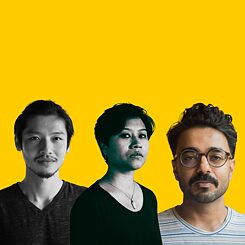
SNANE aims to readdress and reclaim narratives of pluralities and intersectionalities that exist within the region, that are overlooked or simplified in mainstream representations. SNANE focuses on being a network that looks towards finding sustainable means for artistic practices, and platforms that can function within the region to form an incubatory ecosystem. By actively engaging with the artists from the region, SNANE hopes to ensure foundational support in how the contemporary art scene thrives and sustains itself over the years.
Project Mentors
-
Sonam Tashi Gyaltsen
Sonam Tashi Gyaltsen is an Industrial Design graduate from the National Institute of Design, Ahmedabad. He is Co-founder of a multidisciplinary design studio called Echostream and a sustainable social enterprise called La. The studio focuses on community-driven design solutions. He is a recipient of the Naturenomics Award 2021.
-
Sarmīte Poļakova
Guest Mentor
Sarmīte Poļakova is a materials designer and researcher whose work focuses on transforming industry waste and various by-products into new closed-loop concepts. Material and product lifecycles take a central role within the designer’s work resulting in unique concepts that emphasize circularity over plain longevity. Her practice consists of hands-on experimental research with the manipulation of existing designing and production methods. This playful approach leads to surprising findings that also question our existing ways of producing, consuming and discarding.


Participating Artists
-
Pema C. Bhutia is an architect, researcher and a passionate community builder from Gangtok, Sikkim. With a Bachelor's in Architecture and a post-grad Urban fellowship from IIHS Bengaluru, she has worked across urban design, policy research, and civic engagement. She has co-led participatory design projects, exhibitions and campaigns, working at the intersection of governance, sustainable urbanism and youth leadership. As part of the Executive team at the Sikkim Development Foundation, she is driving the revival of one of Sikkim's oldest NGOs. She is also currently a fellow at the Future Ready Leaders Fellowship with the Roots to Branches Foundation. Beyond her development practice, she is a co-founder at Kuna Design studio, where she leads a small team of architects and designers. Through these diverse practices she intends to build on her work towards understanding Urbanism in the Himalayas and developing context specific solutions for more resilient mountain cities.
-
Chingrimi Shimray is a Textile Designer and Co-Founder of Ishi, a tri-annual magazine to discuss, share and argue. She has a Bachelor’s degree in Textile Design from National Institute of Design, Ahmedabad. As a native of Tangkhul herself, Shimray is currently engaged in textile research on Tangkhul community’s textiles for which she is working closely with Tangkhul Women Organisation. In association with one of her friends Chingrimi has opened an instagram account called Project Kharak. Through Project Kharak they are issuing a magazine called Ishi. As a photography enthusiast, Shimray has come up with photo essays. Through Ishi, Chingrimi and her team have tried to provide a safe place for “Ishi” meaning “Us”. The intention of the magazine is to tell the stories through the perspective of indigenous communities which have long been marginalized.
-
Lalrin is an Advocate and Founder working at the intersection of law, culture, and technology. Her work explores how innovation can strengthen justice, dignity, and economic resilience, especially within small communities and emerging economies. Through her ongoing ventures, Lalrin is developing practical models that connect constitutional values with modern innovation, projects such as Treaxures, which uses augmented reality to bring cultural heritage and storytelling to life, as well as other initiatives in healthcare access, rural mobility, and digital rights.